





 Interview with GAWP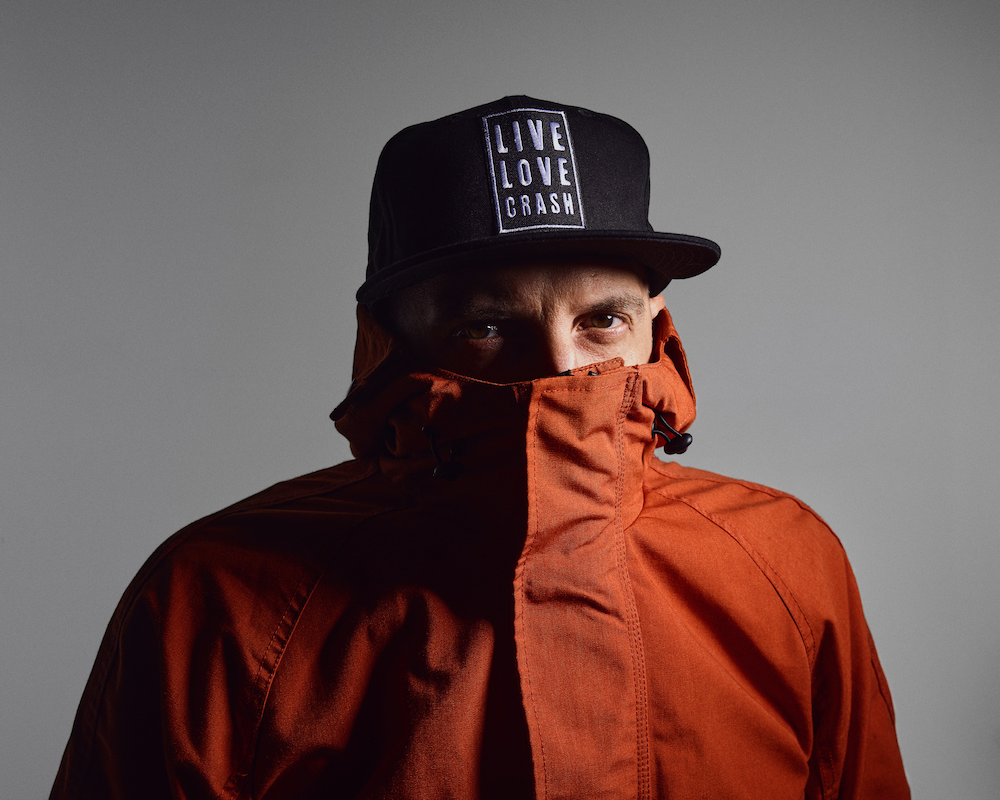
“Success comes from the small towns”
Words By Cameron Whittaker
We sat down with Leeds-based producer and DJ ‘GAWP’ to talk about dedicating his life to music, his role in efforts to keep the nightlife scene alive, and his advice to up-and-coming artists.
Photo Credit – Magdalena via CelebMix
Cameron Whittaker: Thank you for taking the time to speak with me. Firstly, I wanted to ask you a little bit about your childhood – Nothing that deep! What was your earliest memory of music having an impact on you?
GAWP: Well I was influenced by my parents because they were massive music lovers. Growing up, there were different generations of music changes and they’ve been through the 60s to the 90s: I kind of love it all. I was just influenced by mixes I used to tape off of Radio 1 and stuff like that, early house stuff. I was on everything from Bob Marley, to White Snake, everything. Even though I would say my dad has gone into some very questionable music now!
CW: Do you know my dad’s done the complete opposite, he met my mum in the 90s, he was part of the scene going to illegal raves and now he just listens to rock and metal. I said Dad, you had a midlife crisis. He said no, I’ve always listened to rock music; but I know there’s a raver deep down inside him.
GAWP: Yeah that’s where it’s starting really. I went to Ibiza in ‘98, when I was 16. There were four of us and it was like the Inbetweeners holiday! Back then the clubs were absolutely mad, it was very different. That’s when I realised I wanted to be a DJ – that’s what I want to do.
CW: So what do you consider yourself as now? Are you an artist, musician, DJ…
GAWP: I’ve had to do everything. I started out promoting; I promoted parties for ten years; I’ve curated line ups: I’ve done it all really.
CW: Where were those parties?
GAWP: Leeds, Whitby, Scarborough, all over the East Coast. I did it because it was really hard to get gigs; the other guys wouldn’t let me on because I was the young kid. So I waited until the moment was right, and lots of the other DJs stepped up and went on to bigger things. So I ran events and solidified a lot of my relationships with artists still going to this day. Then I went on to make my own music. I was in a duo called The Squatters before I started doing my own stuff as GAWP and my current projects.
CW: In regard to the general creative process, how do your early ideas formulate?
GAWP: I get influence from noise and sounds. If a sound excites me, I strive to make a sound that makes people go, “How did you make that?” I want to make a song that is just like, “What is that?” Pritchard from Dirty Sanchez once said to me [in Ibiza], “Your music is absolutely mental, the sounds are mental.” I also thought I’d add that I help a lot of other people with their music. I do a lot of mixing and mastering, and that’s where I make my money now.
CW: Is that satisfying?
GAWP: Yeah, it’s a lot easier because it’s a logical process rather than a creative one. I think to myself, I don’t have to create a hit to pay my bills; I’m providing a service and working with some hired artists. It’s easier because the pressure is off when the records don’t have to do well; they just have to sound good.
CW: Are you working with all types of musicians?
GAWP: A lot of electronic music.
CW: Where’s your studio?
GAWP: I’m Leeds based. On top of the studio, I’m actually on the West Yorkshire Music Network Group; we have meetings about what we can do to help the [music] industry. We’re based in Crown House. We’re currently working on doing more music network events, getting the Leeds Night-time Economy group involved. That’s where the studios are; we run academies such as Academy 94. We can do everything, teaching people how to DJ, social media, your own marketing, your own management, we can help with mastering. We realised in this building there are so many people who are in our fields that can help other artists.
CW: What would you say to any aspiring artists on the fence about putting themselves out there?
GAWP: I think you’ve got to think about the dedication; I’ve dedicated my life to music, to being an artist, and going through the mill of life with all its struggles, you know? If you rewind to 2011, when I was DJing in South Korea, a girl said to me, “Will you teach me how to DJ?” I said “I’m really sorry but I don’t have time, I’m too busy making my own music.” Anyway, fast forward, and it was Peggy Gou, and now look at her. I think one thing that I’ve always said is be cool with everyone, be humble because you just never know who’s going to be the next big thing. One of my friends went on to run Printworks, and I didn’t know; It’s such a small world within this big world, you know?
CW: I know the West Yorkshire mayor has spoken about wanting to protect the music industry and protect the space; have they actually done anything to help independents?
GAWP: So we have meetings, currently we’re on a twelve month project about trying to help with everything. From the grassroots venues, to the artists, to how we can make a change with West Yorkshire Music Network: as well as trying to get more people on board. Say people like yourself for example – who may not have an office space – we’re working on a creative hub where everyone can come in from the agents, to the managers, to the acts, and so on. That’s the kind of stuff we’re working on in the background. Coming from the artist/grassroots side, I know things like this were never in place back in the day.
CW: That’s really interesting. I definitely feel like Leeds is the next up-and-coming place.
GAWP: Yeah, definitely. I feel like there’s a massive gap between businesses, working studios, and people leaving college. For the people doing their degrees in music, production or mastering, where do they go from there? Can independent studios – you know – engineers or companies, can they afford to give up the time and resources to train them? There is stuff out there, but yeah, there is definitely a lilypad in between where we’re trying to bridge the gap.
CW: Just to bring it back to your own music again. Obviously, you’ve been doing this for a long time now. Once you’ve got an idea, do you smash the whole thing out in a few hours? Or are you the kind of person who agonises for weeks over which hi-hat to use?
GAWP: It depends, really. If it’s for a client, you’re going to get out and get it done in a day; I’ve got a job to do and an end goal, and I get it done. But obviously, the more I mess around with a track and the more I experiment with it, the more off track it can get and the longer it can take. I can write ten tracks, and two might be great, and the rest might be just fine, but everyone has a different process, I think. I regularly tell people that I have always had more determination than I have talent. I learnt that talent and determination are what got me through it all. You find a lot of people who are talented, but take it for granted. I’ve got friends that skateboard, I’ve got friends that are DMX level champions, and they just don’t want to do it anymore, [as they’ve got older] because it comes naturally to them, so there’s no journey: there’s no hills left for them to climb.
CW: Just from what you’re saying now, I wanted to ask you about your background. What was it like for you growing up?
GAWP: I didn’t do without, but when I was like ten, I got taken out of school for a year, and we went around Europe and Africa in a campervan, travelling. When I got back to school after it was so alien, I didn’t want to fit in, and I just wanted to make music. After, there was no further education at the time [leaving school], so they said to me you’ve got to pick something and I chose to do hairdressing for six years: I hated it! But I figured out if I had scissors in my hand, I could earn money anywhere, so that was my thinking at the time.
CW: So, you weren’t wanting for anything, but you didn’t have anything handed to you?
GAWP: I had to work all through the holidays at school because I was still at school when I started making music. At fifteen, I was washing hair on Saturdays. I saved up money for a Technics, and then my dad actually paid for the other one so I could mix. I got them from carboot sales, and then I paid him back, like £20 a week from then on.
CW: I guess what I’m getting at is this – would it be fair to say that when you don’t have things handed to you, you work harder?
GAWP: So I was touring with Oliver Heldens in 2019; we were talking, and that’s when we said that a lot of big artists’ success comes from the small towns, because you have to work harder. When you’re in the city, you’re spoiled. I’m from Scarborough, and if you draw a thirty-mile radius circle around it, half of it is sea! There’s no captive audience from the east. Whereas if you’re in Leeds, for example, you’ve got towns all around it where people can travel from, like York and Castleford. So if you put an event on, you’ve instantly got a way bigger radius.
CW: You just made me think of Charlie XCX. She’s one of the biggest pop stars in the world right now, and she’s from Bishops Stortford! Final question, if you haven’t got the money and you’ve just started getting into electronic music production/DJing what do you do?
GAWP: Get a job! Get a side hustle going, I’ve always said that; I’ve always done it myself and then that’s injected into your music. Suddenly, you can afford a videographer on your gig, or you can afford to get extras; if you’re a starving artist, it’s just like – you can’t have any of that.