






 The Molotovs interview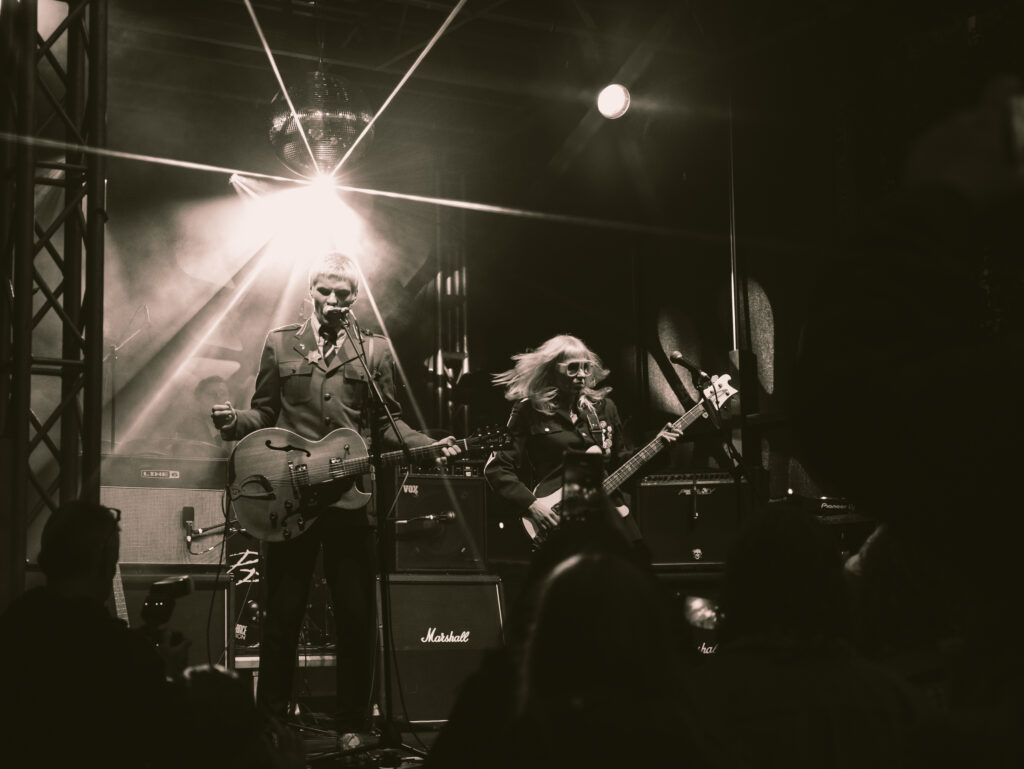
Meet The Molotovs: London’s Unruly New Torchbearers of Rock ’n’ Roll
Words by Chiara Rosati
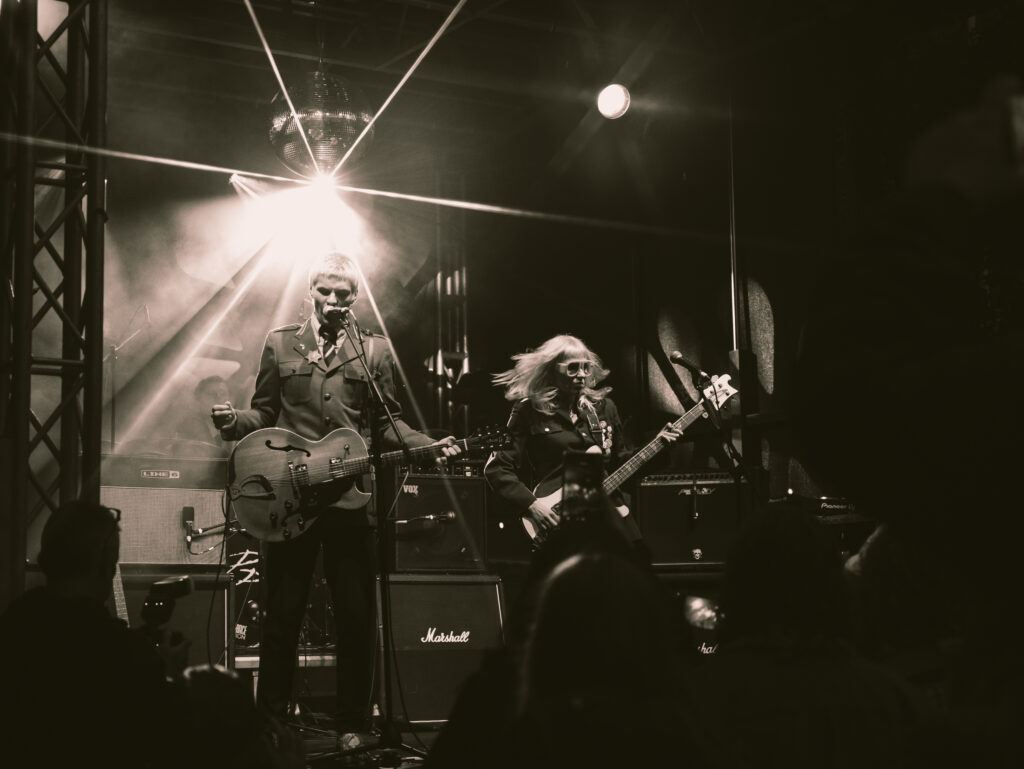
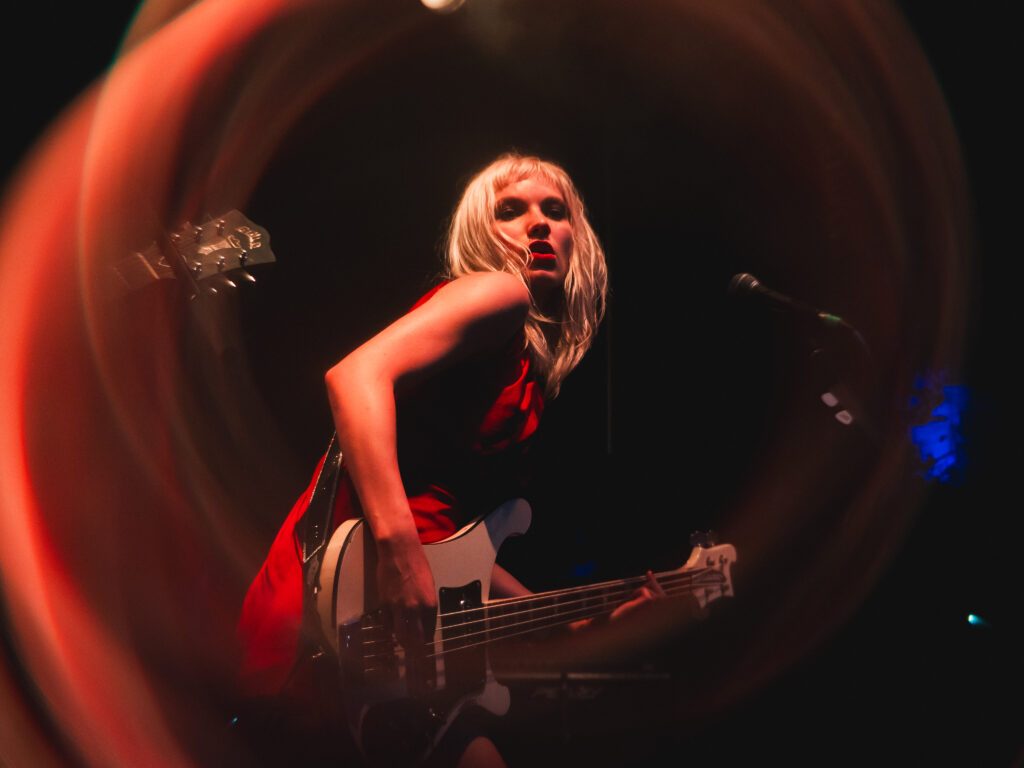
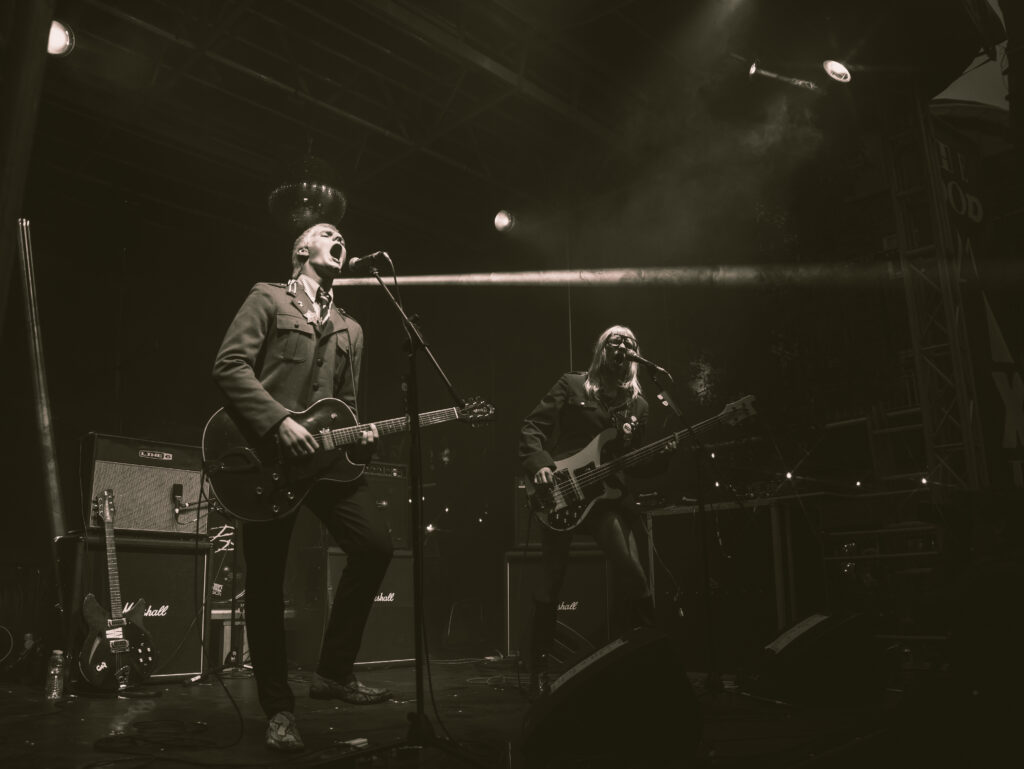
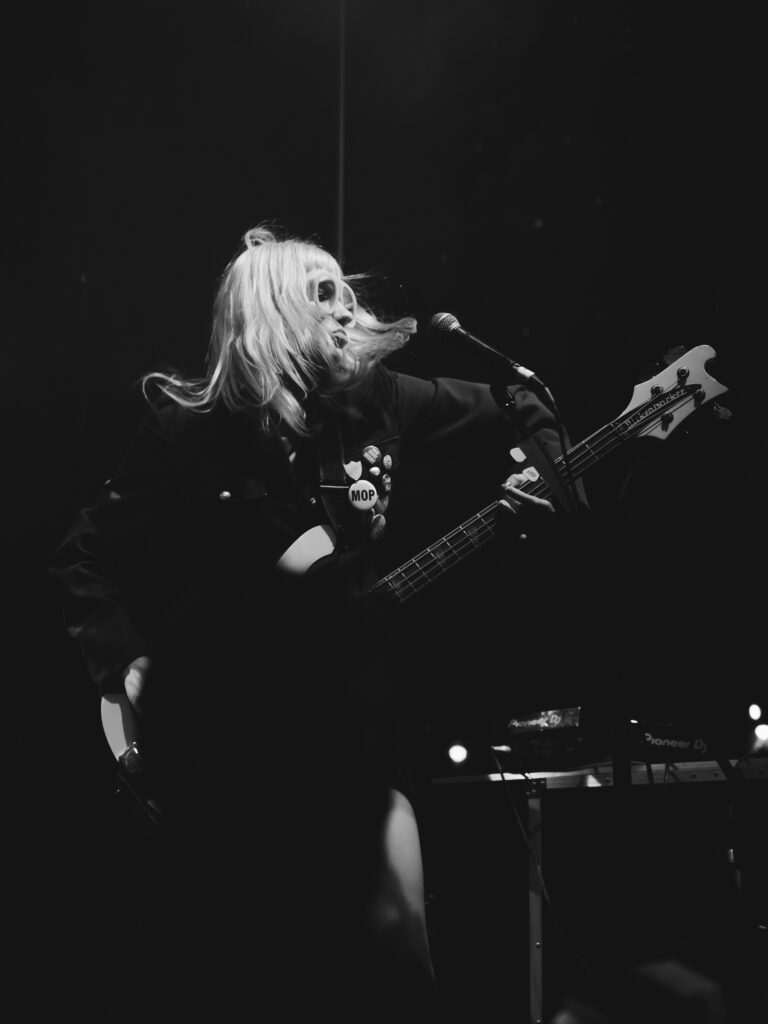
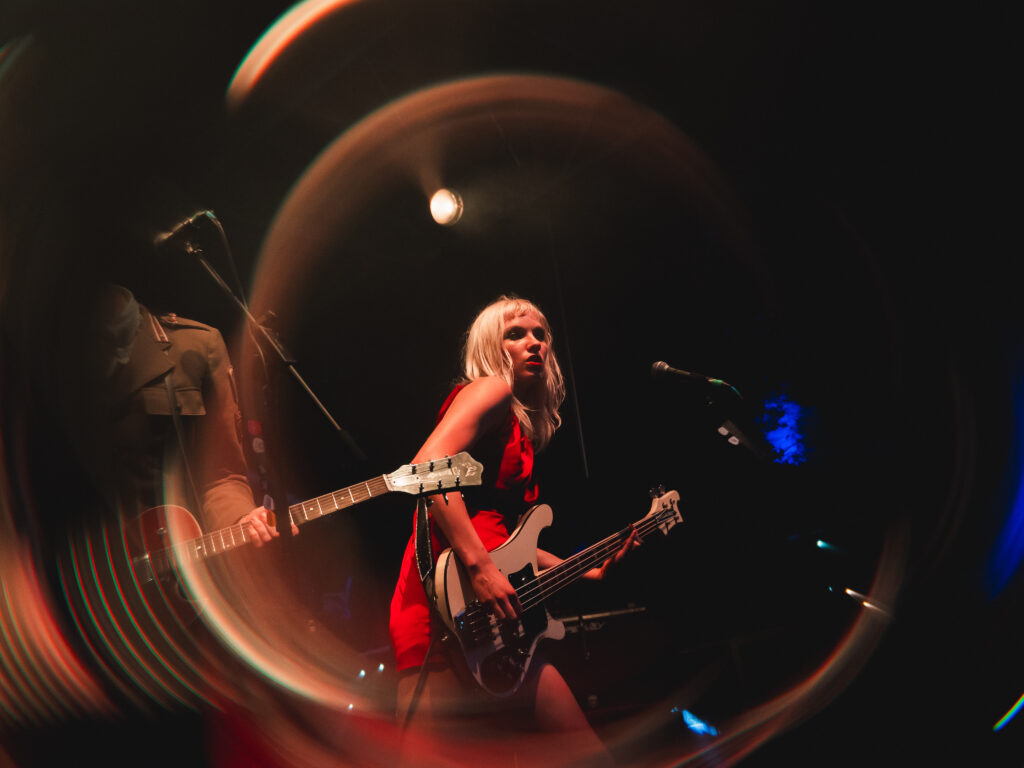
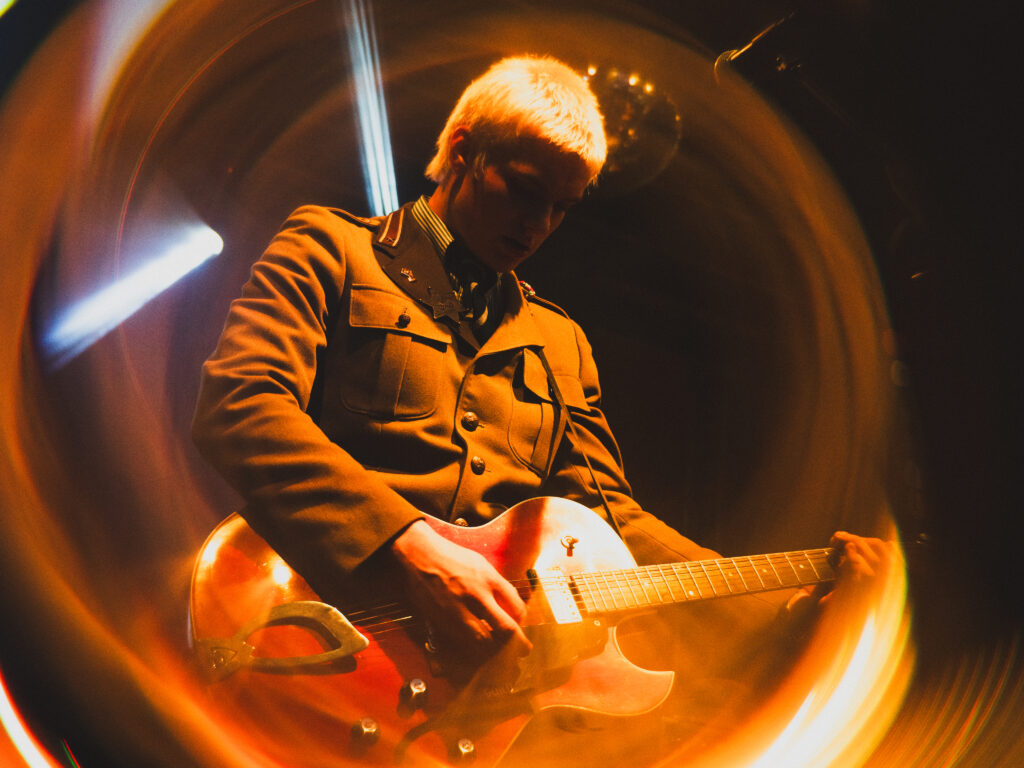
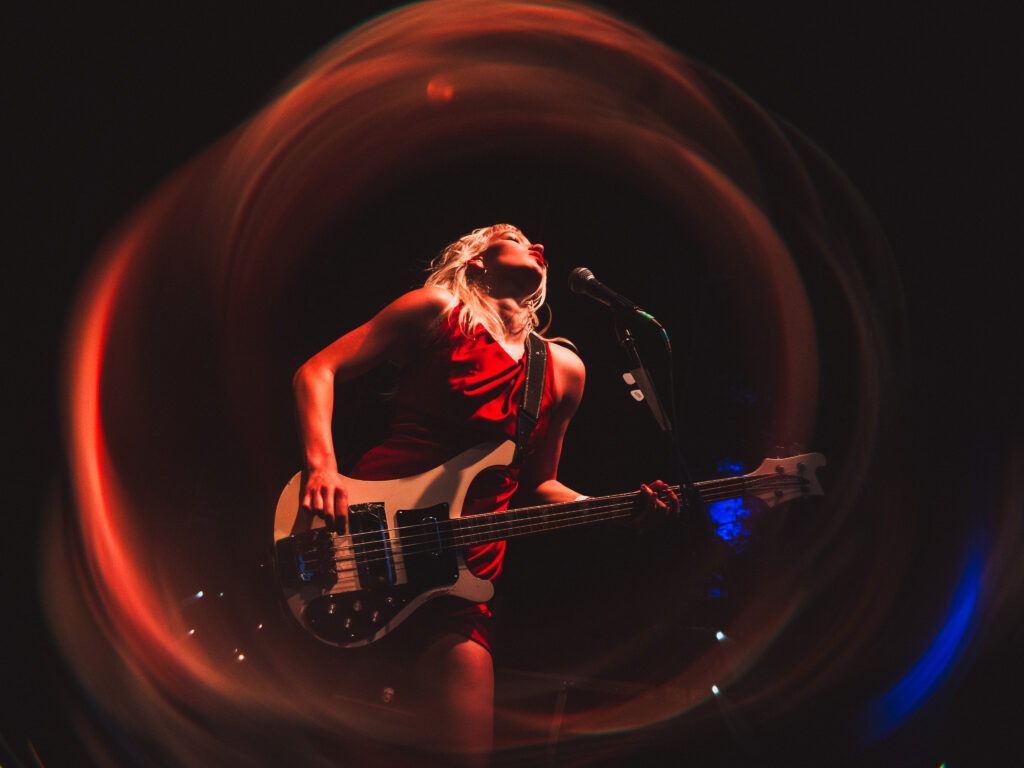
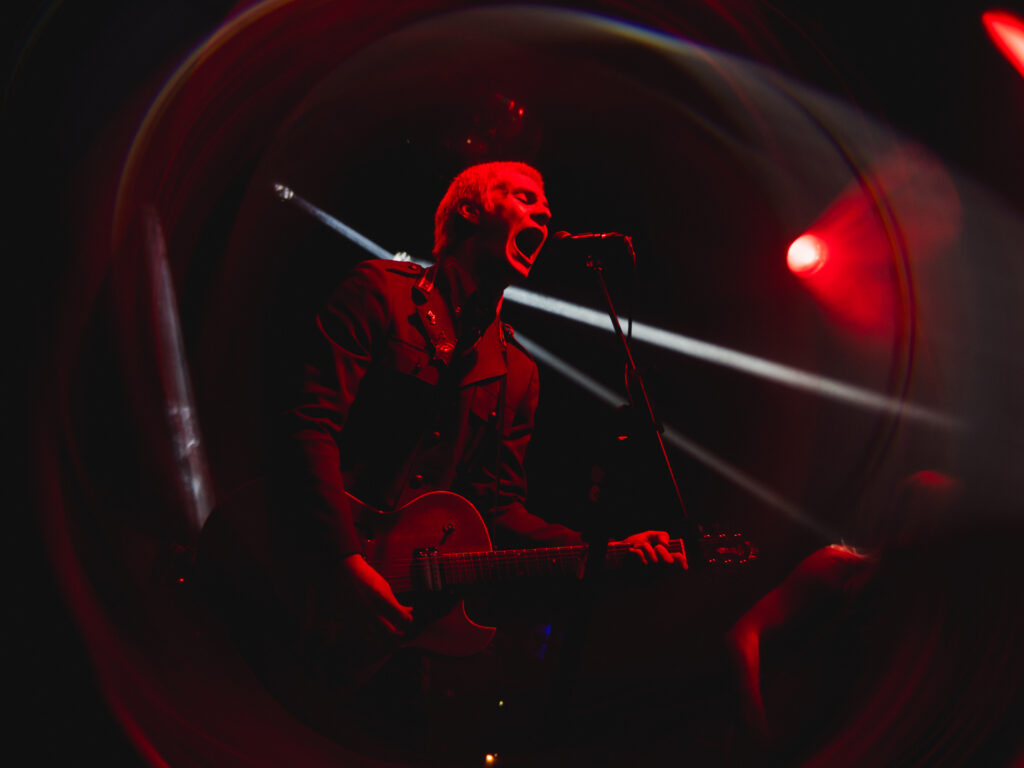
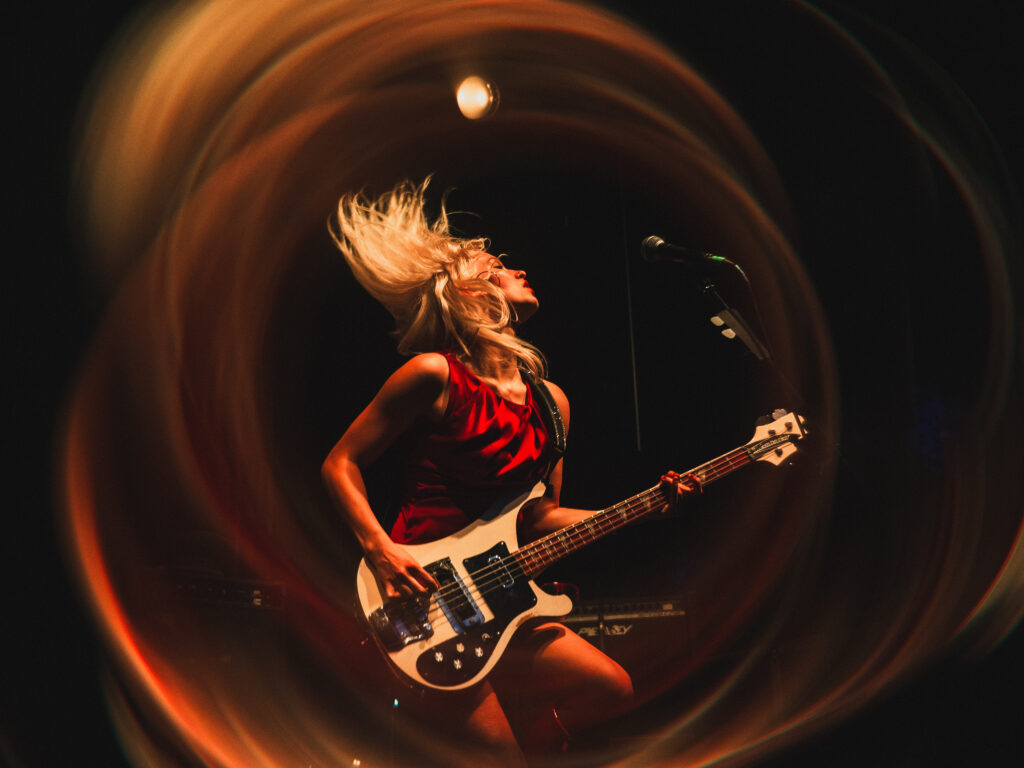
The Molotovs are not just a band—they’re a cultural rallying cry. Fronted by siblings Mathew (lead vocals and guitar) and Issey Cartlidge (bass and backing vocals), this incendiary London-based rock duo has already established itself as one of the most electrifying live acts in the UK’s new musical landscape. Formed during lockdown, The Molotovs have played over 500 gigs in just five years, building a reputation for uncontainable energy. This unrelenting work ethic also earned them the honour of supporting both The Libertines and The Sex Pistols—a punk-legacy seal of approval that feels both inevitable and surreal. Recently signed to Marshall Records, The Molotovs’ natural chemistry and kinetic charisma channel the spirit of punk rock with the urgency of now. From sharp mod silhouettes to fiery, full-throttle stage personas, The Molotovs fuse fashion, music, and fury in equal measure. They’ve sparked a new musical movement, reinvigorating London’s gigging ecosystem with a brand of curated chaos that feels both old-school and cutting-edge.
They are currently on a US tour that will include support acts for The Elms, The Damned, and the one and only Iggy Pop. In a generation obsessed with fleeting virality, The Molotovs have pulled off the impossible: selling out tours and filling 800-cap venues without a single song online until this year, with the successful release of their first two songs, “More More More” and “Today’s Gonna Be Our Day”. Their upcoming debut album, “Wasted On Youth“, is now available for preorder—and if their rise so far is anything to go by, it’s going to hit like a match to gasoline. I met Matt and Issey in Soho for a long chat, here’s our exclusive interview!
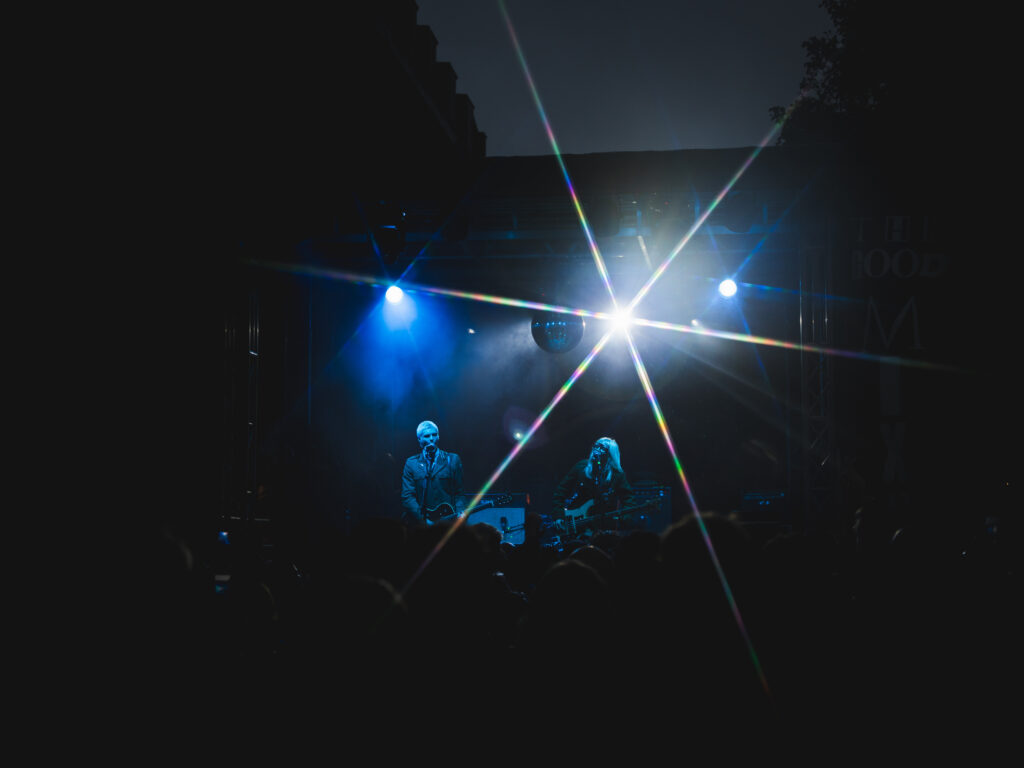
Photos by Wiktoria Wolny
When did you decide to start The Molotovs?
Matt: It was lockdown. We were both playing music in different groups, and lockdown split them up. Obviously, we were living together, so playing together just seemed like a natural thing to do. We just started by busking on the streets of London. When restrictions got eased, I suppose everyone wanted to go out, so everyone was watching.
It must have been a very favourable moment for busking.
Matt: The first two years of our band were only busking. We might have had one or two gigs, but even after we supported The Libertines in 2021, we went straight back to busking. Within two months, we were freezing our tits off on the Grand Union Canal around the back of a Sainsbury’s, playing for about six people. However, that did get us a lot of recognition around the scene.
Issey: It was kind of the hardest practice. It was like jumping into a plunge pool, because you don’t have the luxury of nice monitors or an engaged crowd. By the time we actually started getting into venues—
Matt: We hit the ground running.
Issey: Yeah, we were a powerful unit because we had such hard practice.
What are the main benefits of busking for a modern band?
Matt: Busking sets you up for anything, really. It’s easy to play indoors with a receptive crowd who is there to see you, whereas when you’re on the street, people don’t know who you are, and they don’t really care most of the time. Captivating an audience that doesn’t know anything about you and just bumped into you by chance is a hard thing to do. I think if you can do that, you’re on your way to being a good band.
Issey: Even from the start, we were kind of dressed as we are now, and people could just imagine us playing in their venues. That’s another thing that helped us get to this point.
Matt: One day, this guy wrote on his business card and dropped it in our guitar case. He wanted us to call him for a gig, so we did, and he gave us our first gig, on Kingly Street.
Issey: It used to be The Bag O’Nails, where Linda and Paul McCartney first met. Hendrix had his first London show there.
Matt: We thought it was the best thing ever.
I can imagine! You mentioned that you were already dressed as you are now, and your outfits are definitely an element that adds to your stage persona. How did your sense of style develop throughout the years?
Matt: Just through the music. I suppose that when you listen to music you like, you also tend to copy the clothes, the guitars they play…
Issey: It’s a big imitation game.
Matt: There’s going to be influences, and we don’t try to hide them – it would be disingenuous.
Issey: Music and fashion are so intertwined. When we started, we were into the 60s and those bold colours, and the iconography that went with it.
Matt: The sharp designs.
Issey: That’s what set us apart at the start, as well. The drummer and I would wear matching dresses with pop art colours, like Mondrian, and then tailored suits, minimalist dresses, and things like that.
Matt: Those were the origins, really.
Do you feel like you’ve influenced each other?
Matt: No.
No?
Issey: If I suggest something to him, it has the adverse effect. He’ll go, fuck that. Now he’s playing a load of The Nerves, a great British band. I was playing that months ago and he took no notice. Now he’s playing it all the time.
Matt: Absolute fucking rubbish.
Issey: Everything I say comes back to him after a six-month period.
I share the same sort of dynamic with my younger brother, so I understand, haha.
Issey: He has to discover it for himself.
Exactly. Why did you guys choose the name “The Molotovs”?
Matt: It really suited the music.
Issey: It’s a weapon of resistance in the Finnish Russian conflict. Molotov was the name of the foreign minister at the time. The cocktail was made in a mocking, ironic way because of these DIY weapons. It’s kind of this incendiary, exothermic name that matches our performance style.
It definitely fits, then! There is a question I’ve been thinking about since you, Issey, mentioned it to me when I was interviewing some of the bands you had playing at “Incendiary” – do you guys feel part of a wider music scene and embraced by it?
Issey: We definitely feel like there’s a zeitgeist now. Every great period of British music and every great band is part of a wider movement. The punk movement in the 70s was going back to the British Invasion. You had this whole group of bands that came up together, and there are obviously some that are at the forefront of that, they’re some kind of artillery figures. Now we feel like, coming out of lockdown, people have had time to harness their craft, learn their instruments, and they are also hungry for real music and communication in an increasingly digitalized society. People want real connections, and that can be found at gigs. It’s just heaving on creativity, what people are wearing, bands on stage, what they’re singing about, what they’re playing. We definitely feel part of something.
Matt: Yeah, but we don’t feel like we ought to be confined by a scene.
I guess the idea would be to nurture the scene and get nurtured by it at the same time.
Issey: Yeah, to be different in similar ways.
Is this why you started your project “Incendiary”, Issey?
Issey: Yeah, when I first got into music, I would be going out to see gigs every night of the week. I was absolutely loving it and getting so inspired by the whole thing. Initially, it was a bit of a selfish project, because I can put on the bands that I love in the comfort of my own venue. It just came from that and the love of it and the love of the scene.
Matt: She makes millions from it.
Issey: No, not anything like that. I just think that every place needs its own hub, you know, whether it’s like the Ad Lib club in the ‘60s or Club Louise in the punk times. I hope that Incendiary and The Spice of Life can be that space.
I think it’s definitely getting there! For me, a ticket to Incendiary means I’m gonna listen to good music, meet like-minded people, and have a great time. I remember that when I first started exploring the London music scene, I was literally going around music stores, especially in Denmark Street, asking, “So where is the Chelsea Hotel of London right now?”, which is what led me to my first Molotov gig at the Fiddler’s Elbow in London. Now, you’re touring a lot, how did your most recent UK tour go?
Matt: We’ve been on quite a few UK tours now, but there were a lot of cities and towns we hadn’t played in before that really surprised us with their response to our music. Then obviously we loved the ones that we expected to be good, like Scala in London.
And you are from London, so that night must have been very special for you.
Matt: That’s right.
Issey: We’re a very prolific live band, over the last five years we’ve done over 500 gigs.
That’s impressive!
Issey: That was our first tour with a single out, though. We’ve played in cities, as Matt said, we’ve never played before, and the whole tour was sold out. It’s great to see the reach that we got through word of mouth and social media. It all culminated in this great night in London at this 800-cap Scala in Kings Cross. It was just a fantastic night, absolutely rammed.
Can you think of other venues you really enjoyed?
Matt: Dingwalls is really good, and I love the Marquis.
The Marquis is so intimate.
Matt: I remember when we played there as a band, and it was just fucking mental. It was absolutely rammed; people were falling onto the stage…
Issey: Hanging off the ceiling onto the bar…
Matt: Peering through the windows… we had as big an audience on the street as we did in the pub.
Issey: Yeah, it was an alien sort of scene. Green Day played there recently, and it’s literally a 60-capacity pub.
Matt: The Lathums did, as well. They supported our friend Laurie Wright.
He plays there quite regularly.
Matt: Yeah, every Wednesday.
Issey: You can always find great live acoustic music there.
Matt: You got Chris Daley on Tuesday doing his Tuesday club. He’s really good.
I should check it out! You also mentioned that social media is working for you quite well, and that’s such a difficult balance to achieve nowadays, because it’s quite easy to get swept away by it.
Issey: I think you’ve got it spot on there. Can we see it as a necessary evil? It was just a bit of serendipity that made us find a way that works for us. We posted a video of us busking in Camden, outside of the station, and it went relatively viral for us, about a million views. We thought, right, this works, this live performance in the street. At the same time, it’s something that feels authentic to us because we would be doing it anyway, for example, with Sixty Sixty Sounds in Denmark Street. We played some of our favorite covers and some of our own originals. I think it reminds people of a different era.
Matt: We don’t wanna do any of that “guess the drummer” shit.
Issey: Nothing kitsch.
Matt: I remember we did that once, and we fucking hated it. It was like selling our souls to the devil, so we were like, never again.
That’s what it feels like; you could go viral overnight because of the silliest video.
Matt: There’s no credibility in that, no substance, and it’s just a bit disheartening. I want people to take notice of the music, not the fucking silly shit we do.
Issey: 15 minutes of fame turned into 15 seconds. It’s more ephemeral.
Absolutely! Beyond music, do you have any other influences in terms of the wider world of art?
Matt: The greatest poet in the world for me is Paul Weller. He’s the best lyricist ever, in my opinion, and that inspires me.
Issey: We’ve been watching a lot of kitchen sink dramas together.
Matt: The Michael Caine and Laurence Olivier film, “Sleuth” (1972). Laurence Olivier says to Michael Caine: “You’re just a jumped-up pantry boy who never knew his place”, which is obviously in “This Charming Man” by the Smiths.
Issey: Also, that kind of 60s new wave films like “Blow-Up” (1966) by Antonioni, and “Breathless” (1960), as well, which inspired the music video for “More More More”, our debut single. The French New Wave informed how the shots were set up. If you watch that, you might see some comparisons.
How did the shooting go? Did you have a very specific idea for it?
Matt: We didn’t come up with the idea for it; this German videographer, Nico, did.
Issey: We met him because he’s doing a documentary for Netflix on mod and the future of it, and we take inputs from that movement, too, so we discussed our ideas.
You were a good match, then! Where did you film it? That music venue looks stunning.
Matt: That’s in Hamburg. The venue is actually called “The Molotov”.
Don’t tell me that was a coincidence!
Matt: Yes, it was!
Crazy, but not crazier than supporting The Sex Pistols.
Matt: We were totally blown away by that email.
Issey: We met Paul Cook, their drummer, a couple of times. First, he came to see us at Acklam Village in Notting Hill. More recently, we played a gig at Bush Hall in West London, and he’s a West London boy, as well. We did a benefit show there because the venue was closing. All profits from the gig went back to the venue, and now it’s still open, still going strong, still fighting for it. He came to that gig, and Matt asked him…
Matt: “Paul, are you coming up for a tune, then?”, and he was like, “Nah, I’ll leave you, young kids.”
Issey: Then, later on, we see him at the side of the stage looking longingly at the drum kit. We go on stage, and he gets up on the drums with us, and we play “God Save the Queen” together.
It must have felt out of this world.
Issey: Yeah, it felt like that. I think we were all stunned to say the least. We were supposed to go on a US tour with The Sex Pistols, but it was postponed because Steve Jones broke his wrist.
That’s a pity! But you’re going to support Iggy Pop in Boston and Washington very soon, what a dream! Have you performed in the US before?
Matt: We played at South by Southwest Festival.
Issey: It’s a worldwide showcase event. It happens each year on 6th and 7th Street in Austin, and every single venue, coffee shop, and bar has got a band playing. It was a great time. We went on stage like straight off the plane at 1 am.
Do you feel like the audience’s energy was different in the US?
Issey: We saw people with long hair and baggy shirts, kind of the antithesis of what we are as a band.
More sort of hippy?
Issey: Yeah, and we didn’t know how they’d respond, but I think they understood the world we were putting forward, and we had a really good response. It was sold out, and people couldn’t even get in.
That’s incredible, especially in a country that isn’t your own. In which direction would you like your band to evolve now that you have an established sound and audience?
Matt: We’re really happy with where we are at the moment, creatively speaking. I suppose it’d be nice to be more experimental later down the line, but I don’t think that’s going to happen soon. We haven’t really got the time or the budget for that, really.
But you recently signed to Marshall Records, right?
Issey: We’ve got a really good relationship with them, and they’ve been a cornerstone in the furnace of British music. They’ve been the machinery that founded The Who and Jimi Hendrix.
I saw that your first album, “Wasted On Youth”, is going to be out soon! We can already pre-order it.
Issey: I think people are going to be very surprised with this first album. We’ve got fans who have listened to our music only through our live shows, so they can’t really grasp the lyrics. I think they’re going to appreciate the nuances and the maturity of Mathew’s songwriting.
What pushed you to wait a little bit longer to release your music on platforms?
Matt: We never had a recording that we really felt was good enough until now.
Issey: We didn’t want to release until we felt it was completely right. We had been gigging so much, and we had focused mostly on live. There are thousands of songs released on Spotify every day. We didn’t want to be part of that crowd, we wanted to do it in a different, more organic way. We got our audience through live and real connections with them. We were selling 800-cap venues out without having anything out. Now we’re in a position where we can put music out because we’ve got people who want to listen to it and are hungry for it.
Matt: I think this is finally the right time to release.
You built momentum and it shows! Thank you so much for your time, guys. It was lovely to talk to you, and I can’t wait to listen to your debut album!
Photos by Wiktoria Wolny