






 Pitchfork Music Festival Review
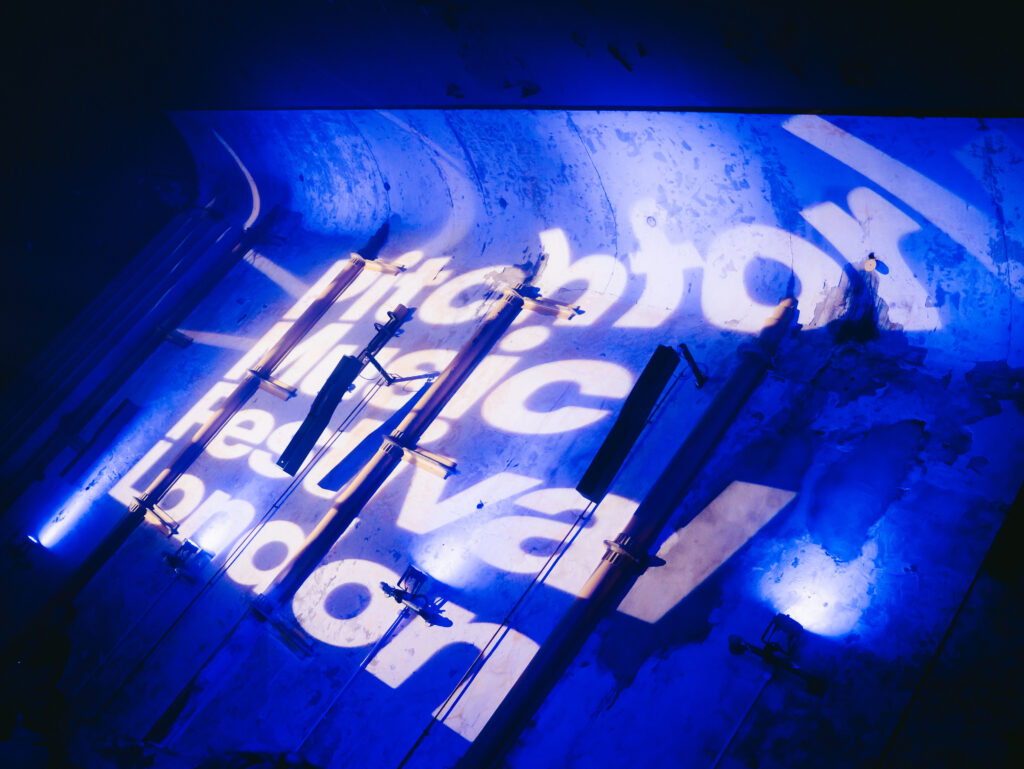
Pitchfork Music Festival London 2026: Beyond the Mainstream, Into the Music
Words by Kinga Omasta
Pitchfork Music Festival London 2026 delivered a dazzling week of live music, bringing together music lovers from around the world and giving a platform to a diverse selection of up-and-coming international artists. Spread across several iconic London venues, including nightclubs, ballrooms, and even churches, the festival offered six days of an exciting variety of music styles, which is undeniably one of the festival’s biggest strengths. The line-up of this year’s Pitchfork Music Festival London was well-curated and introduced the remarkable breadth of contemporary music to a wider audience. It proves that there’s much great music beyond the charts, and you just have to look for it.
Photos by Wiktoria Wolny
KOKO: Beautiful Melancholy and the Art of Getting Lost in Music
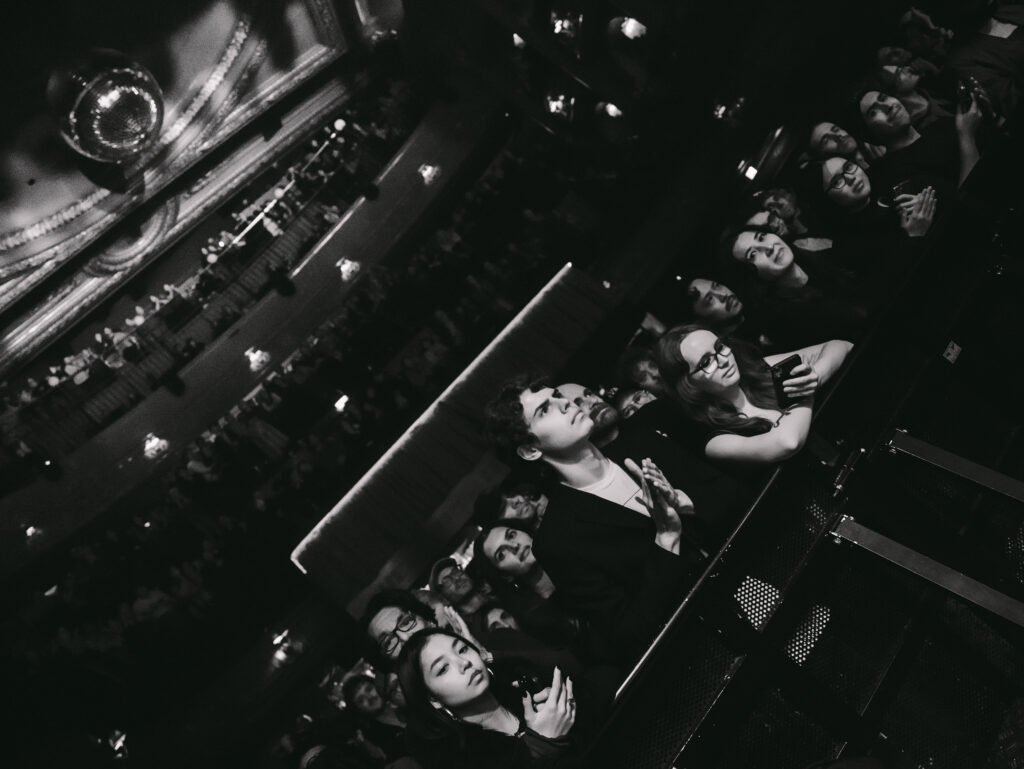
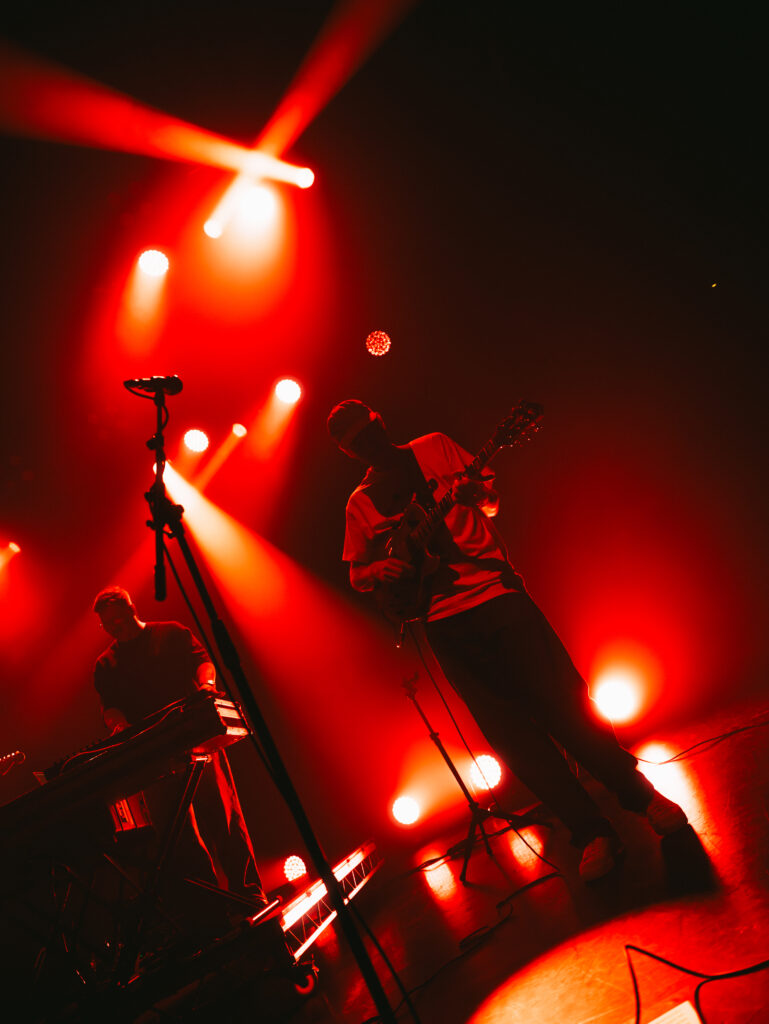
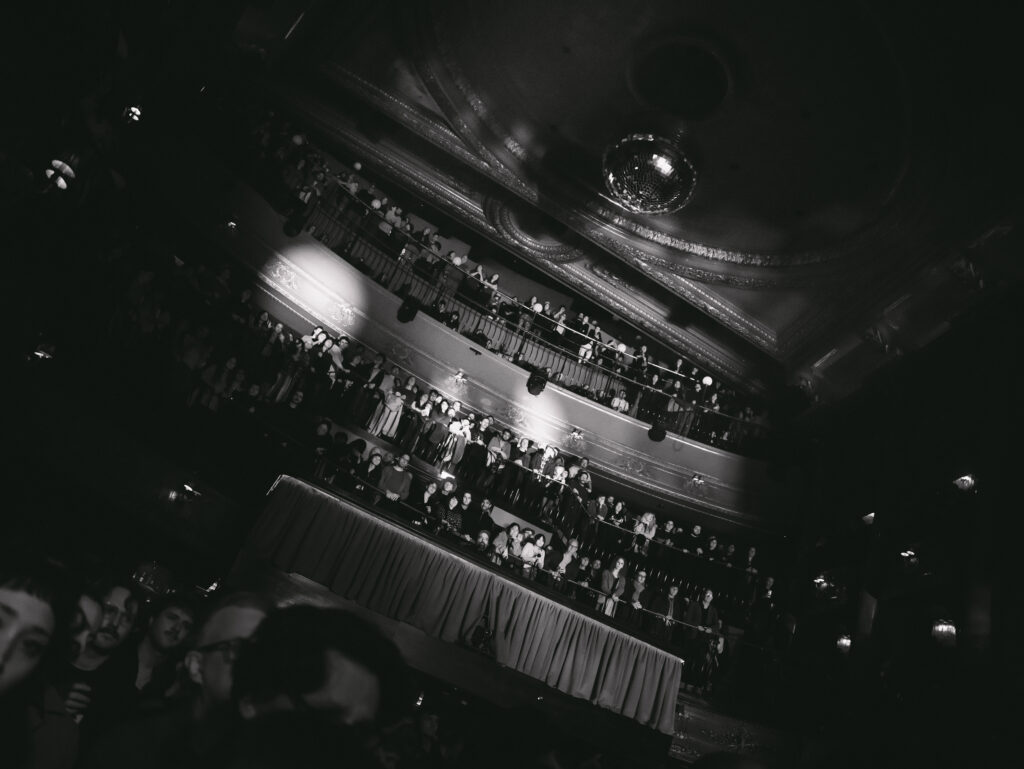
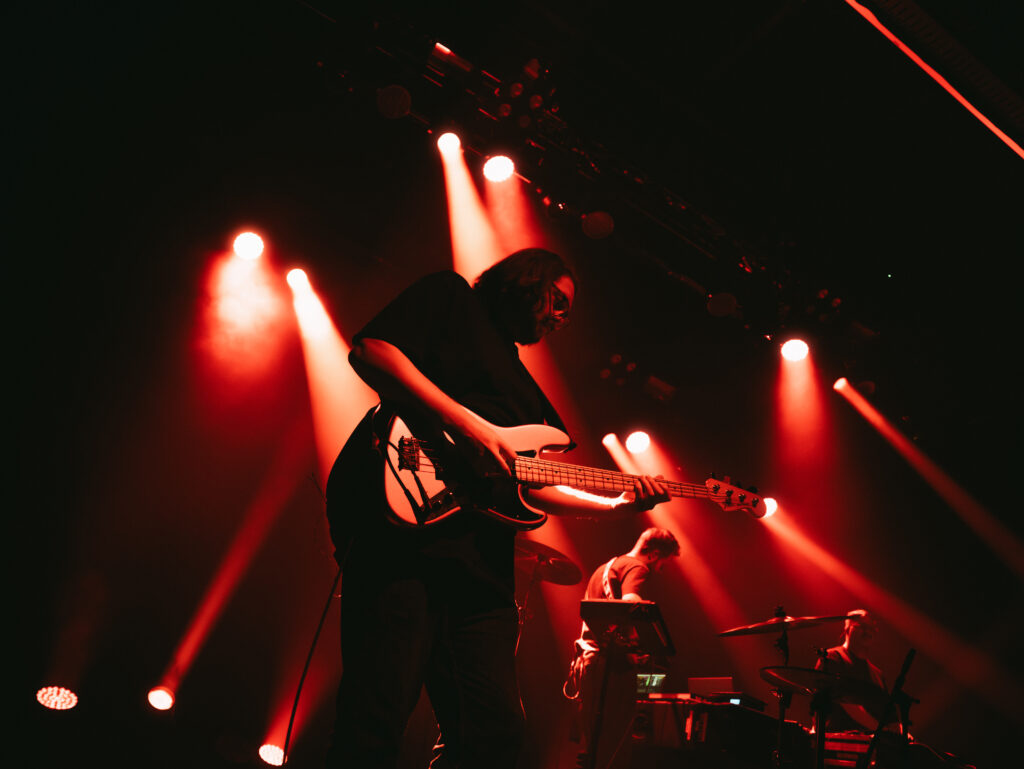
Few London venues can match the theatrical character of KOKO. Once known as the Camden Theatre and later the Camden Palace, the historic building has witnessed generations of musical performances, and its gold-gilded balconies and ornate ceilings provide a setting that feels almost cinematic. For Pitchfork, the venue was transformed by dramatic red lighting, creating an atmosphere somewhere between an underground club and an old-fashioned theatre.
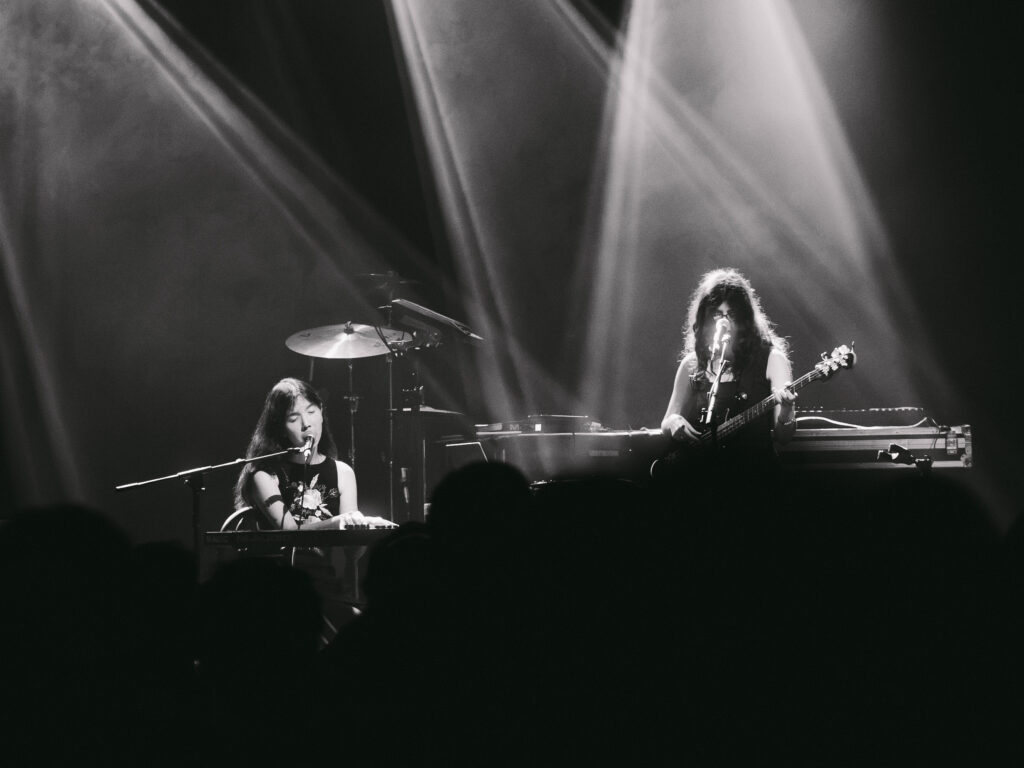
Opening the evening were Copenhagen-based duo A Good Year, whose music moved effortlessly between electronic production, pop sensibilities and cinematic soundscapes. Combining acoustic guitars, electronic beats and unconventional vocals, the pair established an intriguing contrast between the intimacy of their sound and the grandeur of the room. There was something refreshingly unpretentious about their approach: no need to settle into a recognisable genre or follow an obvious formula. Instead, they allowed their influences to coexist, setting the tone for an evening that would repeatedly challenge musical expectations.
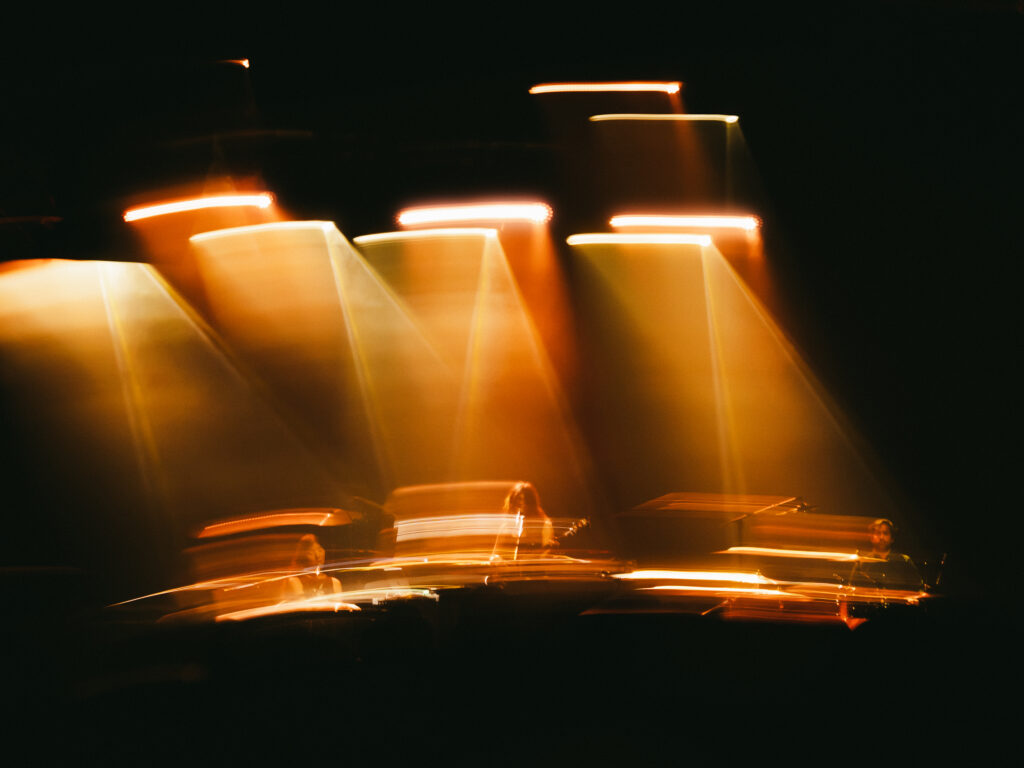
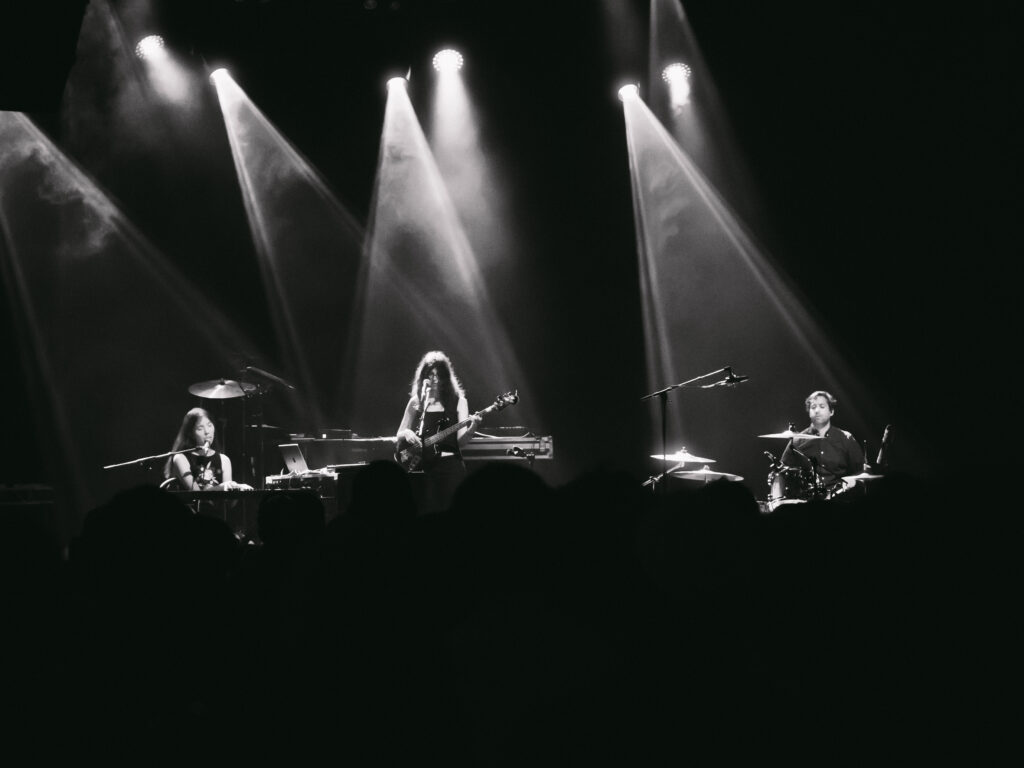
Then came Ana Roxanne, whose performance proved to be one of the evening’s most affecting moments. The American musician of Filipino heritage has developed a sound that draws from dream-pop, jazz, choral music and experimental electronics, but describing it through genre alone hardly does it justice. Her compositions seem to exist somewhere between a dream and a confession, combining delicate vocals with minimalist arrangements that leave plenty of room for emotion.
Photos by Wiktoria Wolny
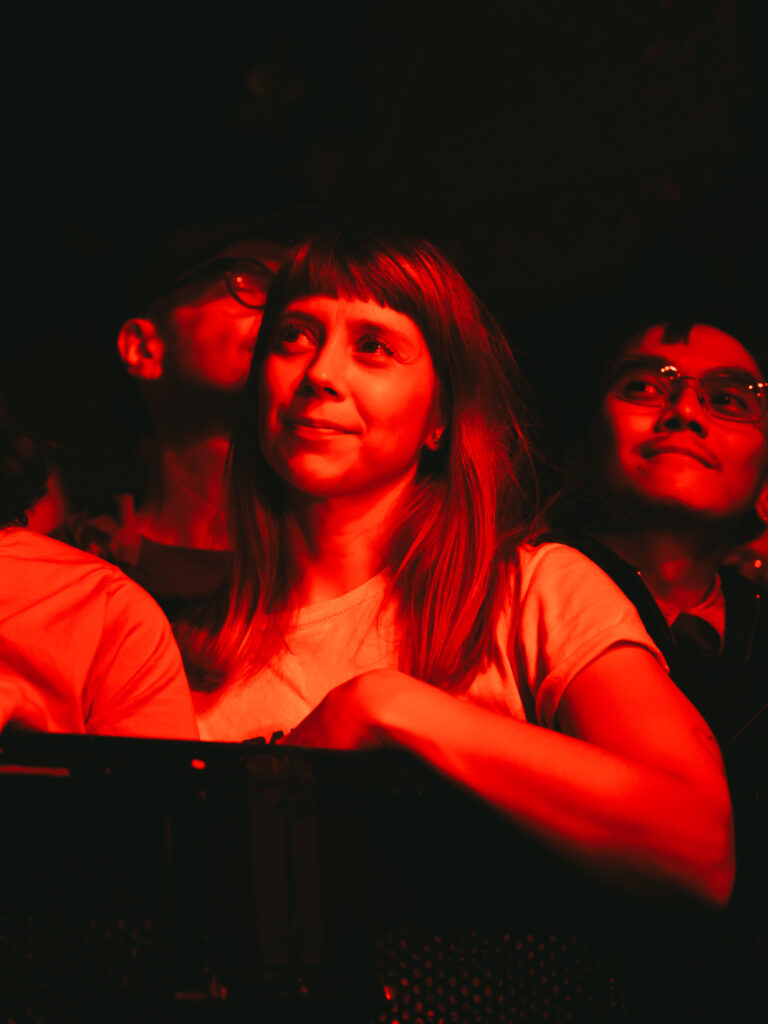
At KOKO, that intimacy became almost tangible. Roxanne didn’t so much perform to the audience as invite them into her musical world. Her unhurried delivery and understated arrangements created an atmosphere of extraordinary vulnerability, turning the venue into something resembling a shared listening room. There was a spiritual quality to the performance, but never one that felt disconnected from the present. It was modern, deeply personal and quietly mesmerising.
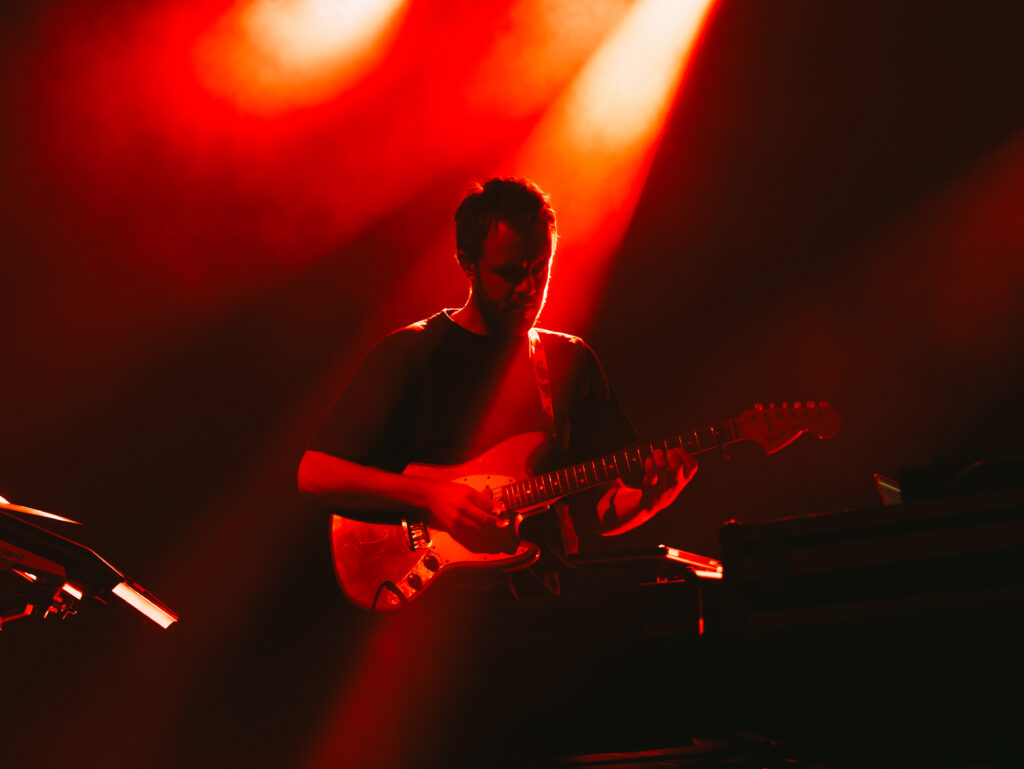
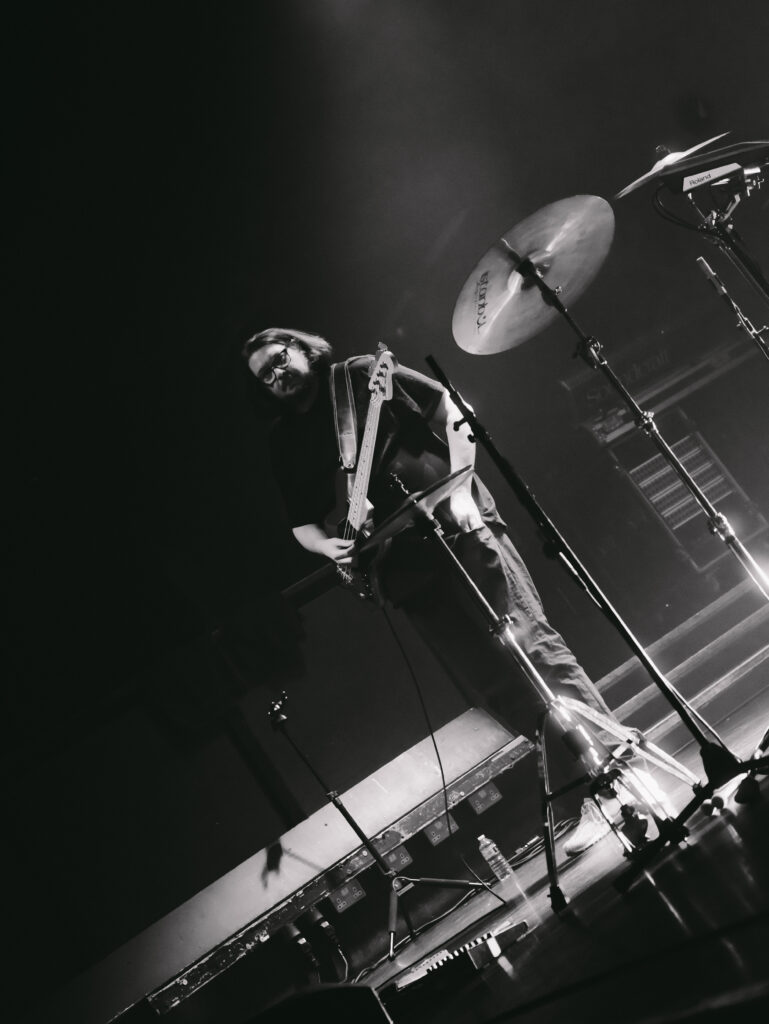
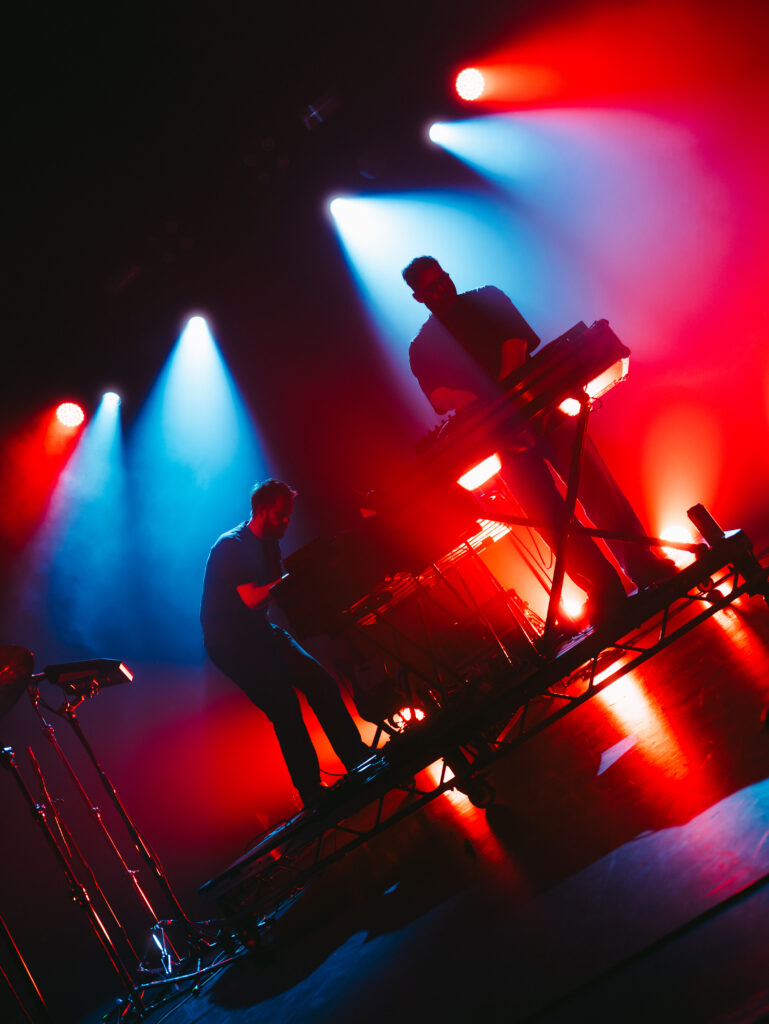
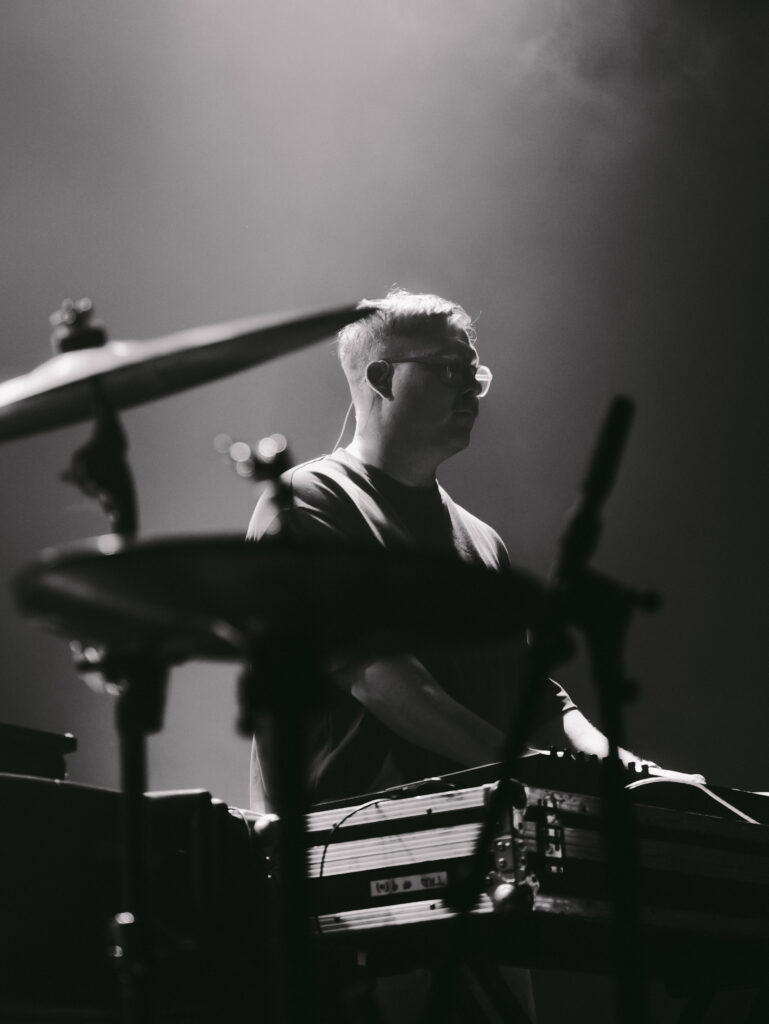
If Roxanne offered an invitation to look inward, the Radio Dept. brought the evening to a close by opening the door to a different kind of emotional landscape: one built on nostalgia, bittersweet memories and the peculiar comfort of melancholy.
Photos by Wiktoria Wolny
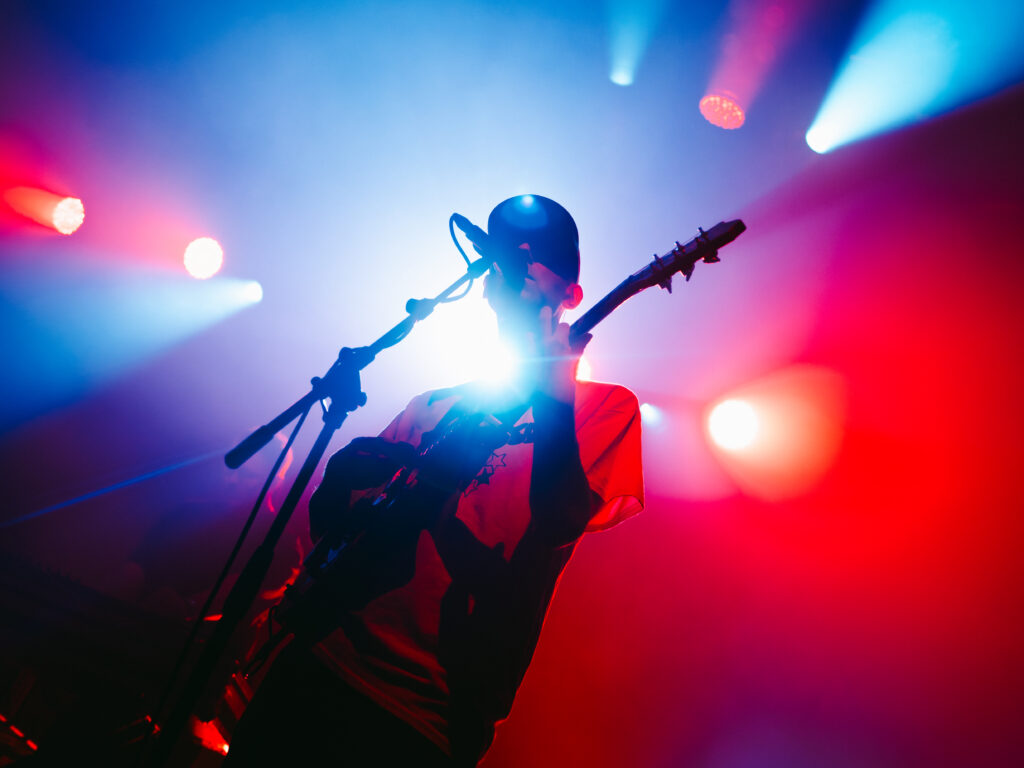
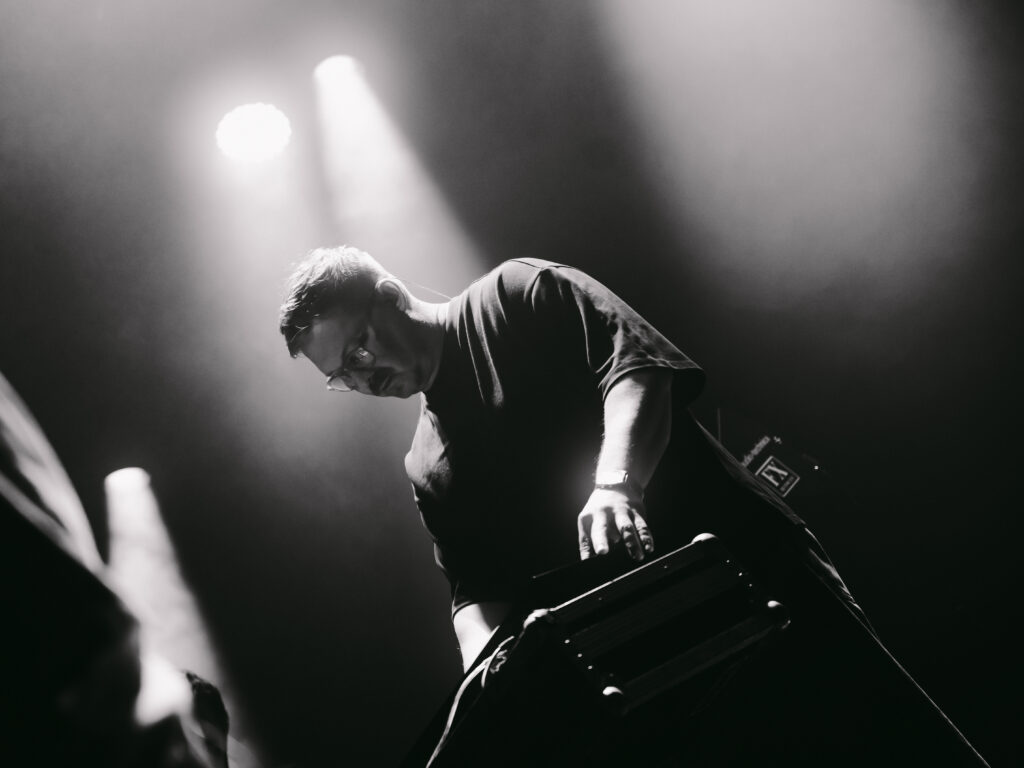
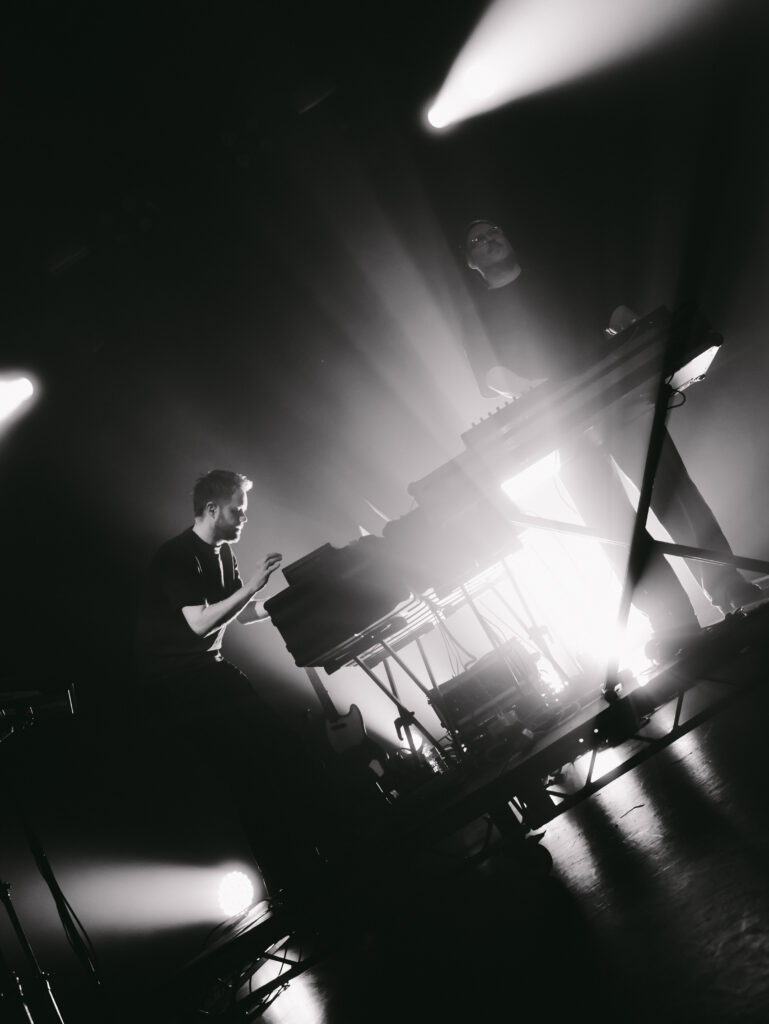
The Swedish indie dream-pop band returned to UK stages after nearly a decade away, giving fans an opportunity to revisit the different chapters of their catalogue. From the hazy innocence of their debut album, Lesser Matters, to the more synth-driven textures of their later work, the set unfolded like a collection of memories that had never quite faded.
Johan Duncanson’s understated vocals floated above shimmering guitars and delicate electronic arrangements, creating an atmosphere that felt almost suspended in time. The Radio Dept. have never been a band particularly interested in spectacle, and their KOKO performance was a reminder of why they don’t need it. No elaborate production, no theatrical gestures, no unnecessary distractions. Just beautifully constructed songs and melodies capable of transporting an audience somewhere else entirely.
There is something rather radical about a band trusting its music enough to let it speak for itself. In an era when live performances increasingly compete for attention through visual excess, the Radio Dept. made a compelling case for restraint. Their songs carried the weight of old relationships, distant summers and youthful dreams, without ever becoming sentimental for the sake of it.
It was an unexpectedly moving way to end the night. Sometimes the most memorable live performances aren’t the loudest ones. Sometimes all it takes is a room full of people, a handful of beautifully written songs and an artist who understands exactly how much emotion can exist between the notes.
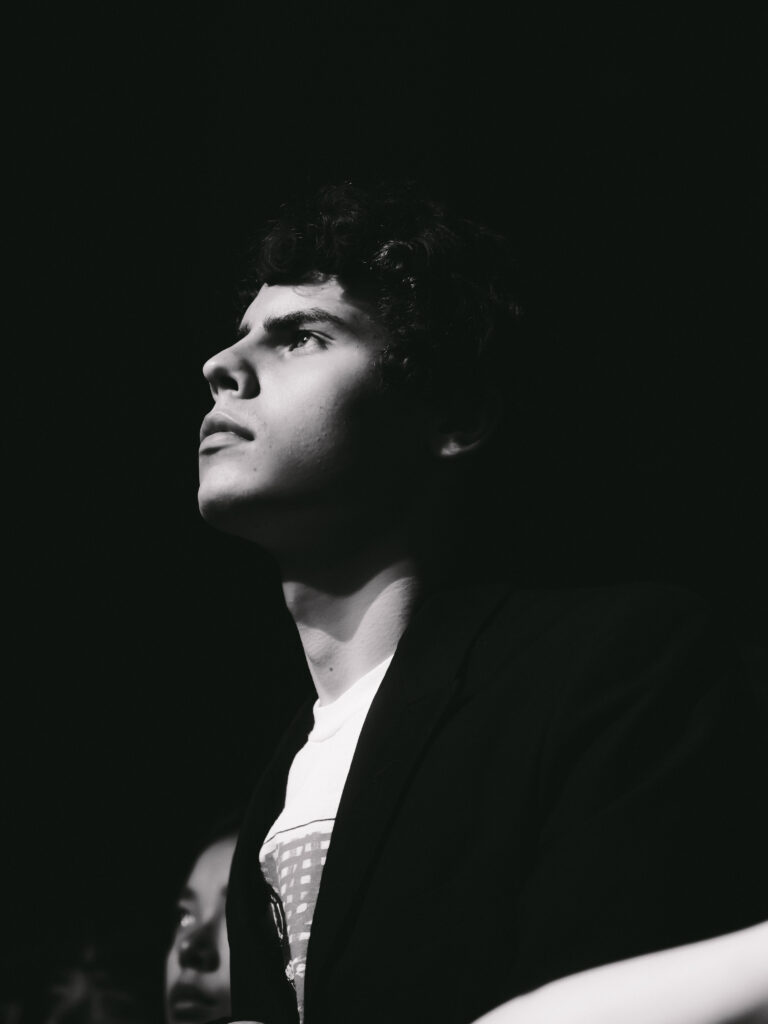
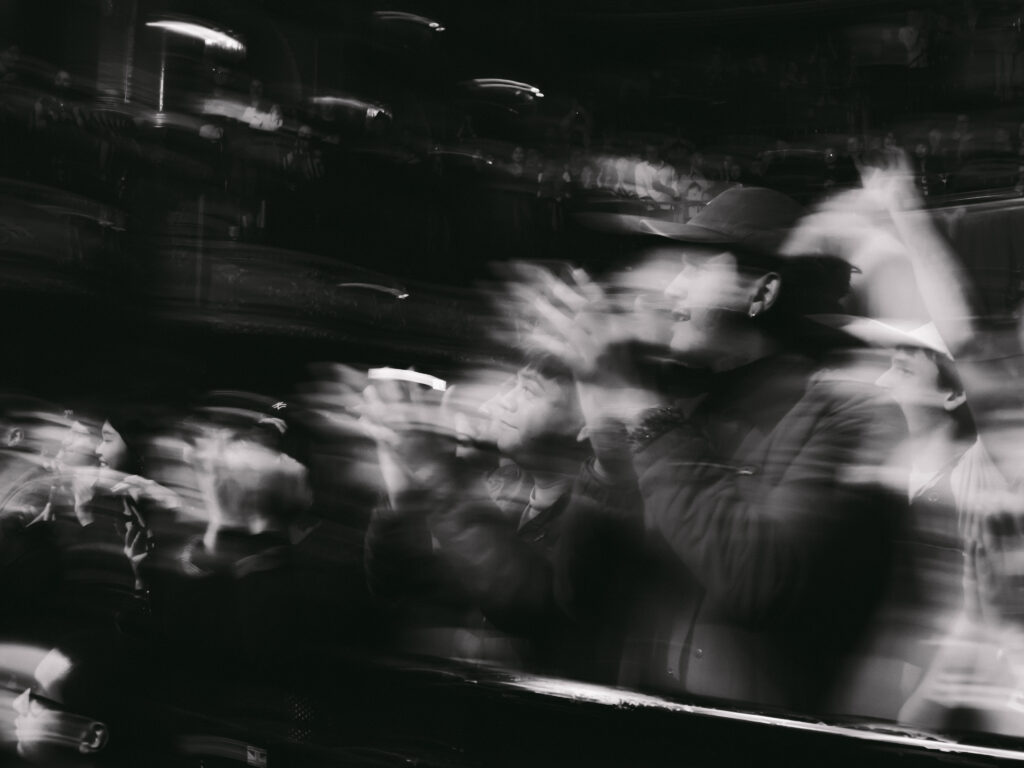
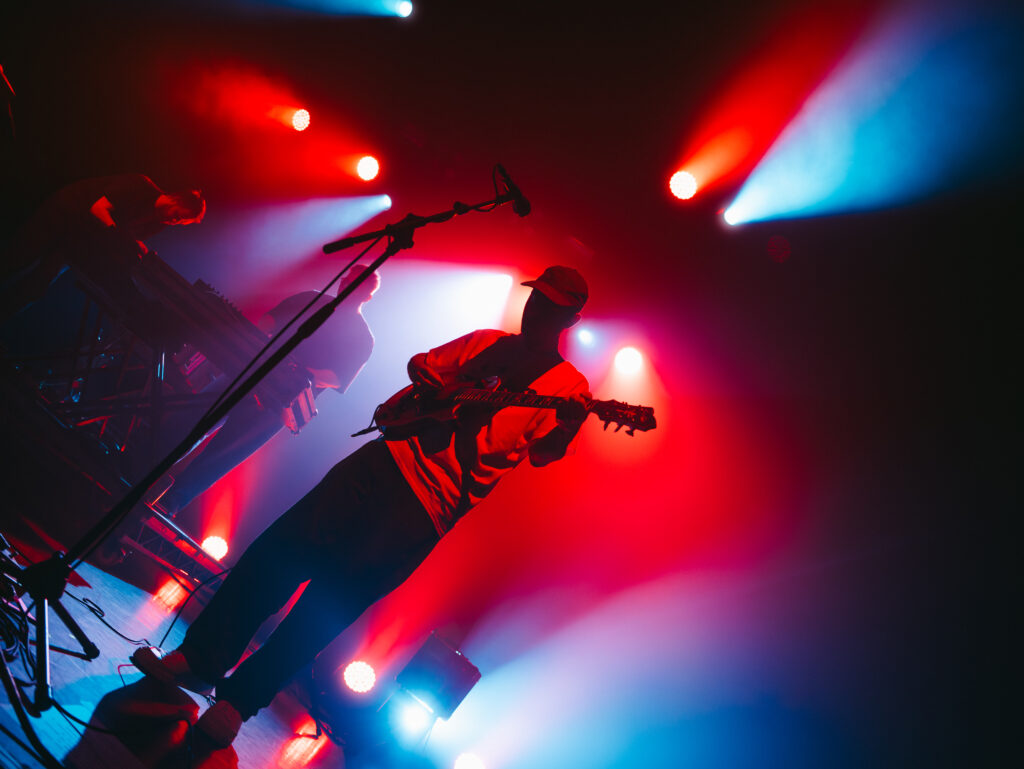
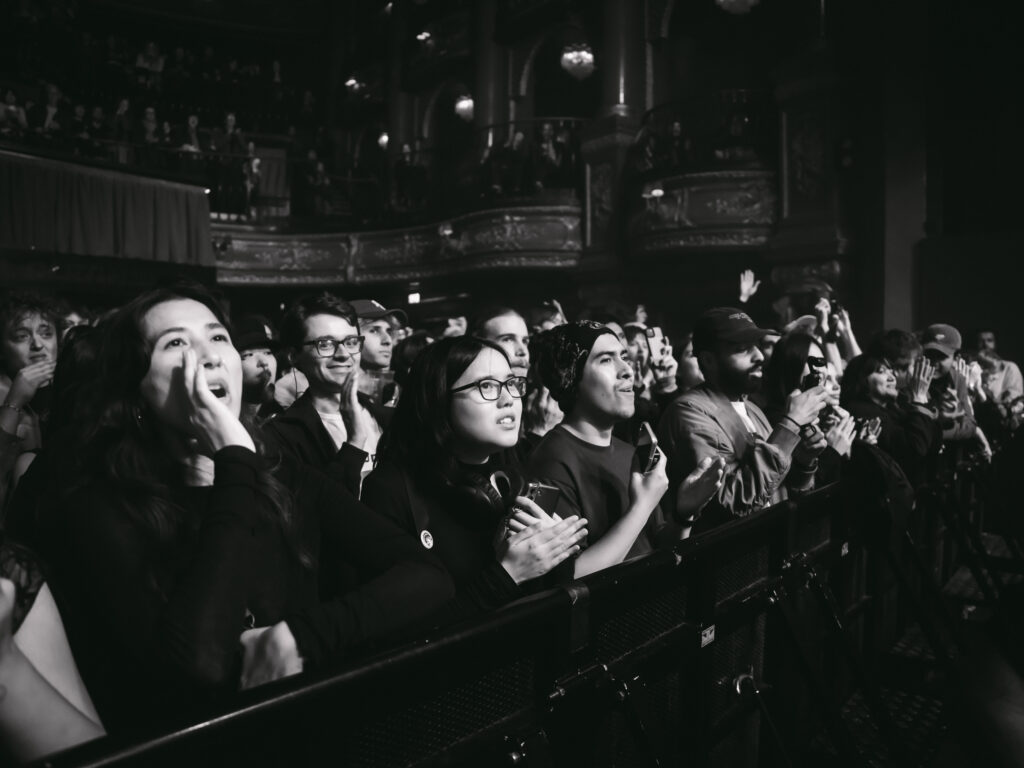
Photos by Wiktoria Wolny
Night at EartH Theatre
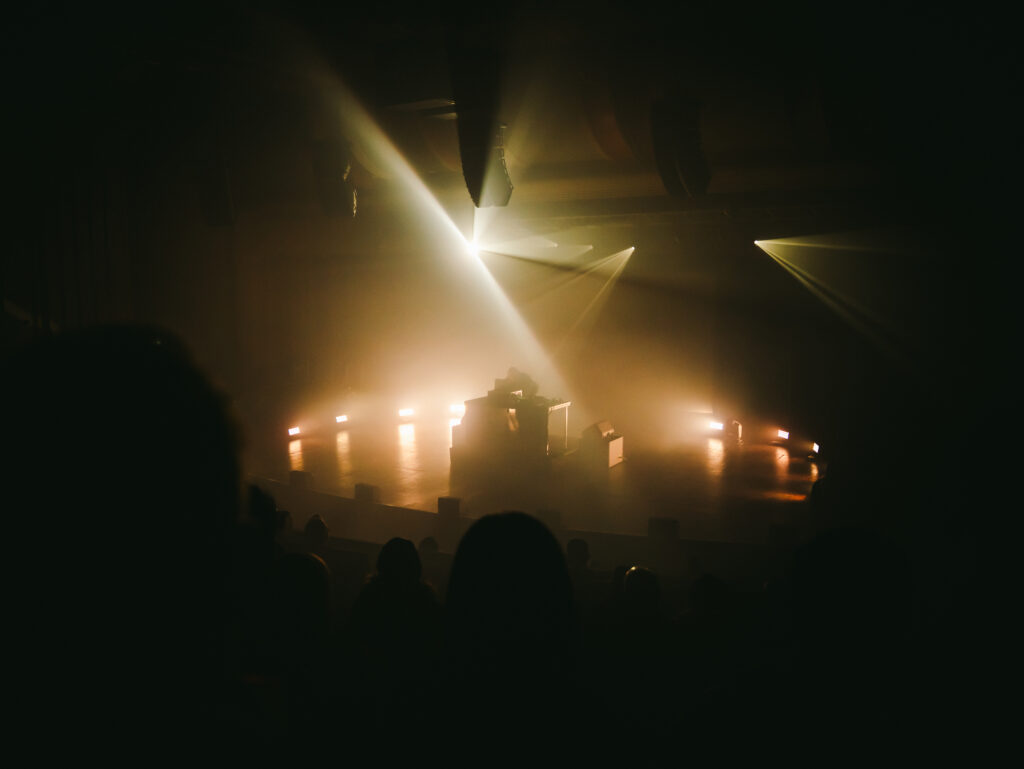
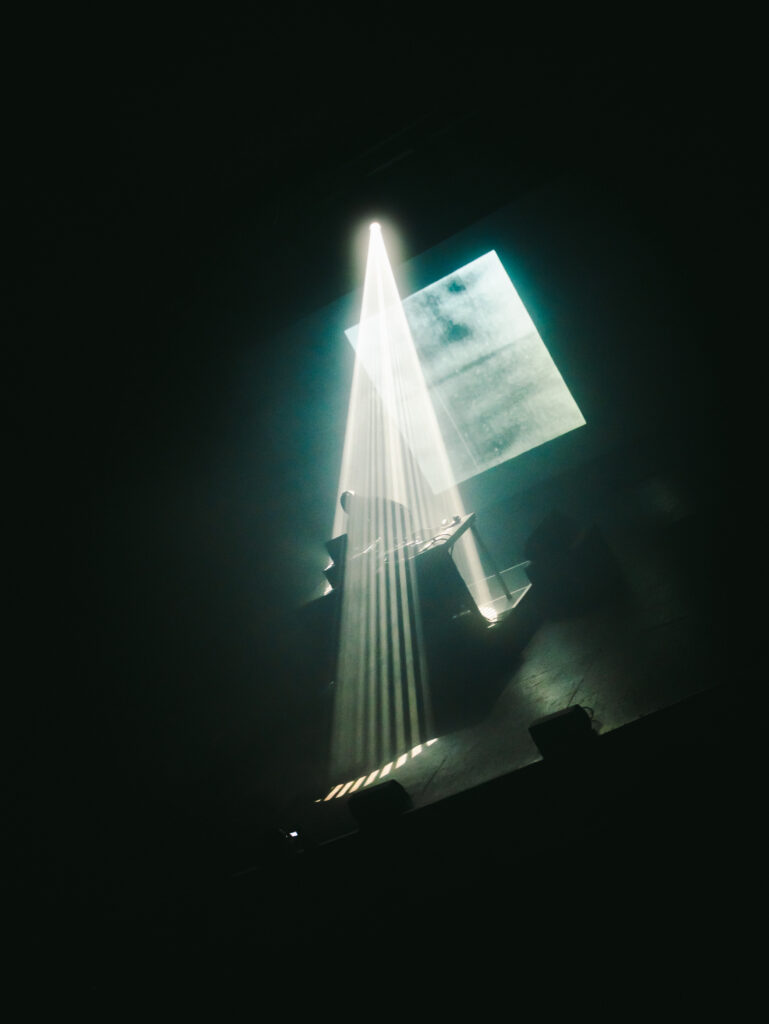
Another spot on the festival’s map was EartH Theatre which gathered music lovers for a night with three absolutely fascinating artists who differ not only in sound but also music perception.
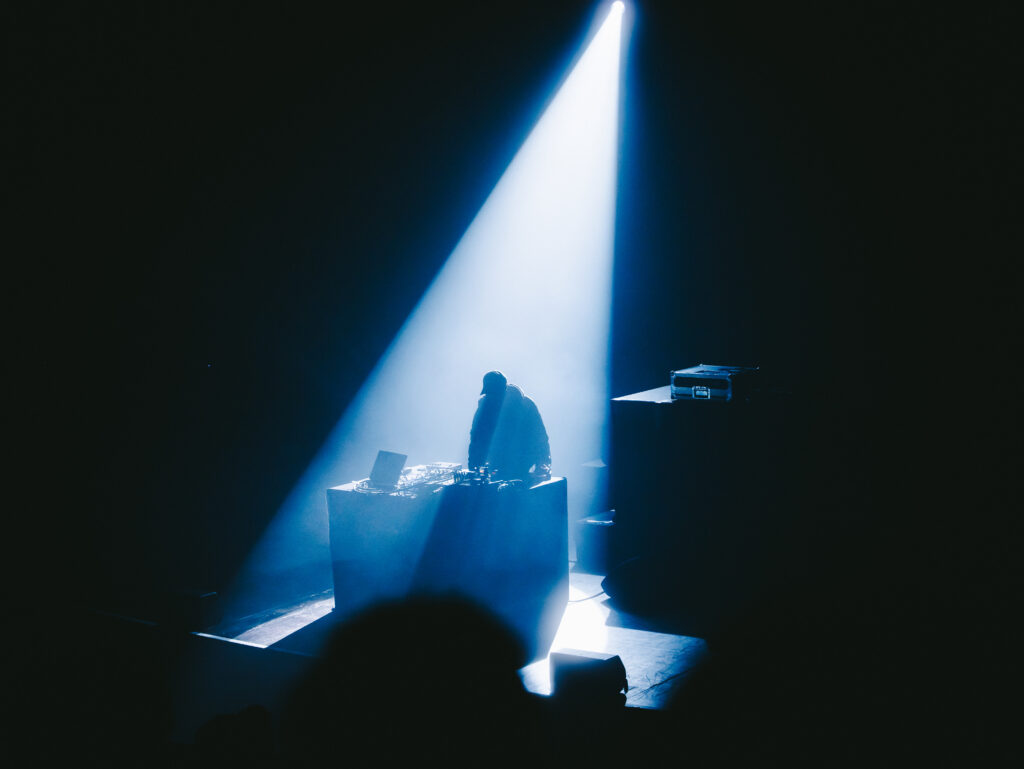
The evening was opened by Joy Guidry, an American musician from Texas, whose music is an exciting blend of electronic music with jazz and gospel. Although fans tend to see music as separate genres, Guindry puts such a view into question with their intersectional sound – the blend is so smooth that you could hardly categorise the influences unless you feel the need to. Additionally, their performance was nothing conventional: it was atmospheric and meditative and yet intense and cathartic.
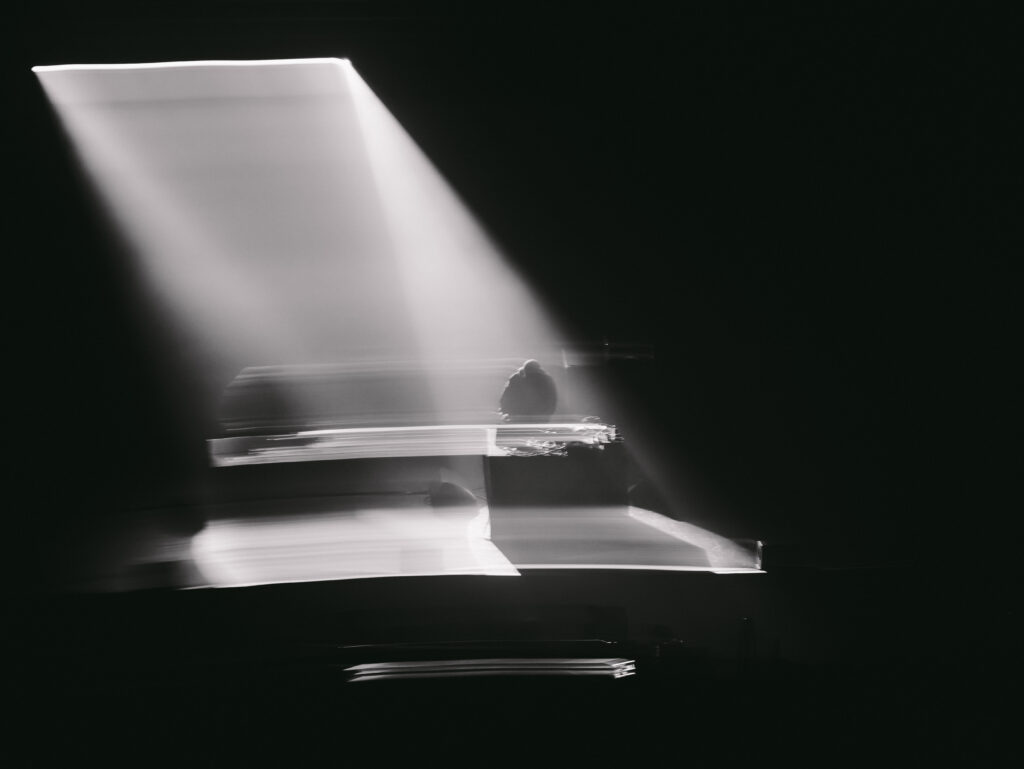
A Kenyan musician, KMRU was next to take the stage, and he undeniably proved to be one of the most interesting contemporary artists. Considering the world to be full of music, KMRU collects sounds from everyday life (e.g., rain, wind, industrial noises, human voices) and then manipulates these recordings with synthesisers, distortion, and layering; the result is fascinating and out of the ordinary. Expectably, KMRU’s performance at EartH Theatre was a dazzling experience for the audience and an immersive journey through human perception of surroundings and music. As a result, he proved that everything in the world can be music if people open their minds to listen.
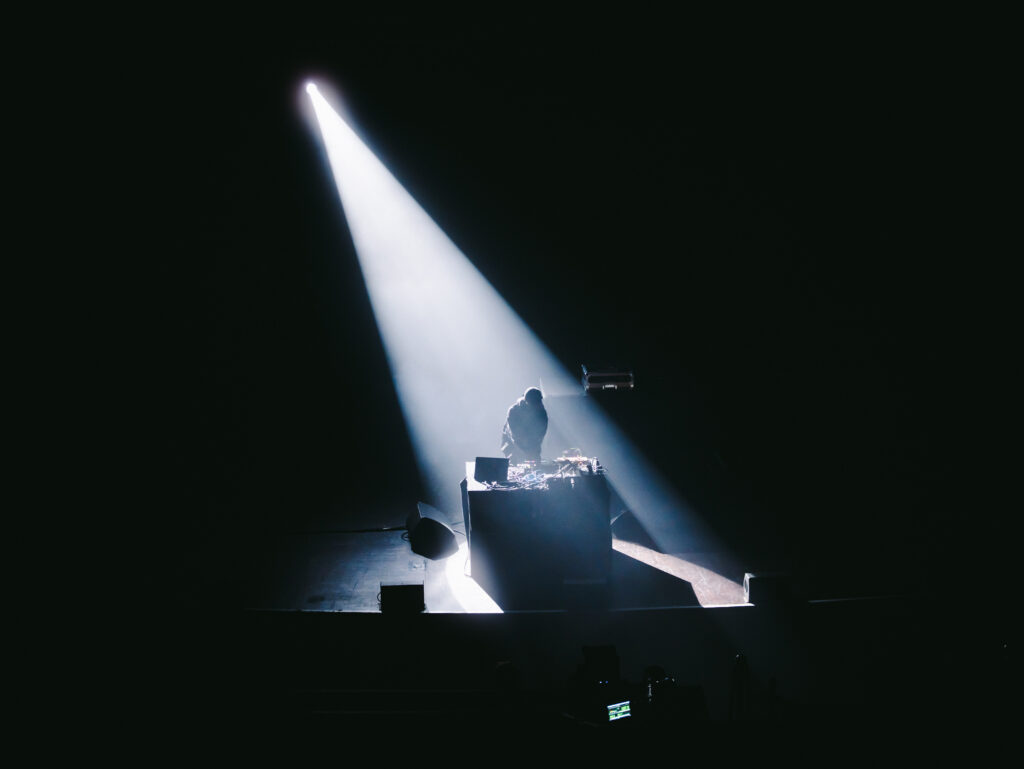
Photos by Wiktoria Wolny
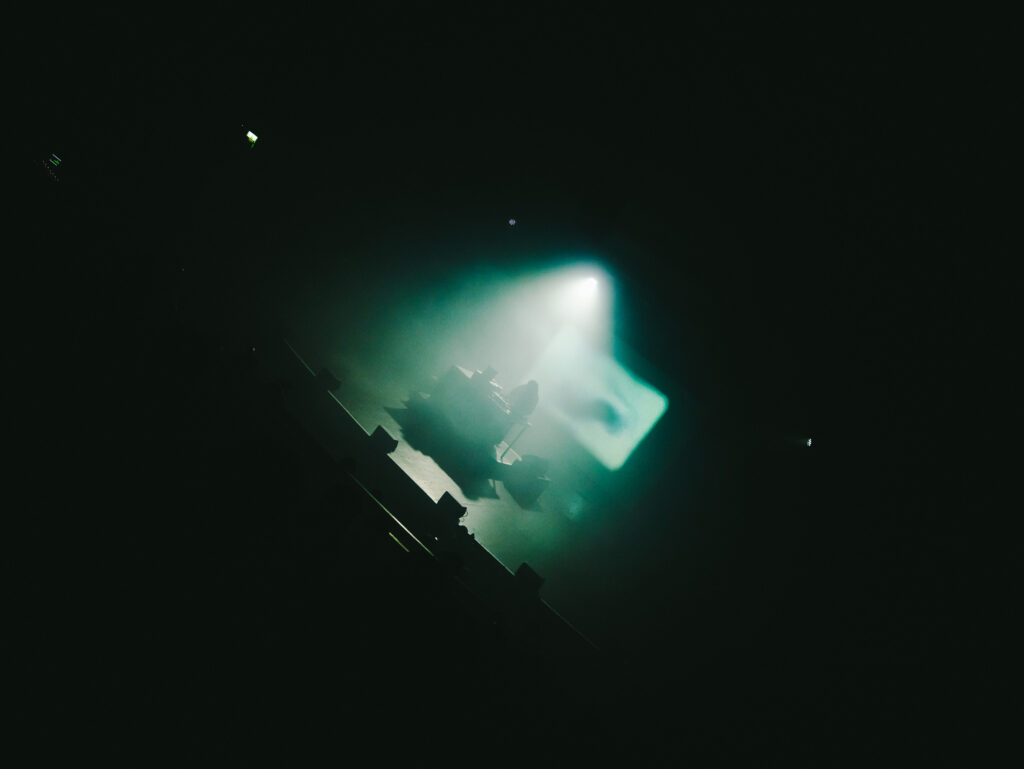
The night at EartH Theatre was closed by a British musician and producer, Actress who is one of the most distinctive artists in electronic music. Although he uses elements of techno, he distorts the recognisable structure of rhythm and melody, and thus creates something unrecognisable and difficult to categorise within the genre. Actress’s performance at EartH Theatre was intriguing as the artist made the familiar sound unfamiliar. Subsequently, even though the audience may have associated electronic music with dancing, Actress made us question this view by shifting the conventions of electronic music.
By the end of the night at EartH Theatre, it became obvious for the audience that music is everything and everywhere. Music can be genre-defying, distortive, or even made of environmental sounds
Photos by Wiktoria Wolny
Heaven: No Rules, No Boxes, Just Brilliant Music
If KOKO was an exercise in atmosphere and introspection, Heaven offered a rather different kind of musical adventure. One of London’s most recognisable nightlife institutions, the legendary club provided the perfect underground setting for an evening devoted to the intersections of jazz, soul and contemporary hip-hop.
The first artist to take the stage was Kaicrewsade, a Chicago musician whose sound reflects the rich musical identity of his hometown. Bringing together jazz, soul, hip-hop and elements of Chicago footwork, his performance felt like a conversation between musical generations. There were echoes of the city’s musical heritage throughout, but nothing about the set felt like an exercise in nostalgia.
What made Kaicrewsade particularly compelling was his sense of artistic identity. His influences were unmistakable, yet they never overshadowed his individuality. Warm jazz arrangements, playful rhythms and conversational rap came together with an ease that made the genre-blending feel entirely natural. There was no need for an elaborate production or an oversized stage presence. His music had enough character to command the room on its own.
Cleo Reed followed, bringing an equally adventurous approach to the stage. Drawing from traditional Black American musical forms, including folk, R&B, soul and jazz, while incorporating experimental hip-hop and electronic textures, Reed demonstrated just how much creative possibility exists when artists refuse to respect conventional boundaries.
Her performance was particularly striking for its storytelling. The arrangements were adventurous, but never at the expense of the lyrics or the emotions behind them. There was a strong sense of creative direction throughout, with Reed moving between different sounds and moods while maintaining a distinctive artistic identity.
That spirit carried naturally into the appearance of Georgia Anne Muldrow, whose deeply personal songwriting and unmistakable vocal presence became another highlight of the evening. Her voice shifted between moments of reassurance and raw emotional intensity, bringing a sense of intimacy to music that was otherwise expansive and unpredictable.
Together, Reed and Muldrow offered two different perspectives on what it means to create without artistic limitations. Neither seemed particularly interested in chasing trends or fitting into an established musical category. Instead, their performances demonstrated the value of developing a sound that feels entirely one’s own.
Closing the evening was Noname, the Chicago-born rapper whose jazz-inflected approach to hip-hop has established her as one of the genre’s most distinctive contemporary voices. Her performance brought together conversational flows, intricate rhythms and deeply reflective lyrics, moving between personal observations and broader reflections on society and politics.
There was an immediacy to her delivery that made the performance particularly engaging. Noname’s writing has always been one of her greatest strengths, and hearing those words unfold live gave them an additional dimension. Her music invites listeners to pay attention, not simply to the rhythm or the production, but to the ideas behind every verse.
The occasion also carried an added significance for fans: the performance marked a decade since the release of her breakthrough mixtape, Telefone. It was a fitting moment to celebrate both the artist’s journey and the lasting influence of a record that helped introduce her distinctive voice to a wider audience.
By the time the evening came to an end, Heaven had become a meeting point for different generations, sounds and musical traditions. Noname’s set was a powerful closing statement, reinforcing the idea that hip-hop can be intellectually adventurous, musically fluid and deeply personal all at once.
The Beauty of Looking Beyond the Obvious
If Pitchfork Music Festival London 2026 left its audience with anything, it was a renewed appreciation for the possibilities of contemporary music. Across KOKO and Heaven, the festival presented artists who approached their craft from entirely different perspectives, yet shared one important quality: a refusal to be confined by expectations.
From the dreamlike compositions of Ana Roxanne and the bittersweet nostalgia of the Radio Dept. to the genre-defying creativity of Kaicrewsade, Cleo Reed, Georgia Anne Muldrow and Noname, the programme demonstrated that musical innovation doesn’t always announce itself loudly. Sometimes it arrives through a delicate vocal, an unexpected rhythm or a lyric that makes you stop and think.
And perhaps that is what makes a festival like Pitchfork so important. Beyond the familiar names, the streaming charts and the increasingly predictable world of mainstream music, there is an entire universe of artists creating something genuinely exciting. You simply have to be willing to look.
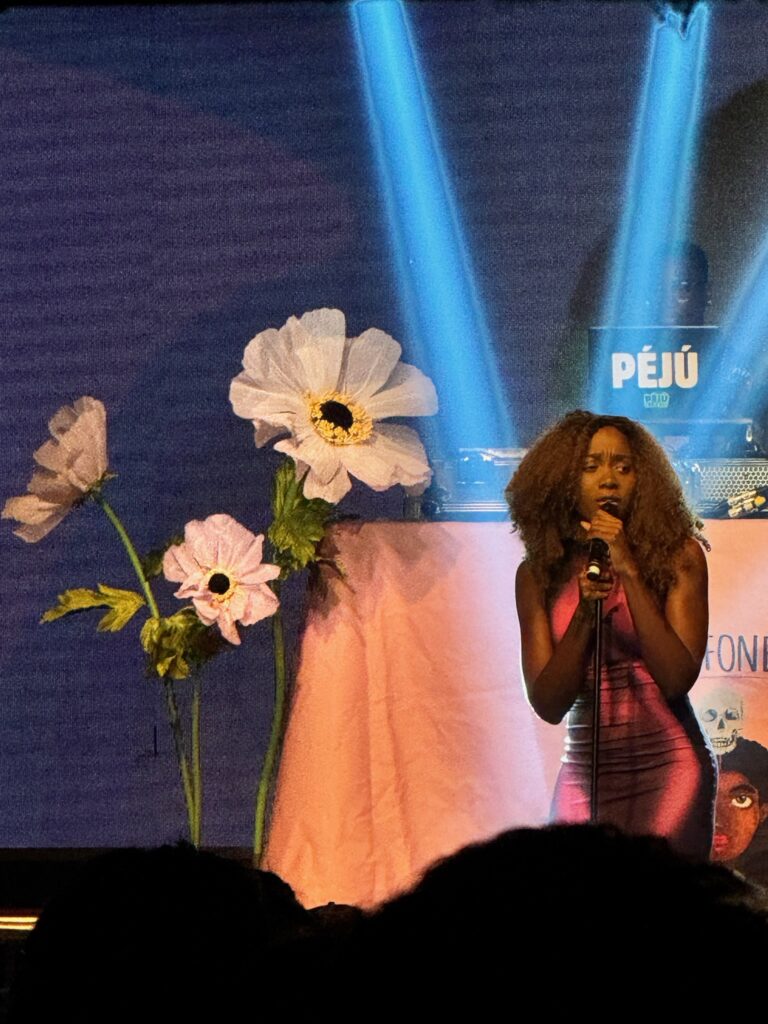
Photo by Julia Mastalerz