






 Midnight Runway Fashion Show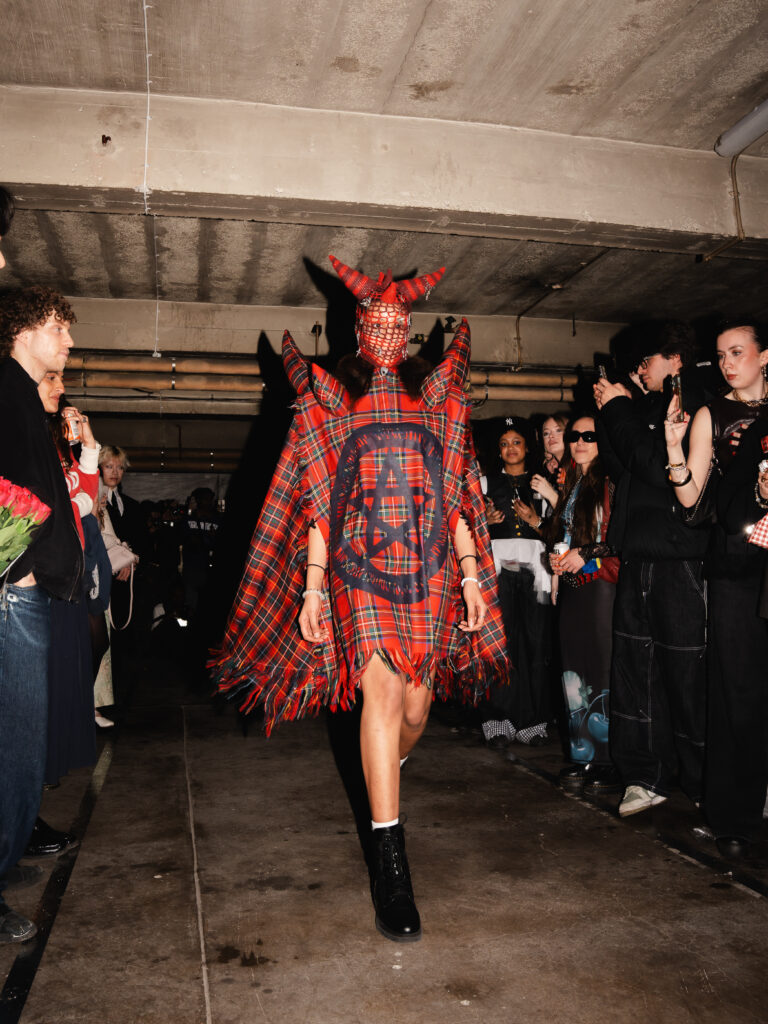
Words by Martyna Rozenbajgier
On Friday night, somewhere beneath the polished streets of Central London, fashion did what it does best — it rebelled. After its London debut last year, Midnight Runway returned with a new season titled Disrupt, a bold reimagining of the spirit of London’s punk subculture. But this wasn’t the kind of show where you quietly take your seat and politely clap. Midnight Runway feels more like stepping into a secret — one you don’t want to leave.
Photos by Wiktoria Wolny
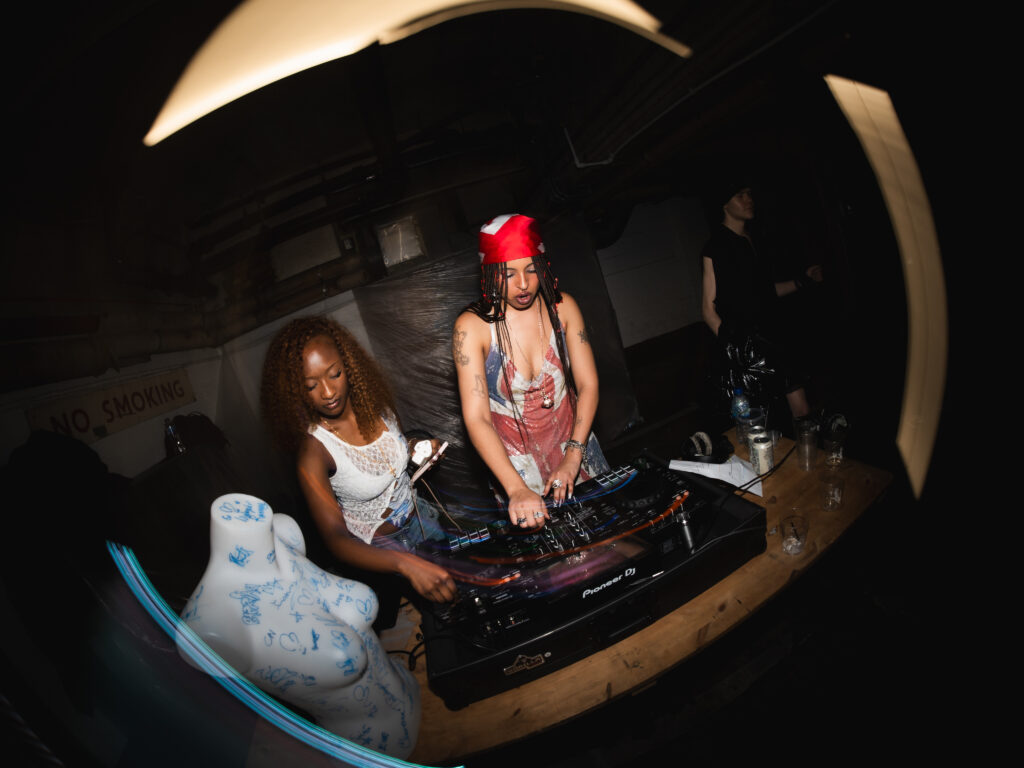
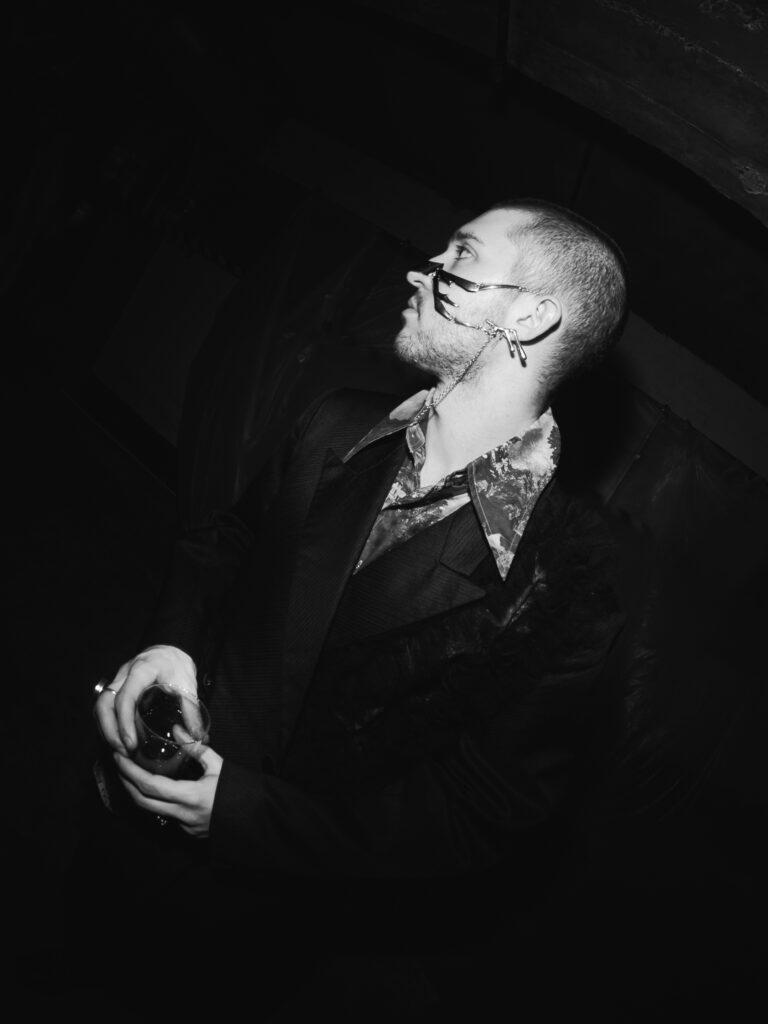
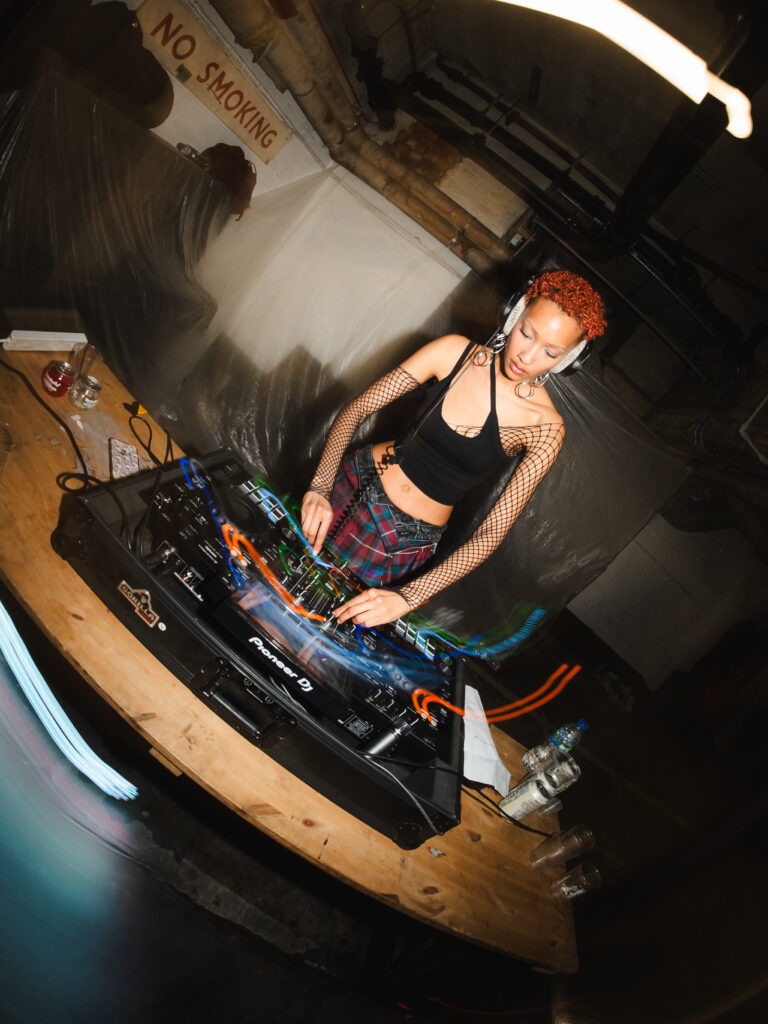
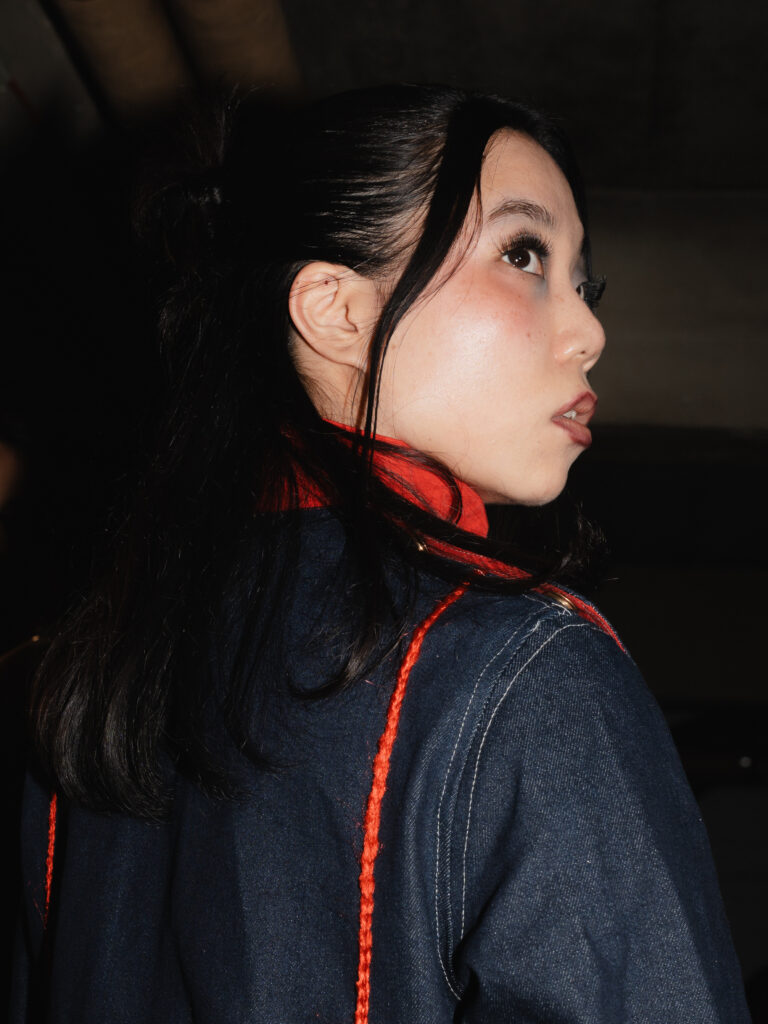
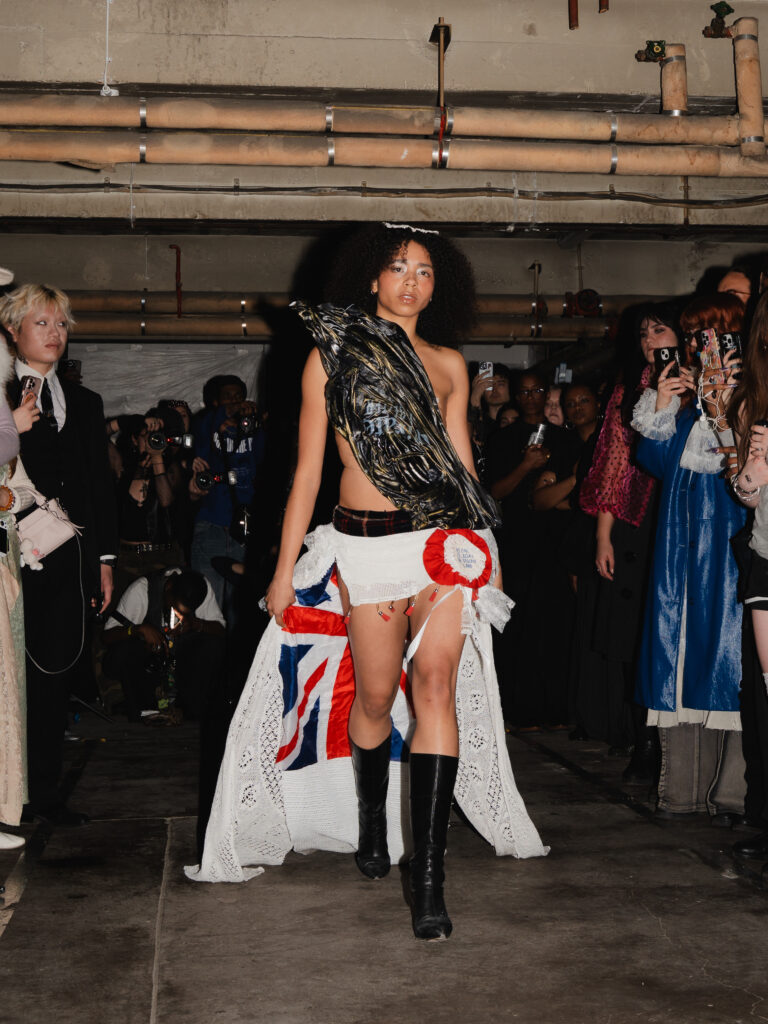
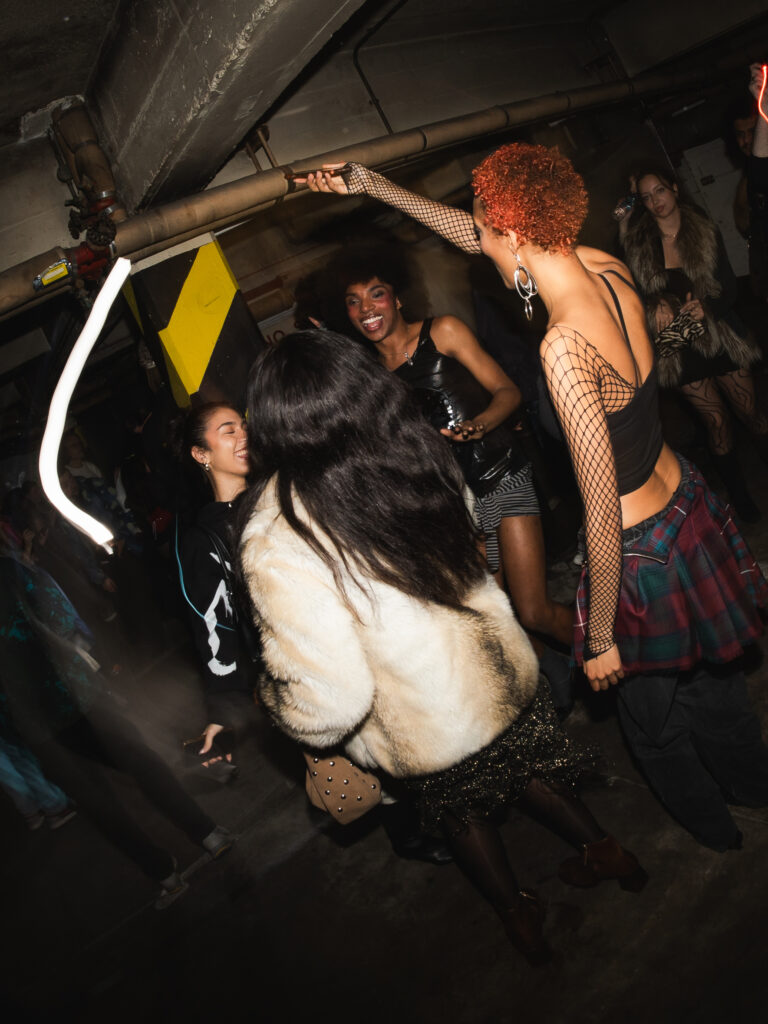
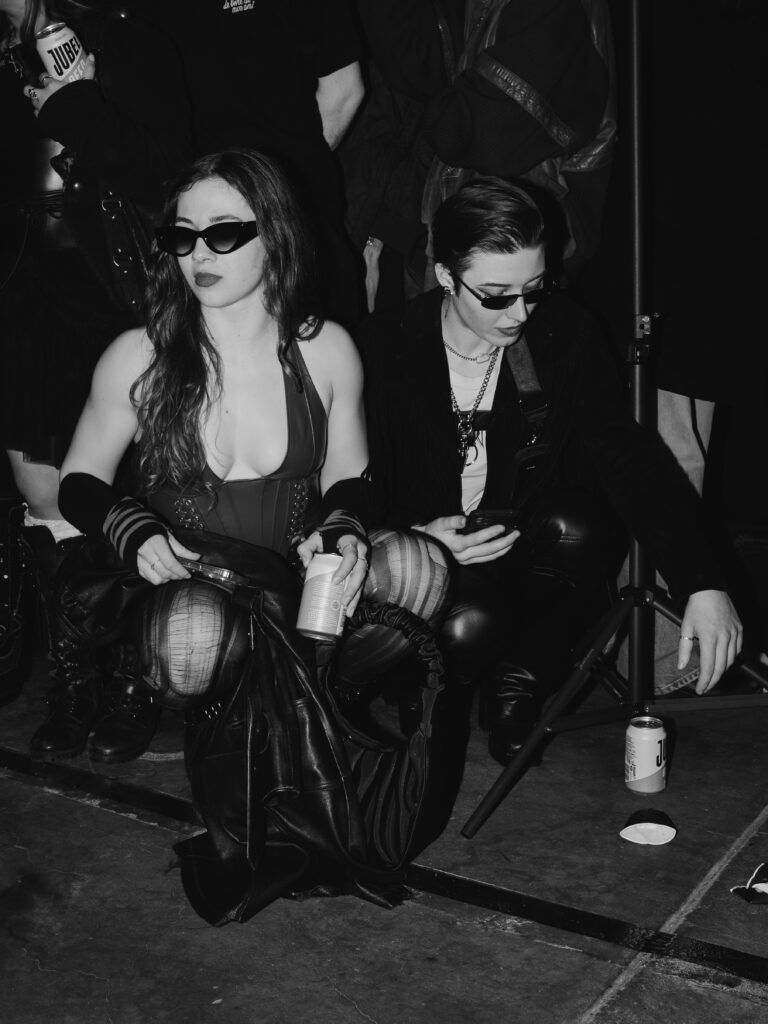
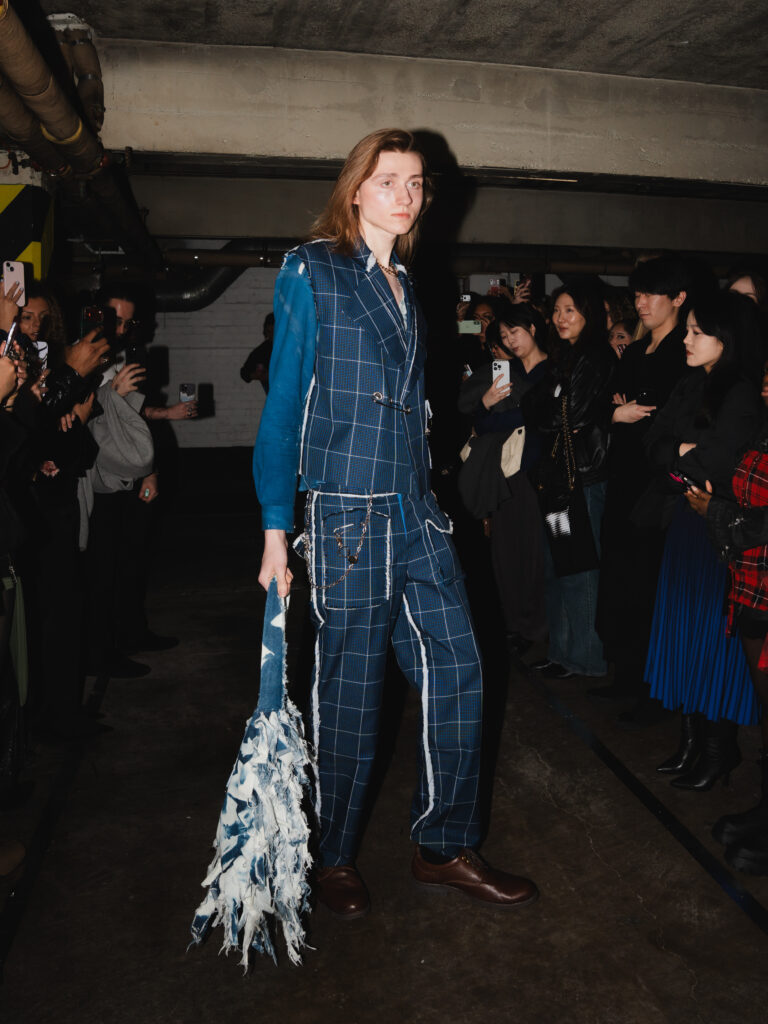
The doors opened at 10 pm, but the night didn’t truly begin until midnight, when the runway came alive, stretching the energy into an afterparty that carried on until 3 am. This year’s venue — an underground parking lot in Central London — was transformed into something electric. Raw concrete met high fashion, and suddenly the space felt less like a car park and more like the coolest underground party in the city. Before the first model even stepped out, the crowd had already become part of the show, dressed in their boldest looks, moving, dancing, existing as if they too belonged on the runway.
Organised by Juan Orive and Aerin Agyei, the night unfolded as more than just a showcase — it was a statement. A reminder that fashion doesn’t just follow culture, it pushes against it.
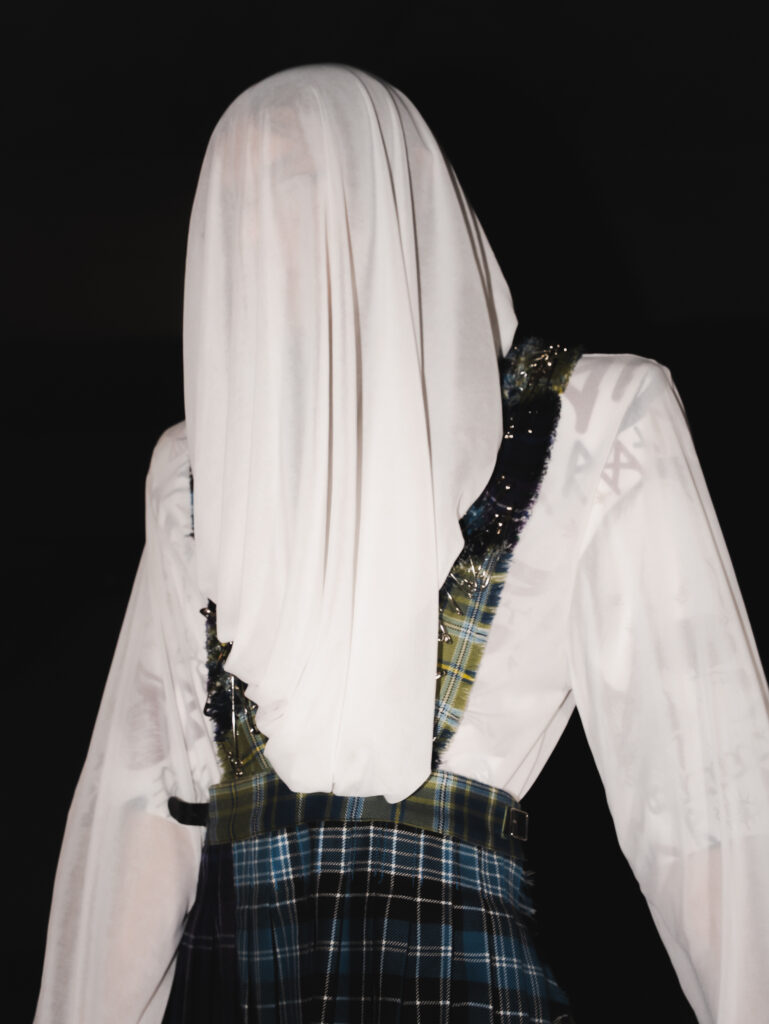
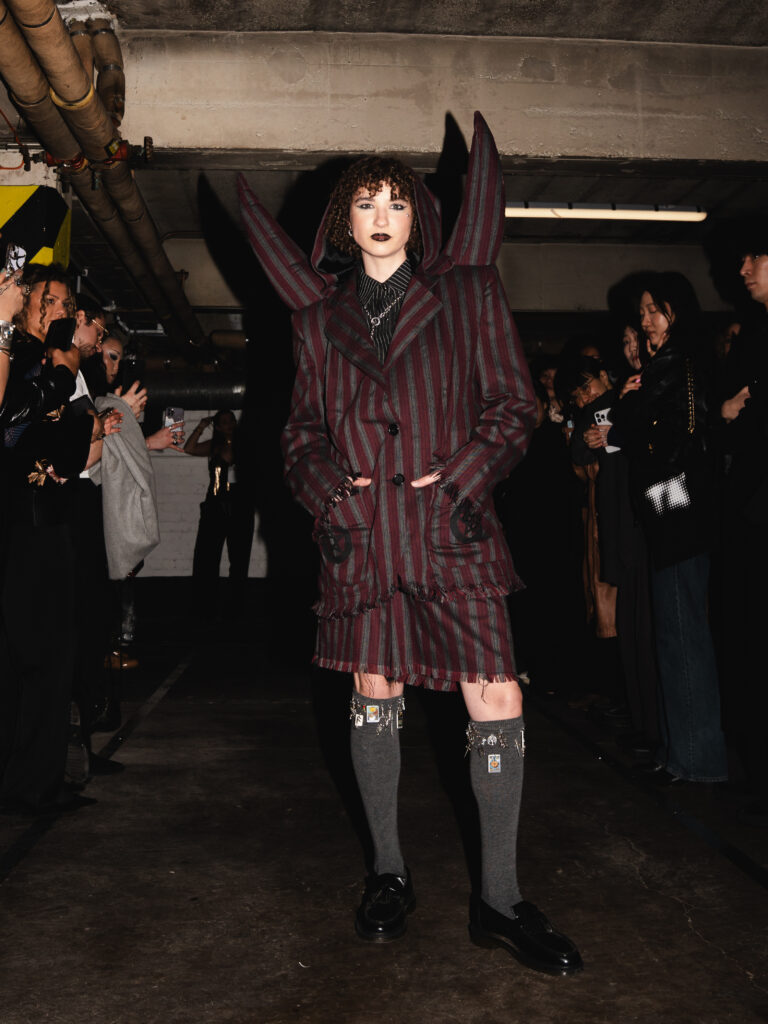
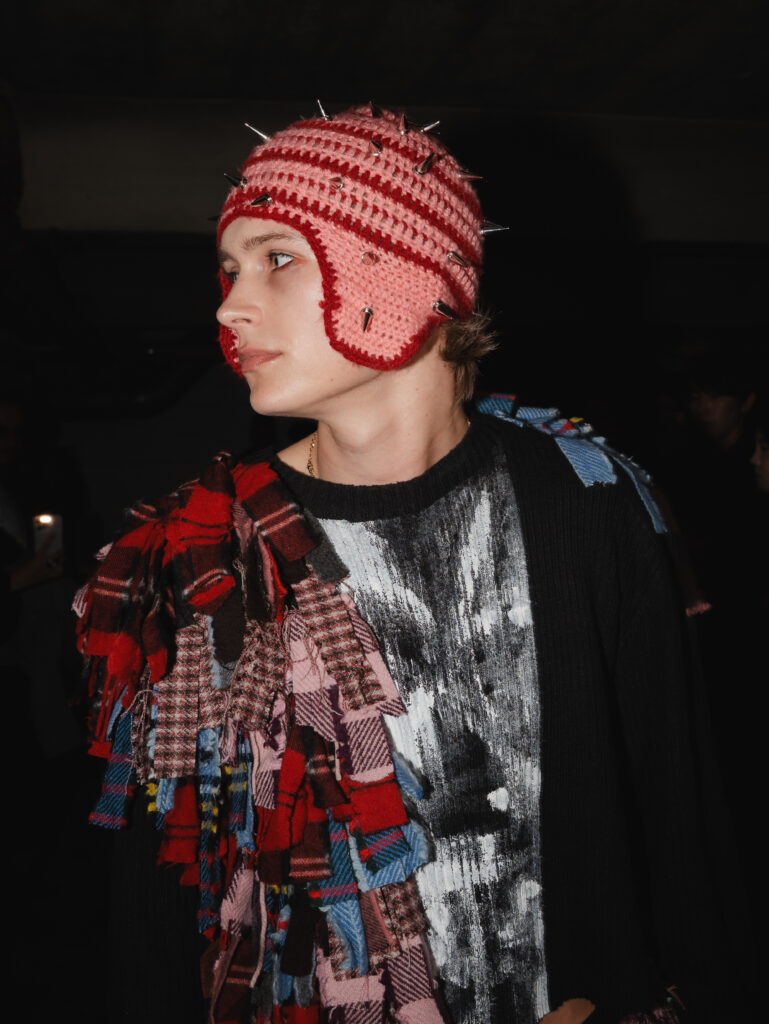
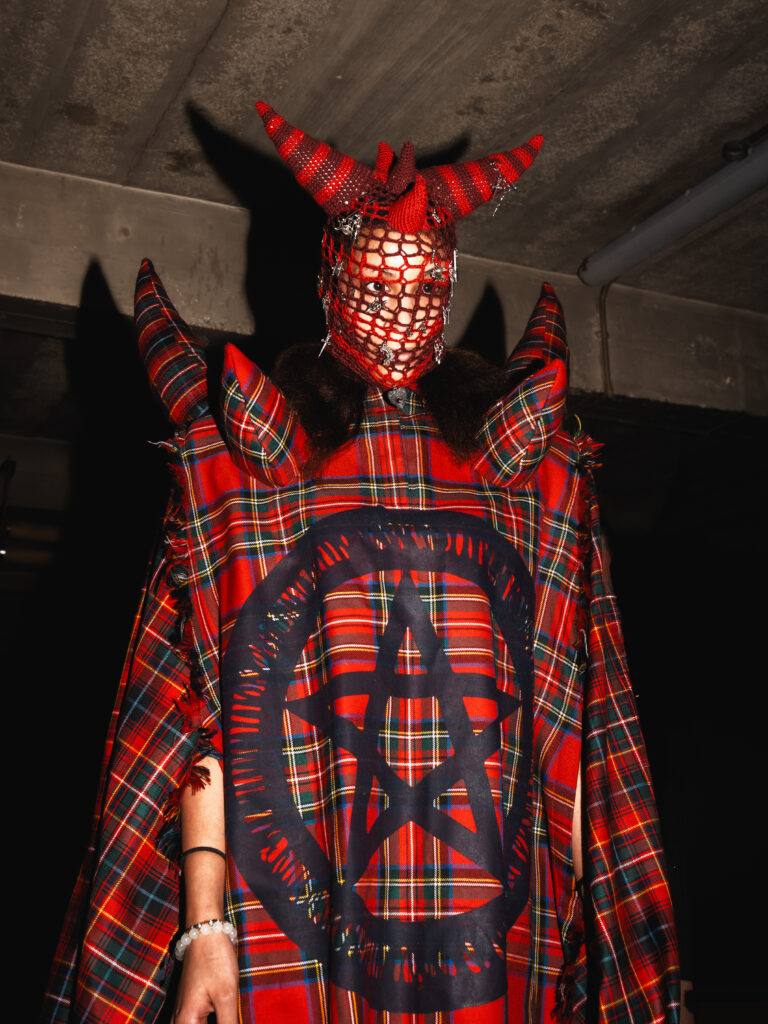
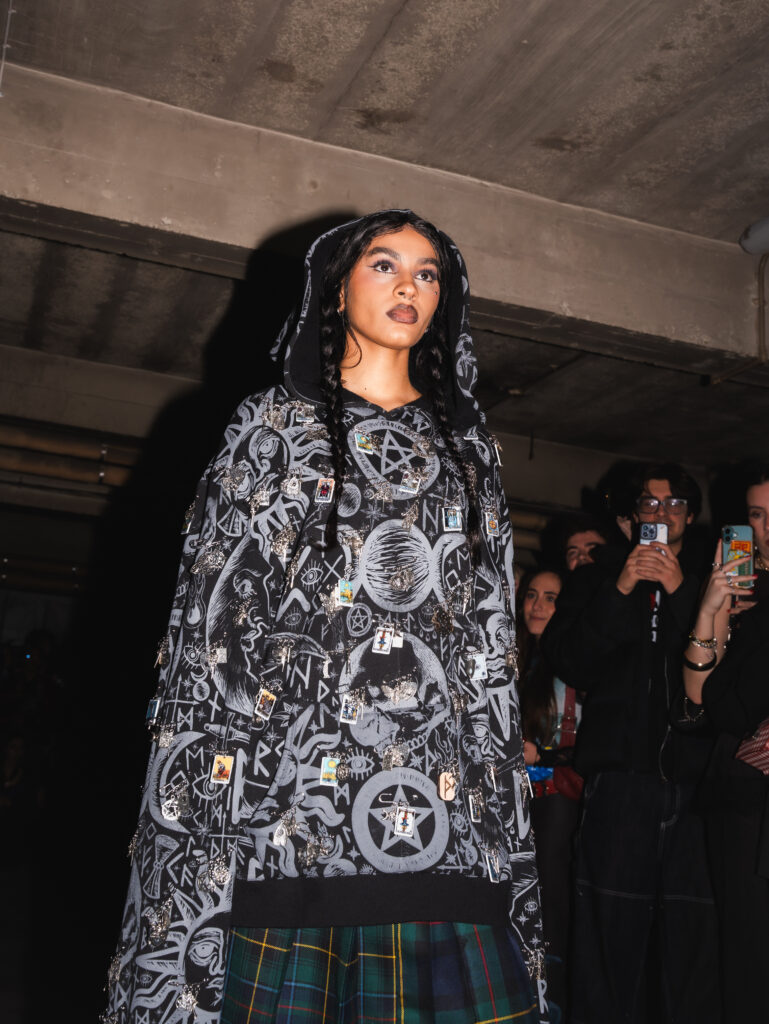
Grace Wroblewski opened with Heretic, a collection exploring our generation’s complicated relationship with religion. Drawing from conservative religious aesthetics while simultaneously breaking away from them, she created a hybrid vision of spirituality that felt both familiar and rebellious. The first model stepped out into near darkness wearing a long black pelerine, crowned with dramatic devil horns and holding a smoking thurible, filling the space with a ritual-like atmosphere. It was haunting, theatrical, and impossible to ignore. Her now-signature crochet balaclavas, fully masking the face and decorated with metal charms, felt like modern relics — protective, anonymous, and quietly defiant. Each look captured the tension between devotion and defiance, reflecting a generation no longer willing to inherit belief systems without questioning them.
Photos by Wiktoria Wolny
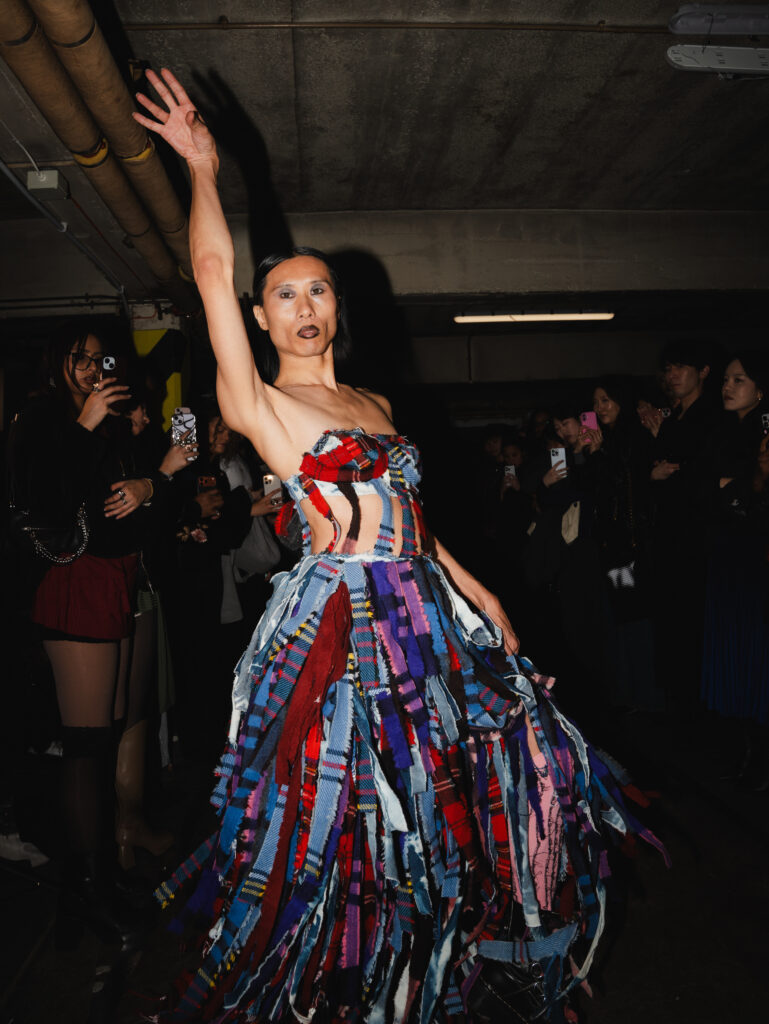
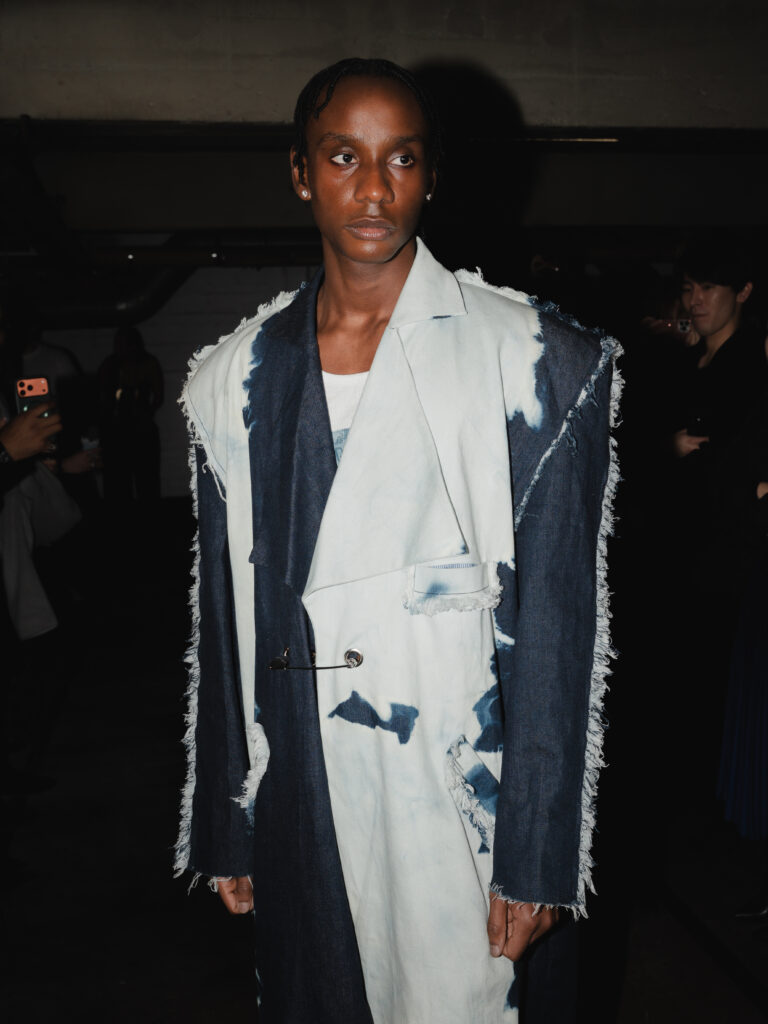
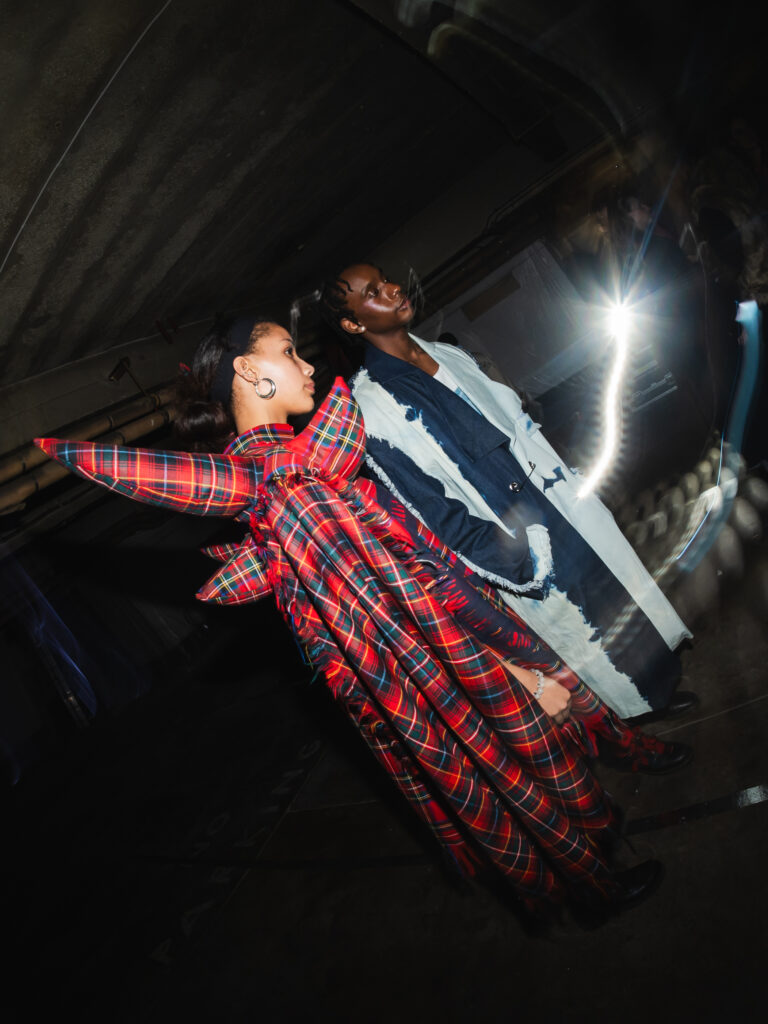
Eli Heijnik followed with a collection that refused to exist within binaries. His designs challenged gender norms and traditional boundaries, using fluid silhouettes and sharp, unexpected structures to provoke emotional response. The clothes didn’t just sit on the body — they created conversation around identity, visibility, and power. In a world that constantly tries to define people, his work felt like a refusal to be defined at all.
Photos by Wiktoria Wolny
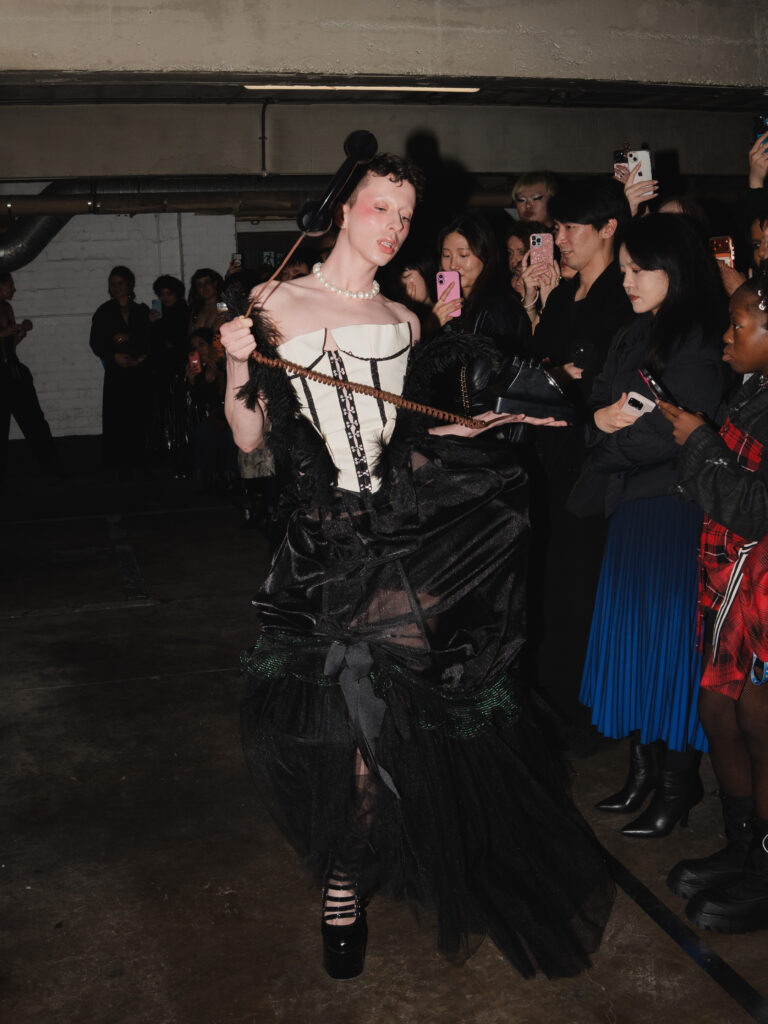
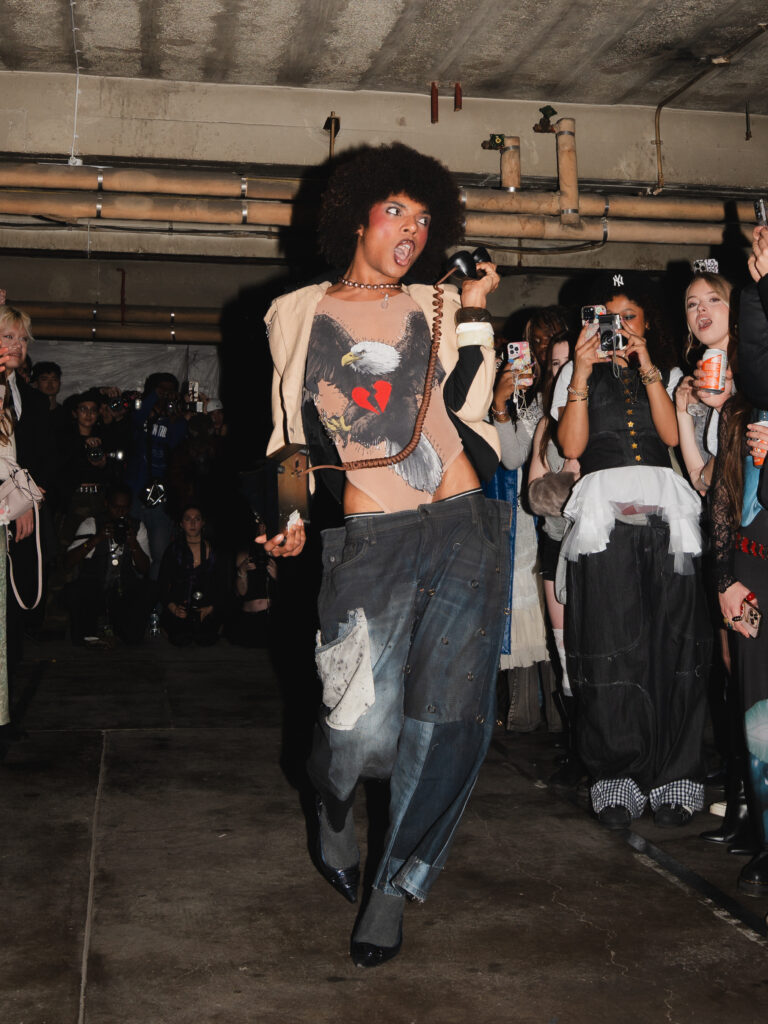
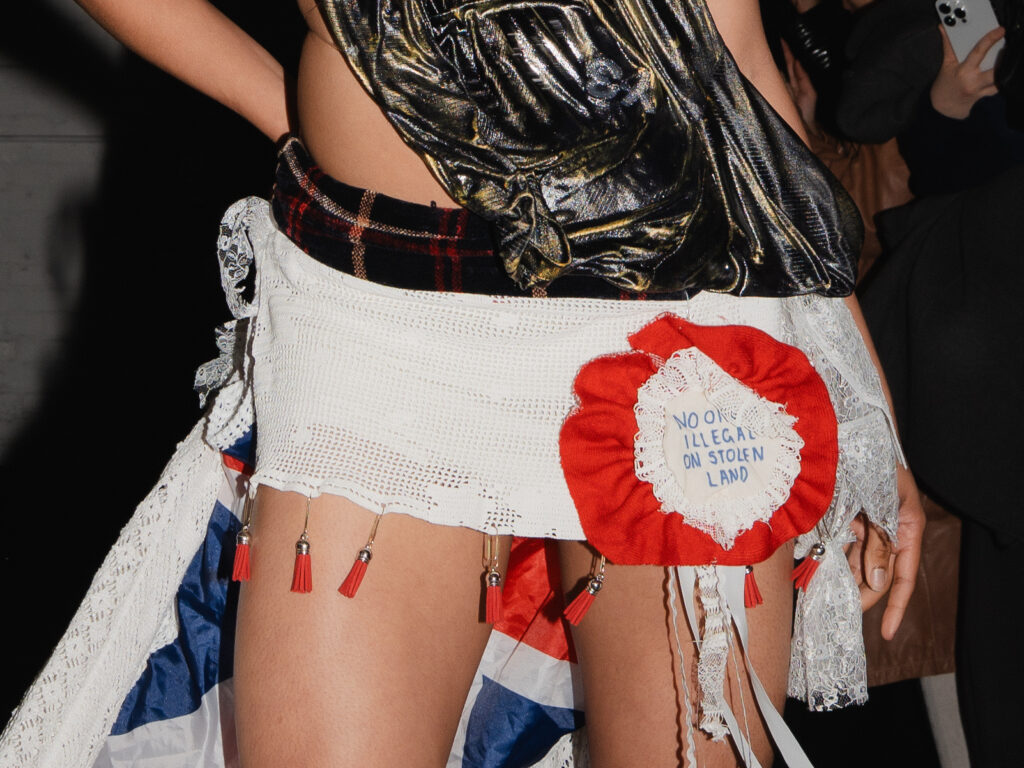
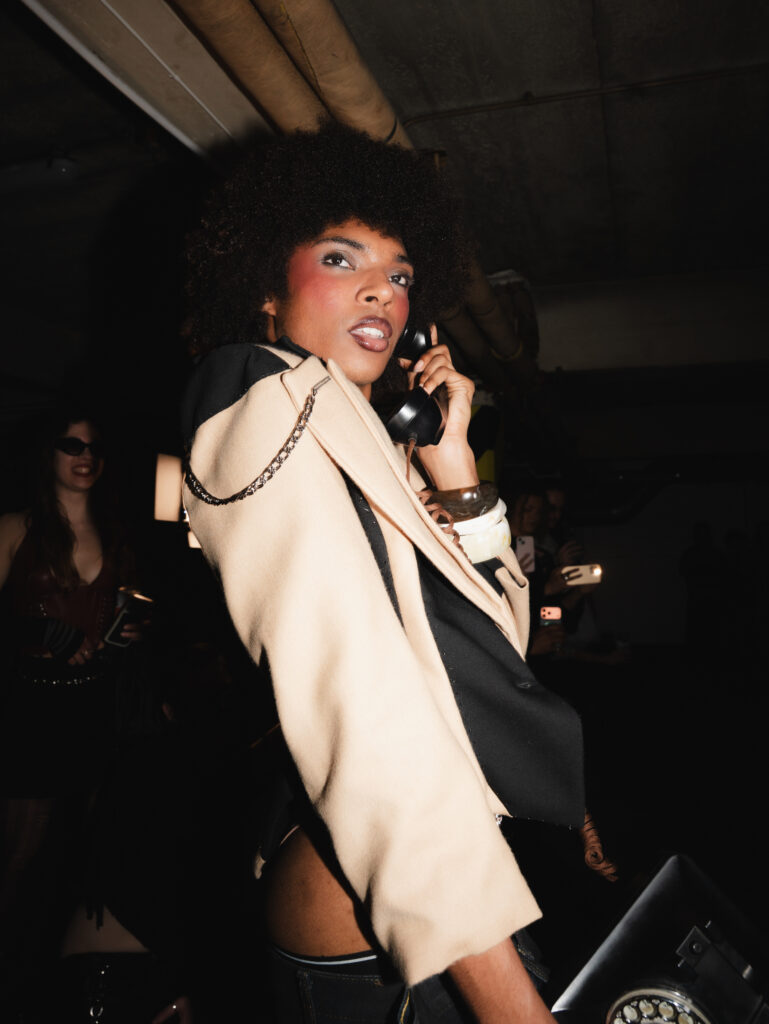
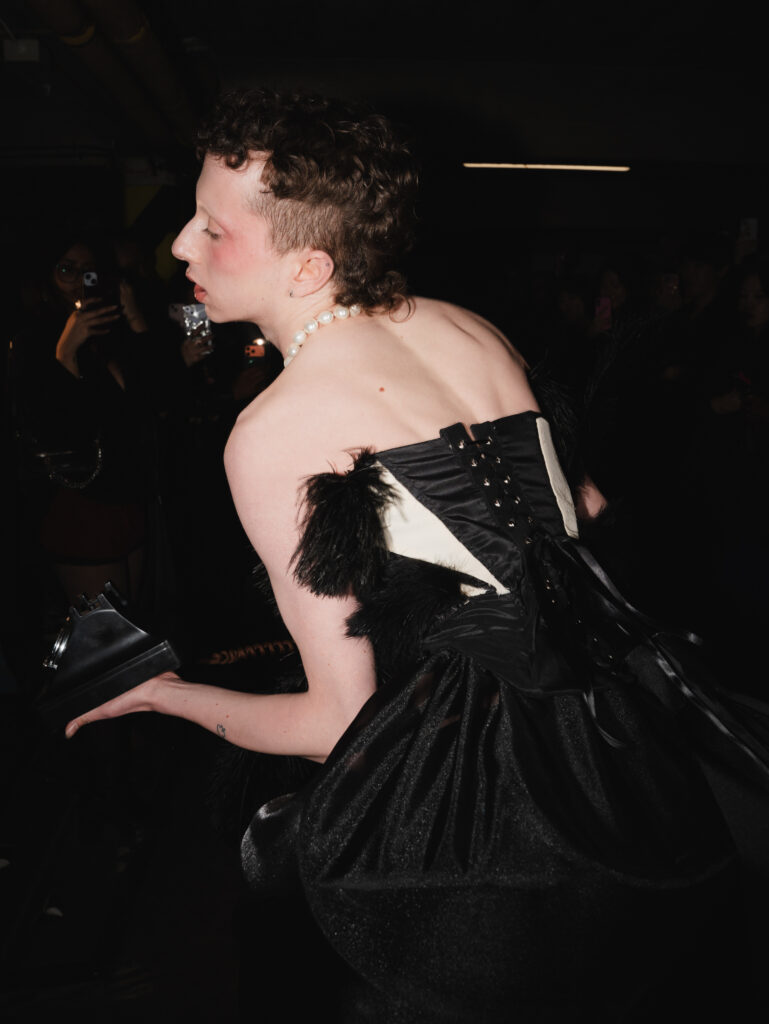
Then came Sarah Salo’s Venom in Bloom, a collection that didn’t ask for permission — it demanded attention. Rejecting patriarchal ideals of femininity, Salo embraced womanhood and queerness in their most complex and emotionally charged forms. Gothic silhouettes and tactile fabrics brought intensity to the runway, making emotion something you could almost touch. The show opened with a model holding a vintage phone to their ear, as the iconic voice of Samantha Jones from Sex and the City echoed through the space: “It’s over, I told my wife!” — “Who is this?” The phone was passed between models as they walked, turning into a prop that felt both playful and symbolic. It was unexpected, slightly chaotic, and completely captivating. By allowing the “venom” within to bloom, Salo challenged the expectation that femininity must be soft, quiet, and controlled, instead presenting visibility as a form of resistance.
Photos by Wiktoria Wolny
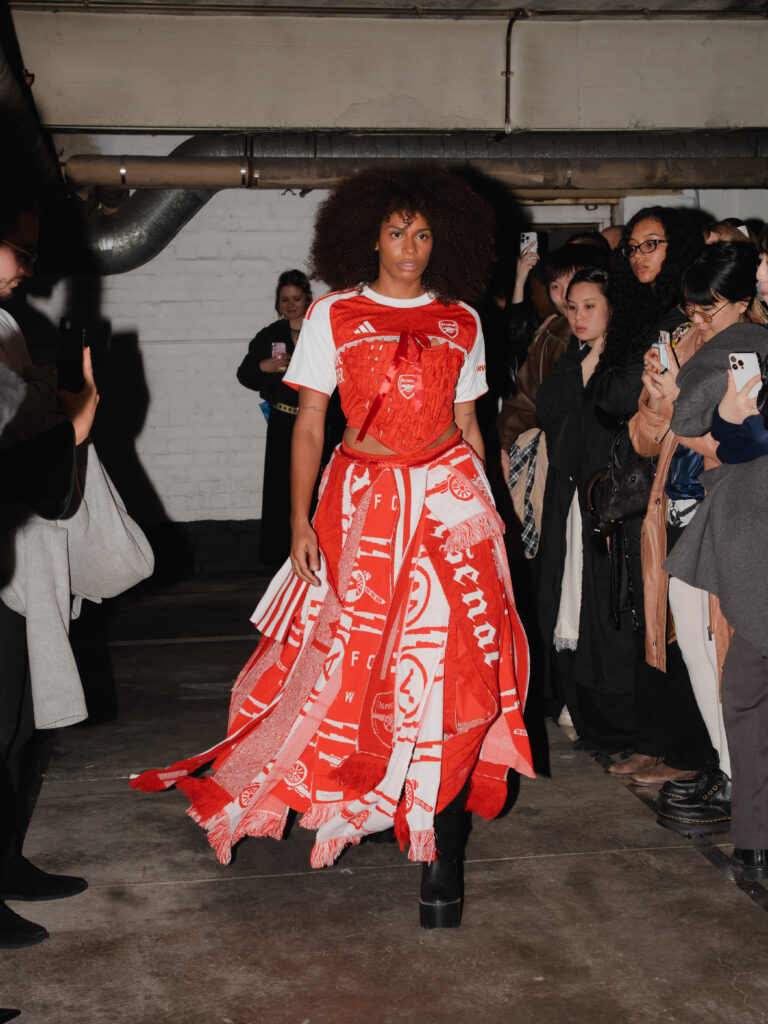
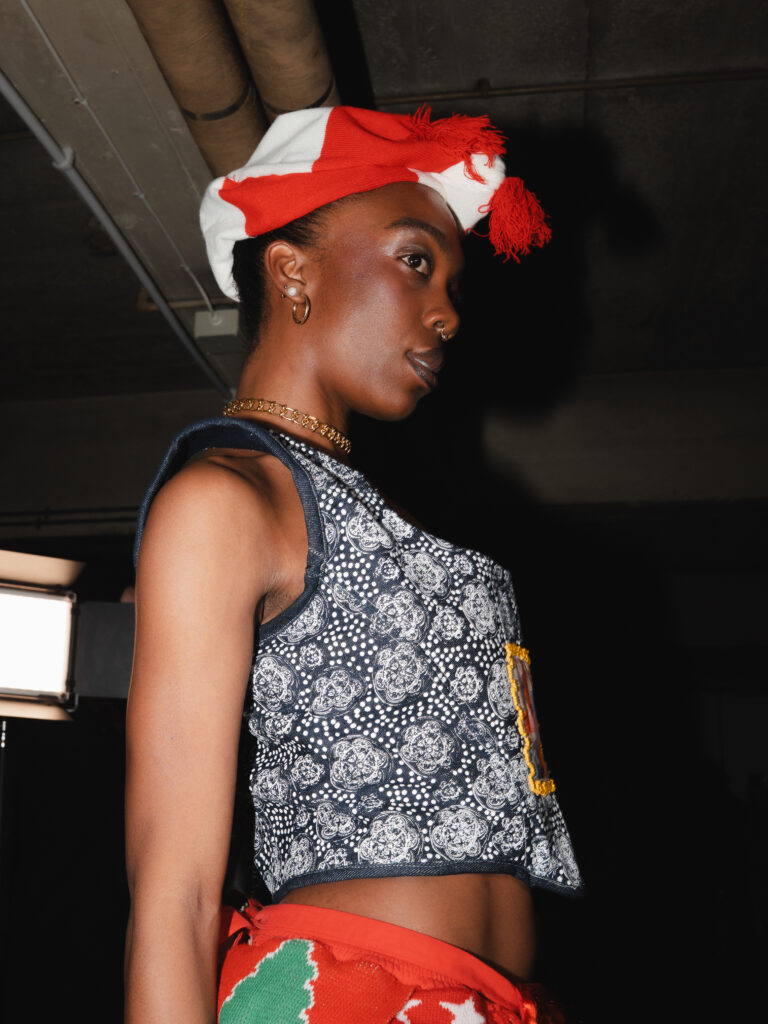
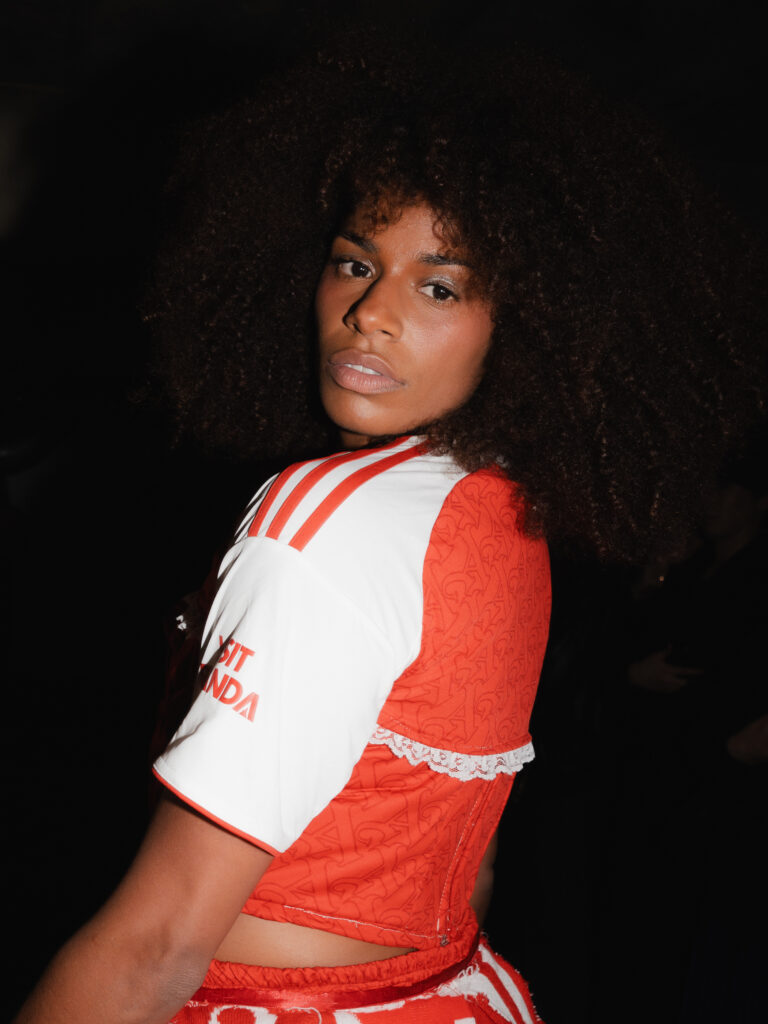
Alicia Glen’s collection brought a different kind of dialogue, merging football fashion with contemporary Zimbabwean silhouettes. Drawing from her mixed heritage and streetwear influences, she blended two worlds often seen as separate into something cohesive and personal. The contrast worked — structured, sporty elements met fluid, culturally rooted forms, creating a collection that felt grounded in identity rather than trend. In a city like London, where cultures constantly collide and reshape each other, it felt especially relevant.
Photos by Wiktoria Wolny
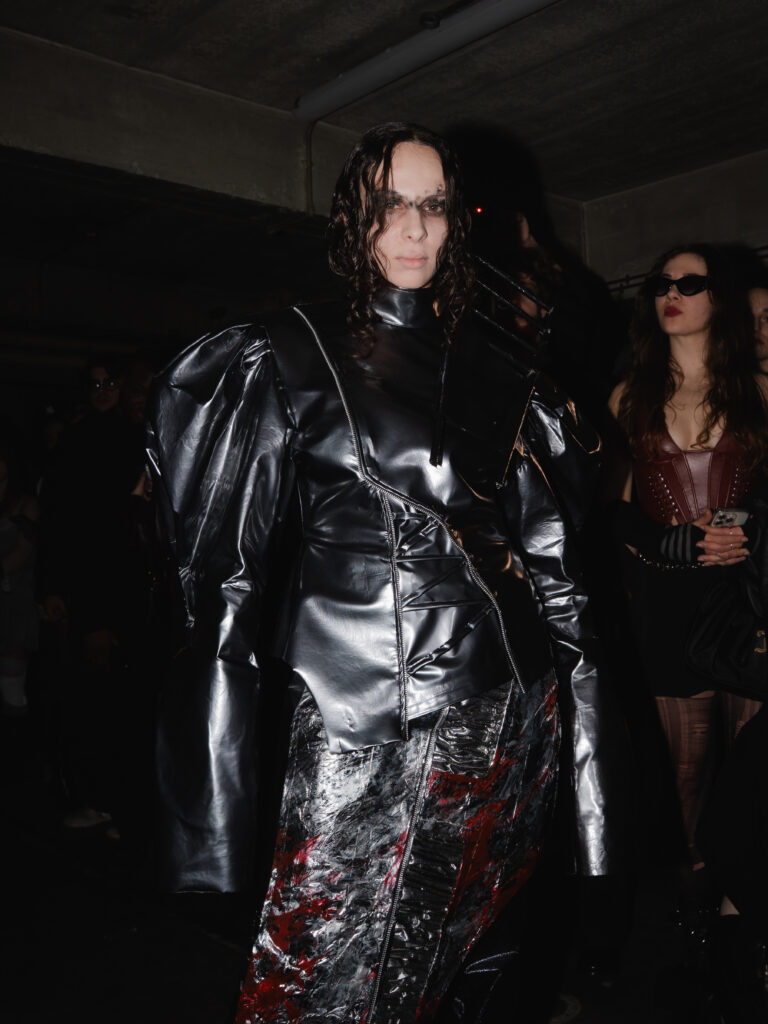
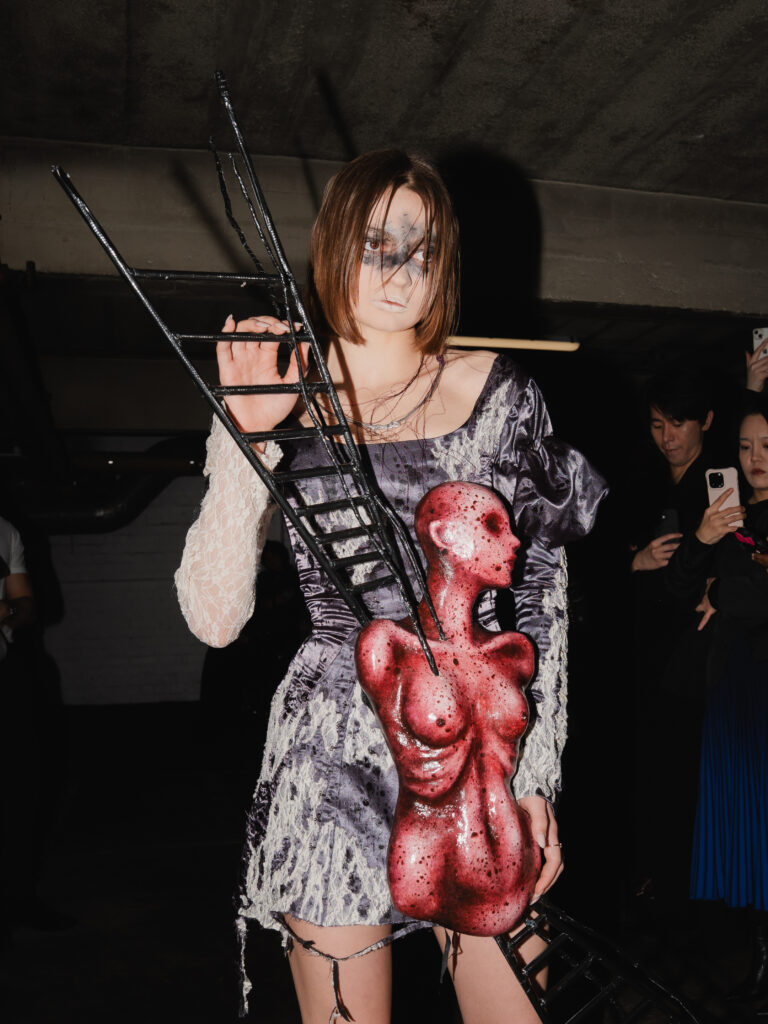
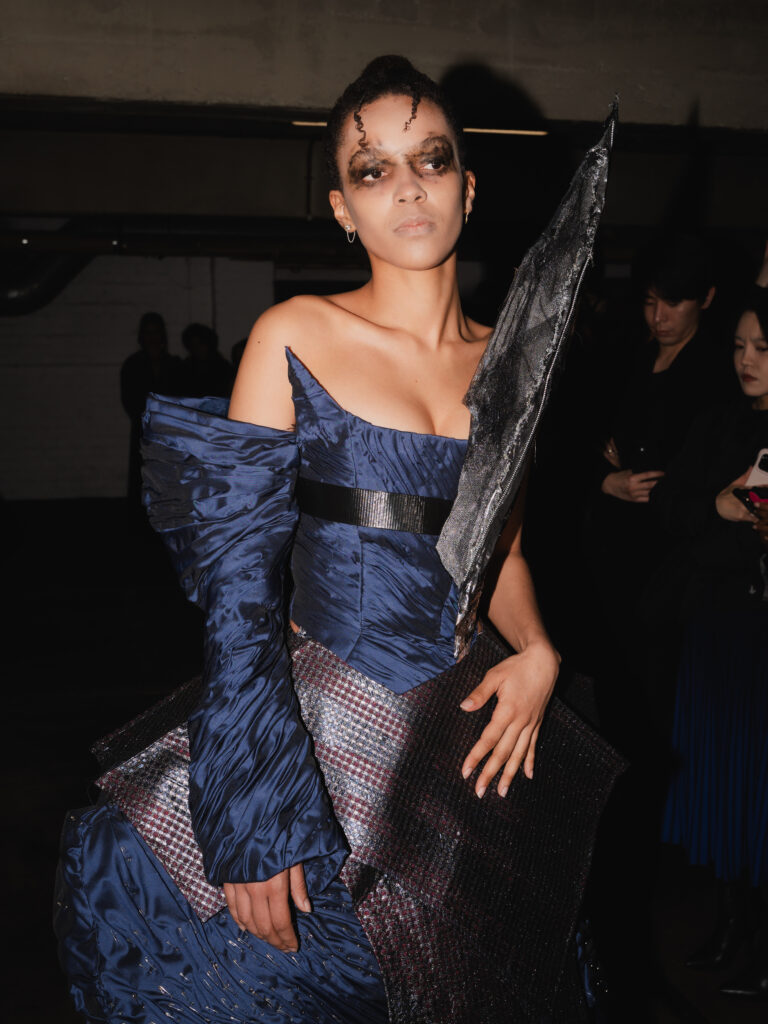
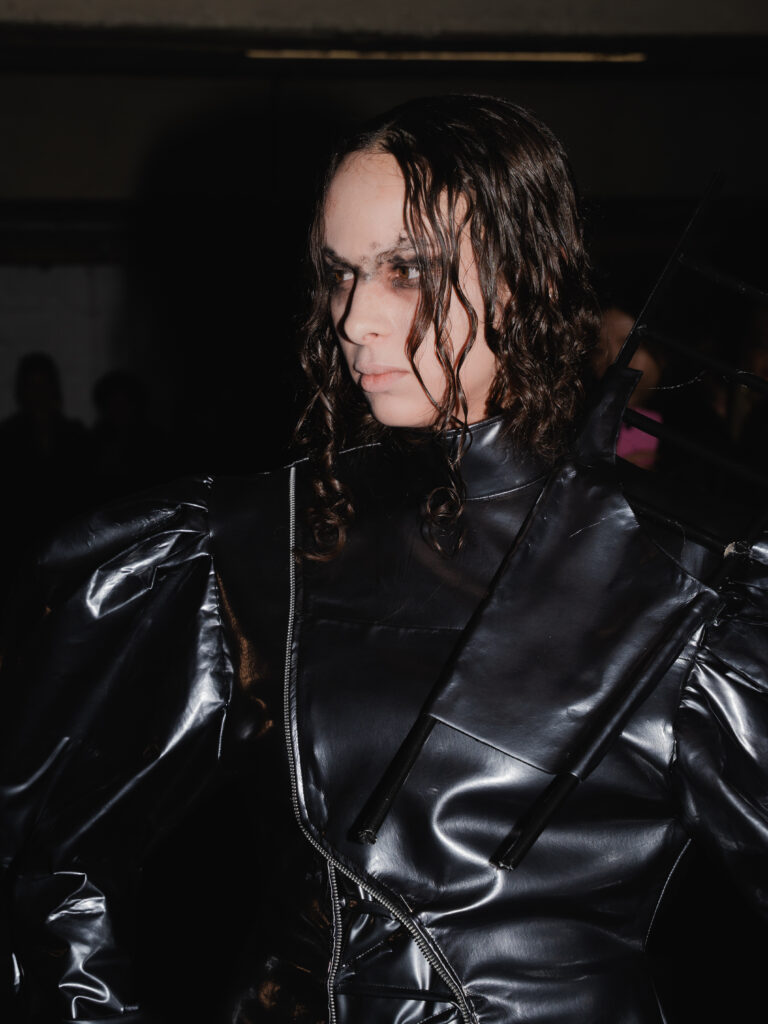
Finally, Sol closed with a collection that pushed the body beyond traditional ideas of beauty. Her soft sculptures resisted the long-standing association between femininity and obedience, instead questioning the systems that attempt to control and define women’s bodies. Through a deliberately grotesque aesthetic, she rejected ideals of purity and perfection, presenting the body as fragmented, hybrid, and unapologetically visible. The pieces were uncomfortable in the best way — forcing you to confront the idea that maybe fashion isn’t meant to always be pleasing. Instead of hiding discomfort, Sol turned it into power, transforming fear and disgust into something expressive and liberating.
Photos by Wiktoria Wolny
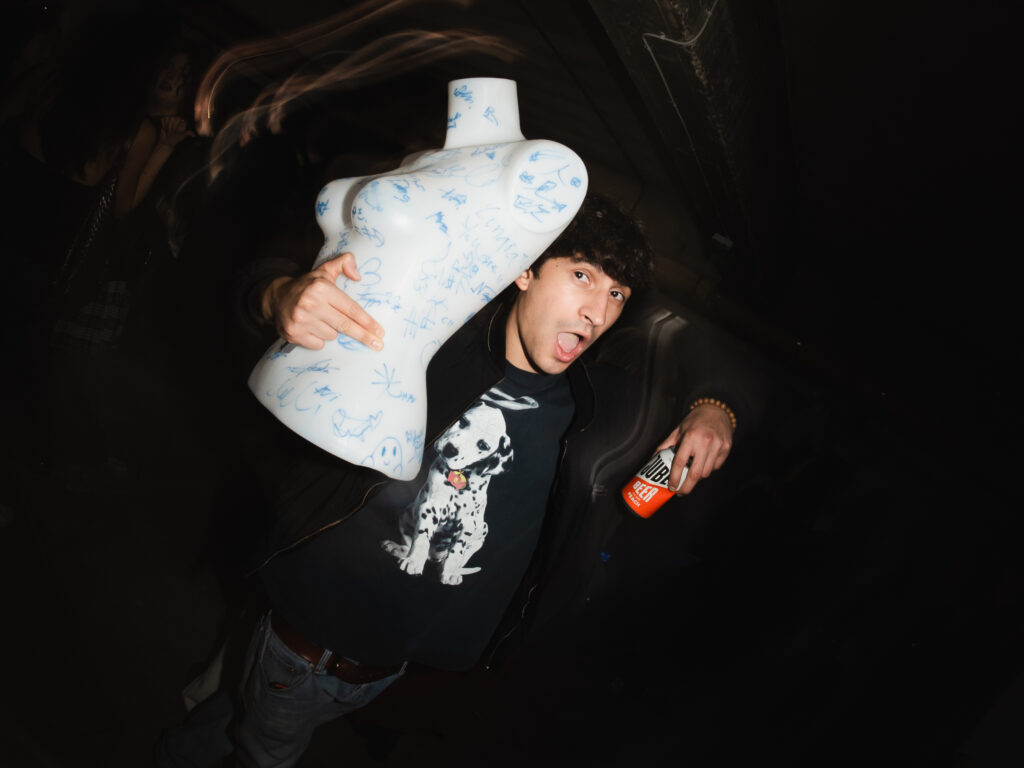
By the time the last look disappeared and the runway dissolved back into a dancefloor, the line between audience and performer had completely blurred. Designers, models, and guests moved together, the energy refusing to drop. And maybe that’s what makes Midnight Runway so different — it doesn’t just show you fashion, it pulls you into it.
Because in a city that built its identity on rebellion, Disrupt didn’t feel like a throwback to punk — it felt like its continuation.
Photos by Wiktoria Wolny