





 The Clearing Album Review
After a lengthy hiatus, Wolf Alice burst back into the alt-rock scene with a 70s inspired record
words by Kate South
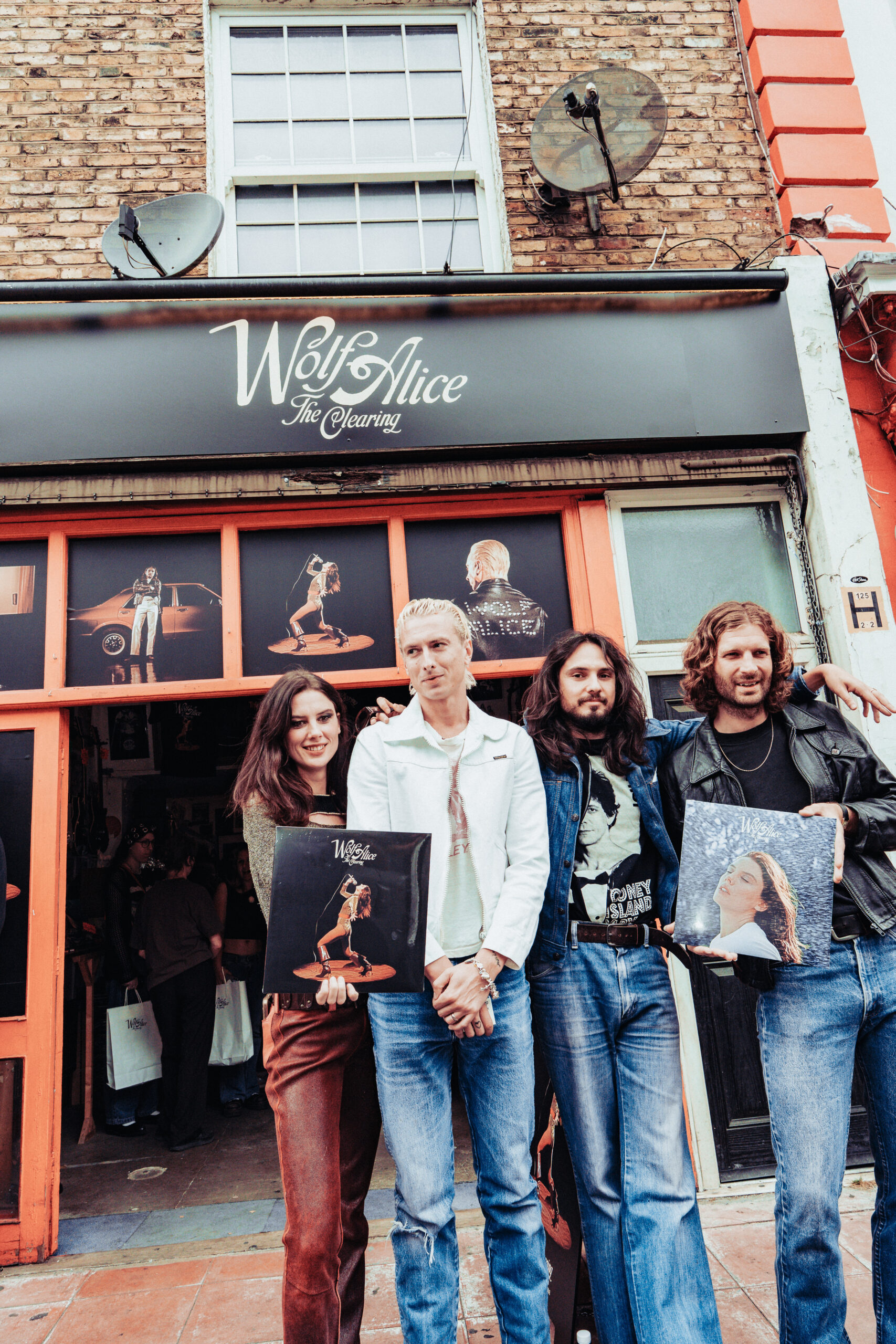
After the synthy dream-pop of Blue Weekend, with its transcendent, tender moments, Wolf Alice have taken a step in a rockier direction with their new album The Clearing. This album comes four years after their previous project. As the band matures, so does their sound: more self-assured, more confident, but still distinctively their own. Having magpied all the best bits of the seventies, the album leans into glam-rock aesthetics, drawing influences throughout the decade from Kate Bush to Queen. The seventies aesthetic has also featured in the vintage colour palette of the tour poster and single covers, which play into the stereotypical iconography of the great British rock bands, visually leaning into the retro feel of the record.
The first track introduces us to their nostalgic, seventies inspired world. The track features string swells and soaring vocals on the bridge that show off Ellie Roswell’s vocal prowess, which continues to shine throughout the album. An equally impressive vocal performance imbued with the glam-rock rasp of Axl Rose is delivered on the second track and lead single, “Bloom, Baby Bloom”. Pairing these tracks as album openers did well to establish the sonic shift from the dream-pop of the previous album to the more rock inspired sounds of The Clearing. “Bloom, Baby Bloom” was a worthy lead single, with a distinctive synth swell toward the end of the track.
“Just two girls” was a highlight for me. The track features conversational lyrics and a sexy, feel-good, arrangement. At one moment, the instrumental texture cuts back to allow us to hear the lyrics “You know the best part is the debrief on the hangover”, an oh-so relatable lyric for any young woman who not only loves a night out with her bestie, but the gossip that comes after. This track, which has all the sonic hallmarks of a love song but subversively dedicated to female friendships, feels like a summer night out in a song. I have it on repeat.
After three upbeat tracks, “Leaning Against the Wall” is more synthy and slower in its chorus. The track is a folky love song with a decidedly Fleetwood Mac flare. We stay in the same musical world for the following track “Passenger Seat”, with multi-tracked harmonies and driving acoustic guitar. To complete this calmer trio, we are treated to a piano ballad with “Play it Out”, with Roswell reflecting on her ‘biological clock’ and the pressure it can bring. Echoing the ABBA piano ballads, the track is tragic, tender and ends with a haunting nursery-rhyme-esque waltz, reflecting the lyrics.
These moments of calm are then followed up with another highlight of the record, as the midpoint of the album is picked up in pace by a Queen inspired glam-rock song, complete with a melodic guitar solo and glissando keys. “Bread Butter Tea Sugar” features an arena filling chorus, with a track that fully leans into campy rock troupes. While the album is seventies inspired, that’s not to say the album feels like a pastiche or outdated. There is a modern twist to their sound, that especially comes out in the crashing production toward the end of the track. The tight production of the album, masterminded by Greg Kurstin, allows Wolf Alice to explore various genres without losing the band’s distinctive sound, preventing the seventies inspired world from veering into a pastiche.
The second half of the album features a few more ballads, but “Midnight Song” feels particularly haunting with its emphasis on acoustic guitar and whispery vocals. There is an instrumental which features call and response between the violin and cello, giving the piece that baroque-pop feel of some of Kate Bush’s discography. The piece feels transcendent. The layered harmonies in the vocal line are beautifully arranged, and the more soprano vocal style becomes a welcome contrast to rocky rasp of earlier tracks, demonstrating Rowsell’s range.
Joel Amey takes the lead vocals on “White Horses”, the penultimate track. This number feels like one of those tracks on an ABBA album where Bjorn takes the mic. It’s still a great song but fails to live up to the soaring vocals of Rowsell. However, when Rowsell starts to sing the track bursts to life, with the pre-chorus especially being so evocative of those late seventies pop-rock sounds.
Then we come to “The Sofa”, the final track on the album. The lyrics, “I can be happy, I can be sad, I can be a bitch when I get mad” speak to the contradictions that being more settled can often lead to and the restlessness that comes from not wanting to “be one thing”. Roswell’s vocals are a highlight of the album, but they really shine on this expressive, introspective anthem, especially during the climax toward the end of the song. It’s the perfect album (and concert!) closer.
It is no doubt in my mind that this album deserves to be met with critical acclaim. This is a mature, rocky record that refuses to conform to any one genre, inspired by the sounds of Axl Rose, ABBA and everything in between. The sky is the limit for Wolf Alice, who have proved with this record that they are the best of British alt-rock.