





 Culture Wars Interview
Culture Wars’ Alex Dugan: “We Kind of Had to Fail to Be Successful”
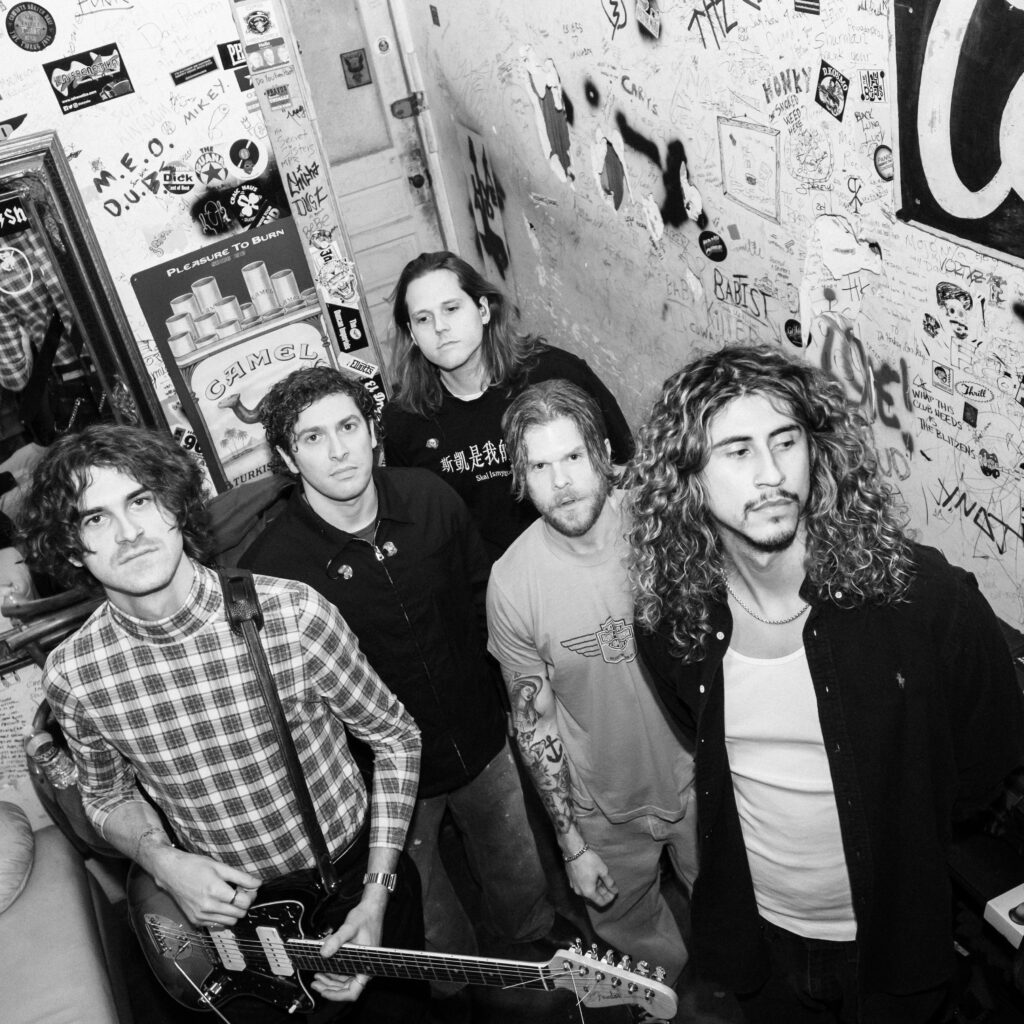
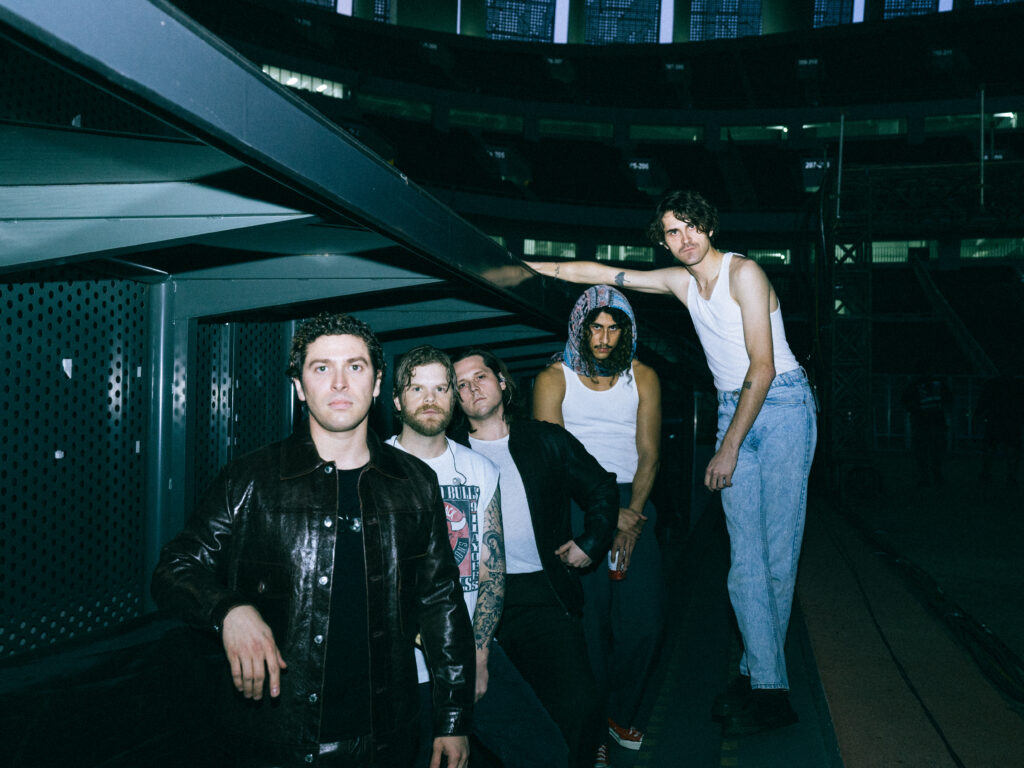
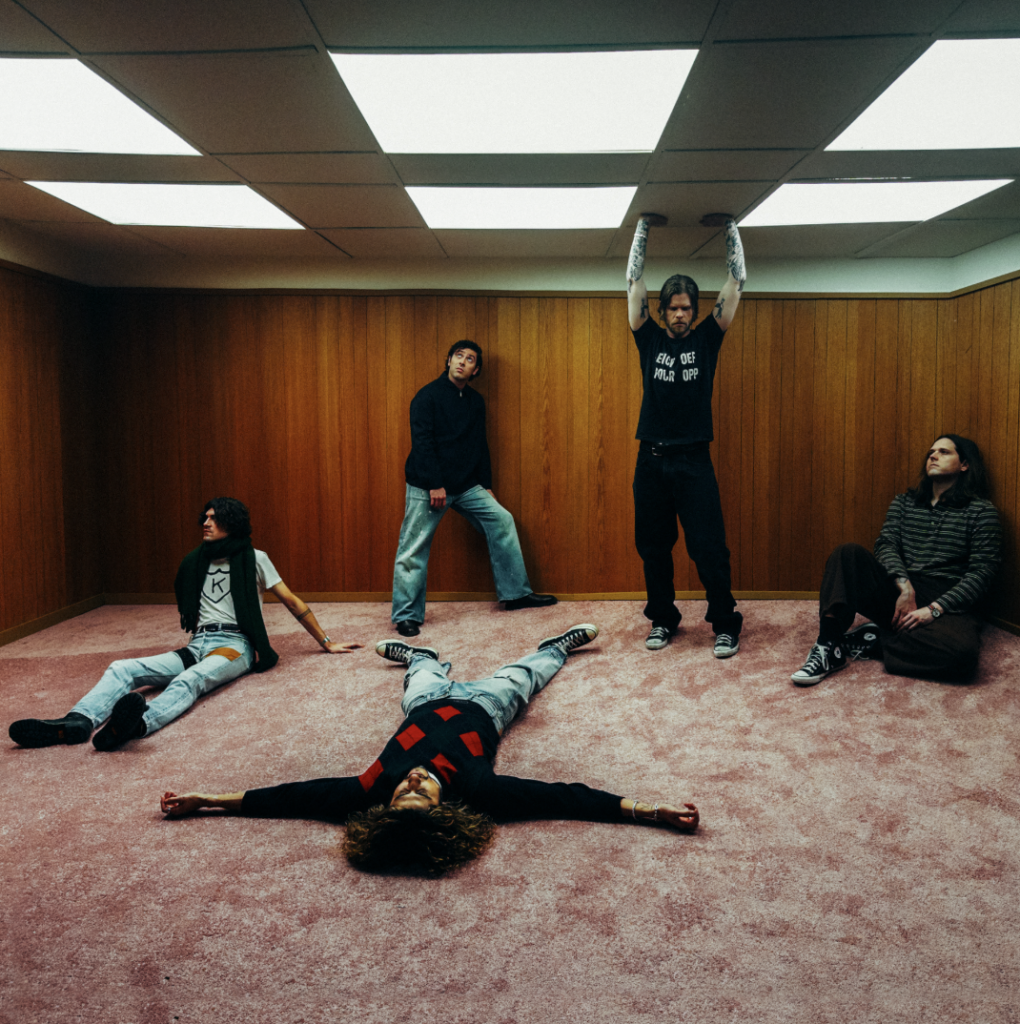
After years of writing, rewriting and figuring things out, Culture Wars have finally released their debut album: “Don’t Speak”. Frontman Alex Dugan talks about growing up, learning from mistakes, the band’s surprisingly wild reception in Poland and why he thinks the music industry has become too obsessed with going viral.
words by Kasia Krawczyk
Making a debut album can be a long process. For Culture Wars, it was also a period of growing up, making mistakes and working out what kind of band they wanted to be.
Now that Don’t Speak is out, frontman Alex Dugan is starting to see the results. The band are playing bigger shows than he ever expected, touring internationally and watching their audience grow. But rather than getting carried away by the excitement, he seems more aware than ever of what comes with it.
“There’s all these people who have spent money, put a lot of time into the record,” he says. “All they want to do is hear the music, and so it’s like, alright, well, I need to do this correctly.”
It’s a surprisingly practical way of looking at what should be an exciting moment. But for Dugan, playing live has made the whole thing feel much more real. There are people buying tickets, travelling to shows and spending their evenings listening to songs the band spent years putting together. He wants to make sure they get what they came for.
That sense of responsibility also reflects how much his own life has changed since work on Don’t Speak began.
“When I started the album, I was in a very weird place in my life,” he says. “Now I am married, and I have a kid, and I wake up at, like, six in the morning to go to the gym.”
It’s quite a contrast, and one that ended up shaping the record without necessarily being part of the original plan. Looking back, Dugan can hear the changes in himself across the songs. Some were written in the middle of difficult experiences; others took years to finish, giving him time to understand what he had actually been going through.
One of the clearest examples is “Typical Ways,” which he describes as an angry letter to his younger self.
The music came together almost immediately, but the lyrics were a different story. Dugan sat on them for four years, and in that time, his perspective on the song changed completely.
“Dylan had all the parts, the guitar parts. I sang everything to it immediately, but then I sat on the lyrics for four years,” he explains.
When he first started writing it in 2019, the song was coming from a very different place. At the time, Dugan was writing about addiction in a way that, looking back, he no longer related to. Four years later, the lyrics had taken on a new meaning.
“When it started, it was more of a, ‘How cool is it to be an addict?’ And then later, four years later, it’s the opposite of that,” he says. “You’re looking back on it, and you’re like, ‘Oh my God, I can’t believe I used to do that.’”
He needed to get out of that period of his life before he could write about it properly. Releasing the song with its original lyrics would have missed the point entirely.
“I just think that’s what made it relatable,” he says. “I don’t think anyone wants to hear about how cool it is to be addicted to things.”
It’s a good example of how much can change between writing a song and deciding it’s ready for other people to hear. Sometimes, the feeling that inspires a track isn’t enough on its own. You also need to understand it.
That doesn’t mean Dugan always prefers to look back on things. “Lies,” which deals with heartbreak and losing trust, was written much closer to the emotions that inspired it. “Tokyo,” meanwhile, came together on the road, in a hotel room, with Dugan writing in the moment.
“I guess I’m more of an in-the-moment kind of guy, if I think about it,” he says. “But it certainly helps to think through it.”
For the most part, the songs are personal, even if the experiences behind them aren’t always recent. Occasionally, he finds it useful to put a little distance between himself and the story. Otherwise, people might start asking questions.
“I love when my in-laws call me and ask me about lyrics,” he says, laughing.
Thankfully, he assures me, they’re very relaxed about it.
“They’re sweethearts.”
Culture Wars have spent the past few years playing alongside bigger artists, including Maroon 5, and have now moved on to their own headline tour. It’s given them plenty of opportunities to watch how other bands do things — and to figure out what they want to take from those experiences.
Dugan says the whole band, including the crew, are constantly paying attention to the details, from setting up the stage to working out how one song should lead into the next.
“We learned a lot on how to build a show, and so that was helpful,” he says.
But one of the biggest lessons has been about taking the job seriously. A concert might be a fun night out for the audience, but there’s a lot of work behind it, and a lot of people depending on everything going smoothly.
“You’re playing these stadiums or arenas or whatever, and there’s all these people,” he says. “Everyone has a job, but you’re also there doing this for other people.”
That realisation has changed the way he approaches performing. He doesn’t want to turn up and simply get through the set. He wants to give the audience a show worth the time and money they’ve put into it.
For Dugan, that has meant making a few practical changes, including not drinking before performances.
“Not the most fun, but that’s fine,” he says.
He still enjoys a drink after the show, but avoiding alcohol beforehand has made a difference to his voice. These days, he approaches performing more like an athlete preparing for a game.
“I can’t just, like, show up and mumble into a microphone,” he says.
It’s a fairly straightforward philosophy, but it seems to be working. The band are playing to increasingly bigger audiences, and their latest run of shows in the US is selling three to four times as many tickets as the previous one.
The growth hasn’t depended on one enormous hit or a moment when the entire internet suddenly decided to pay attention. Instead, it has happened gradually, through touring and finding people who connect with the music.
And judging by the band’s first show in Poland, those people can get pretty loud.
I ask Dugan whether he’s noticed a difference between audiences in the US and Europe. He says he expected European crowds to be enthusiastic, but Poland was something else.
“I always knew European audiences would be better, and Poland was by far a jump above pretty much everybody,” he says.
The response clearly caught him off guard.
“It was kind of like, ‘Whoa, okay!’”
It’s a lovely thing to hear, particularly from a band still introducing themselves to audiences in different countries. Dugan says people are still discovering Culture Wars, but the reaction in Europe has often been especially intense.
Interestingly, American audiences have also surprised him. Fans have been singing along, getting louder and becoming more involved in the shows.
“I don’t know if it’s an US thing,” he says. “I don’t really know what it is, and I won’t try to dissect it too much.”
Whatever the reason, the band are seeing the results. Their audience is growing, and Dugan is optimistic about where that could take them next.
The goal, he tells me, has always been Wembley Stadium.
It’s an ambitious one, but he isn’t getting ahead of himself. The plan for now is to keep touring in 2027 while working on the next album. If Don’t Speak has helped the band make this much progress, the hope is that the follow-up will take them another step forward.
“We’ve learned that you don’t need to have a mega single to grow rapidly,” he says.
For a band operating in an industry that seems to demand an instant breakthrough, it’s an encouraging perspective. Culture Wars are growing without needing to pin everything on one song, and Dugan wants to keep it that way.
“We just gotta do one of these and just keep running,” he says.
Of course, building a career in music isn’t as simple as writing good songs and playing shows. These days, there’s another question hanging over almost every emerging artist: how do you get people to notice you?
Social media is often presented as the answer. In theory, anyone can upload a song, find an audience and go viral without needing a record label behind them. Dugan isn’t convinced that this is how things actually work.
“No, that’s not how it works,” he says.
He argues that the music industry has always found ways to favour certain artists, and social media has simply created another way of doing it. Rather than taking chances on new bands, he believes labels increasingly want to work with people who have already built a following online.
“They want to sign people who already have an audience. They don’t want to do any discovery. They don’t want to do any work.”
His frustration is less about social media itself and more about what happens when the numbers become more important than the music. If the priority is finding someone who can generate views on TikTok, where does that leave a band that needs time to develop?
“Every label is just like, ‘We’re trying to get something to go viral on TikTok,’” he says. “And none of it has anything to do with music.”
He doesn’t think making money is the problem. Artists need to make a living, and labels need successful records to keep investing in music. What bothers him is the idea that artists should be expected to figure everything out on their own, without the support that record companies are supposed to provide.
“If you find a great band and you make a lot of money, great, that’s the point,” he says. “That’s what enables everything else.”
It’s a fair distinction. There is nothing wrong with success; the question is how artists get there, and whether the industry is still willing to help them along the way.
Culture Wars’ own story makes a case for taking the longer route. Don’t Speak wasn’t written in a week, and the band didn’t get here without playing songs that didn’t work, making mistakes and learning from them.
Dugan says he wouldn’t change that process.
“We kind of had to fail to be successful,” he says.
Some of the strongest songs on the album came from that second round of writing, after the band had spent time playing material that ultimately didn’t make the cut. Without those experiences, he doubts the record would have been as good.
His advice to his younger self would be simple: patience.
It’s a lesson that applies to more than songwriting. The band are still figuring things out, still learning from every tour and still working towards the stadium shows Dugan has always dreamed of playing. There’s no guarantee that everything will happen exactly as planned, but for now, the progress speaks for itself.
And if he does eventually find himself playing Wembley, he’ll have plenty of time to think about what comes next.
Before we wrap up, I have one final question for him: are Culture Wars stars or freaks?
Dugan laughs. He’d like to think of himself as a star, although he admits his mum might be the only person who agrees.
“More of a freak,” he says.
It’s not necessarily a bad thing, though. He puts it down to his attention to detail, which he considers essential to what the band do.
“Of course I do,” he adds. “I’m a freak.”
Maybe that’s the point. Culture Wars might be playing bigger rooms and reaching more people, but Dugan still sounds like someone more interested in getting the details right than worrying about being a star. For a band whose success has come from steady progress rather than one overnight sensation, that attitude might be exactly what gets them to the next stage.