






 Turning Of The Seasons Review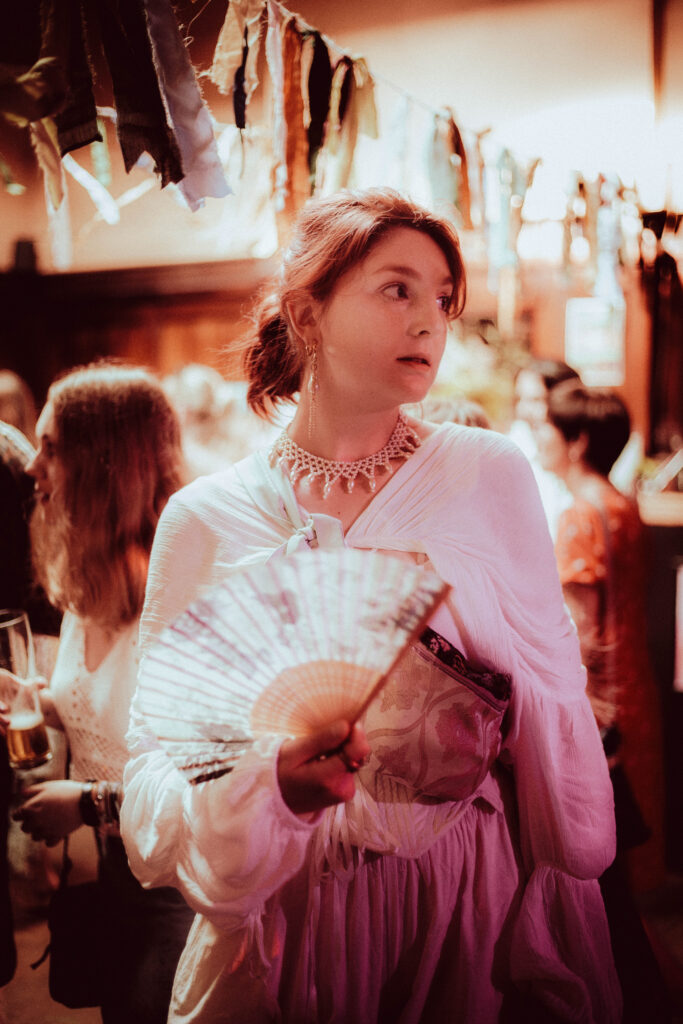
Songs of The Summer Solstice – The Ivy House London 21/06/26 Interview & Review
words & photos by David Jeffery-Hughes
The modern landscape of London nightlife is often a clinical affair: too expensive, isolated, and increasingly ditched for digital home comforts. Yet, stepping into the timber-lined interior of The Ivy House on a scorching hot summer day, a visitor gets a distinct sense that a quiet counter-revolution is taking root. This is the home of the Summer Solstice edition of Turning of the Seasons, a seasonal folk series curated by Florence Rose Broomfield that is fast becoming a popular fixture of London’s folk music scene.
What began as a completely organic endeavor has quickly blossomed into a mainstay of the city’s underground acoustic community. “It really just started because I wanted to put on a night where I could play my own music,” Broomfield explains, reflecting on the event’s humble beginnings. “I had started writing these new songs and wanted to perform them in a space that felt more folky—something a bit different from the usual London nightlife. It was right as winter was ending, so I called it ‘Songs of the Spring Equinox’ and invited some of my friends who also make folk-style music to play. It was completely intended to be a one-off!”
The city’s appetite for genuine connection, however, had other plans. “Then it just naturally evolved,” Broomfield laughs. “I thought, well, why don’t I do it for the Summer Solstice? Why don’t I do it for the Autumn Equinox? It just grew from there. Now, I don’t even perform at all of them, though I am playing tonight, but I actually kind of prefer the nights I don’t play because I just get to sit back and enjoy it.” It is the ultimate organizer’s perk: creating the exact event you’d genuinely want to attend yourself.
This craving for unmanufactured community points to a larger cultural shift. Across the UK, a massive resurgence in folk-style gatherings is pushing back to the surface, driven by young people discovering a cure for social isolation. When asked if this revival is merely an aesthetic Instagram trend or something deeper, Broomfield offers a nuanced perspective.
“I honestly think it’s a bit of both,” she says. “For our events specifically, my background is in set design and I also work in fashion, so we put a massive emphasis on the visual aesthetics. It’s a complete world-building exercise for us. That aesthetic naturally translates really well to Instagram, which is how a lot of people find out about us in the first place. But while the visual might attract them, the hope is that when they actually arrive, they feel how genuinely nice the atmosphere is. The crowd that comes out to these nights is just so sweet.”
For Broomfield, the internet is not the enemy of tradition, but its modern gateway. “Folk music has always been here if you knew where to look for it, but someone like me didn’t grow up with it. I grew up right around here in South London and had to discover this world online. I think the resurgence is happening because the internet has made these niche communities so much more accessible. It pushes people to experience things outside of their usual comfort zones. The irony is that the traditional folk scene itself really isn’t digital at all—a lot of traditional folk people actually dislike social media!”
This creates a fascinating paradox. In an era where online algorithms act exactly like the traditional folk word-of-mouth networks of old, Turning of the Seasons balances high-concept curation with fierce independence. The evening’s lineup is a testament to that eclectic vision.
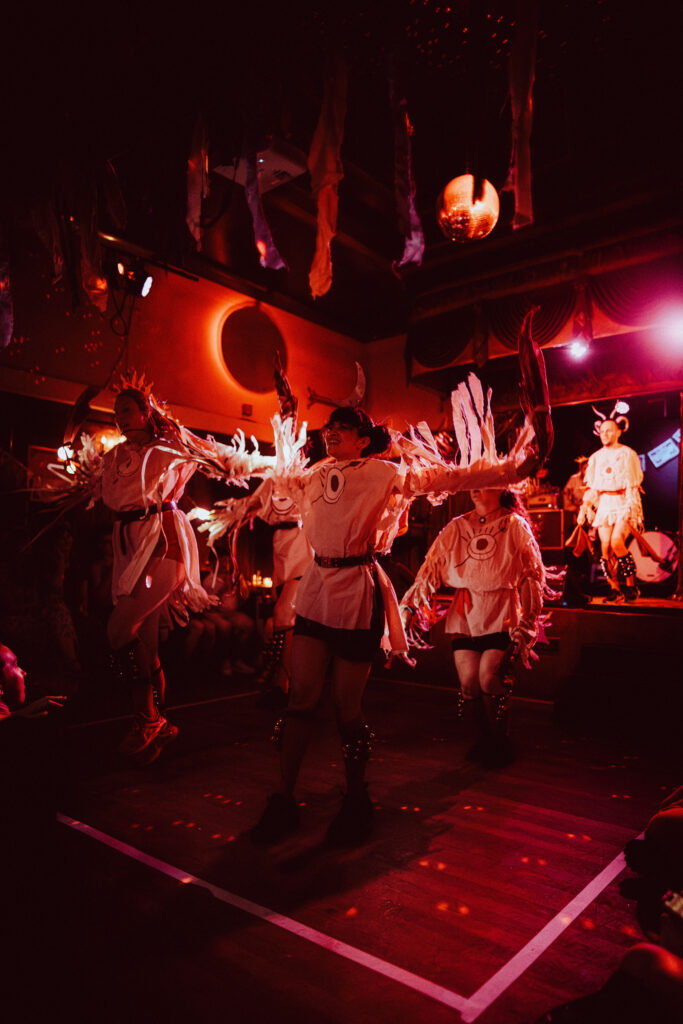
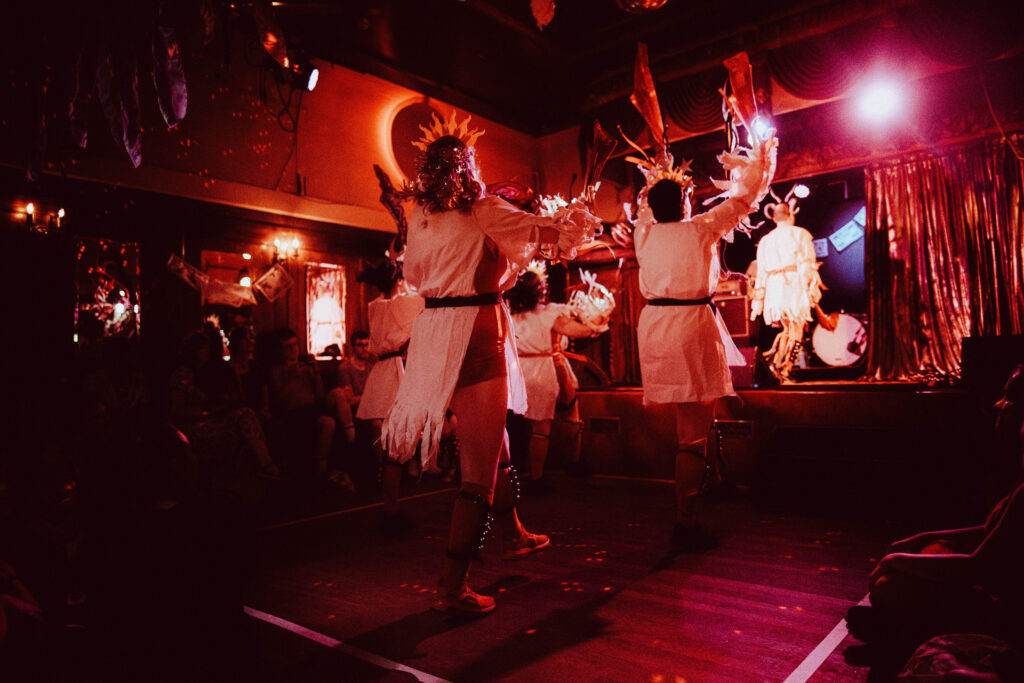
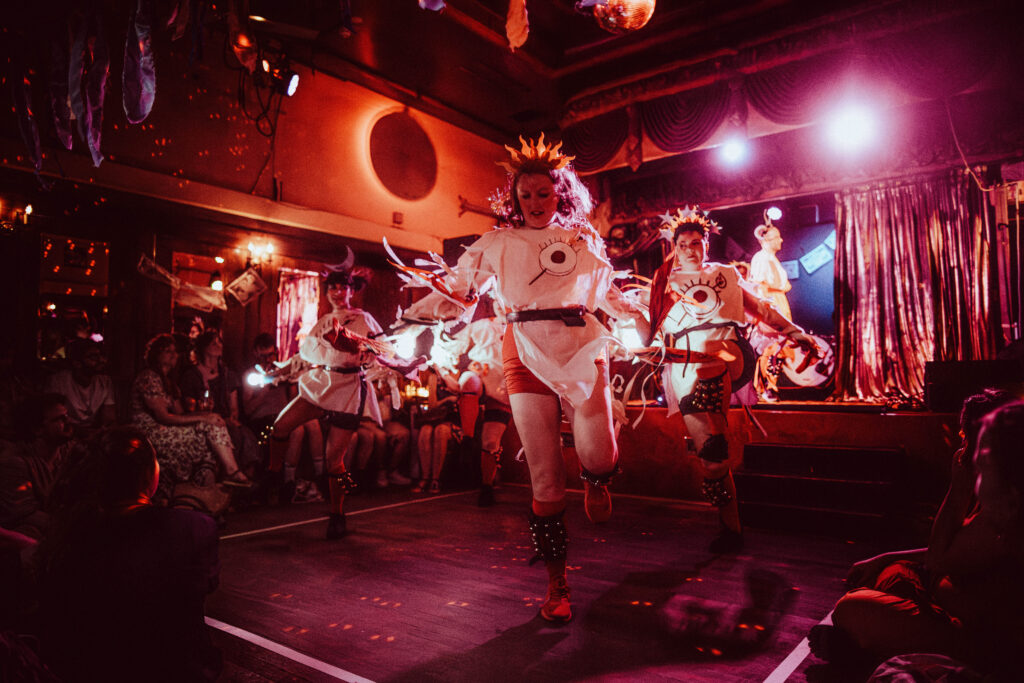
“I love absolutely everyone on the bill tonight,” Broomfield says proudly. “We have Anna, an incredible harpist who played our very first Spring Equinox event, and I was so desperate to have her back. And the group soundchecking right now is The Weird Sisters; they’re a Morris dancing troupe, but an entirely queer, alternative Morris dancing group. I was so excited to get some Morris dancing involved tonight.”
The event’s reputation has grown to the point where artists are now actively seeking out the platform. “The Midnight Ramblers messaged me asking to play,” Broomfield notes. “I have a few quite sad, slower acts tonight, which mirrors the kind of music I write, so I wanted to balance it out with something a bit more upbeat and traditional. They fit that bill perfectly.”
Central to the ethos of the series is how strictly each gathering mirrors the natural world, adapting its energy to the time of year. For this Summer Solstice iteration, Broomfield deliberately tuned the curation to feel “a lot lighter and warmer,” utilizing the vibrant energy of the Morris dancers to capture the essence of high summer.
It is a stark contrast to their colder gatherings. “I actually change the layout and always do fully seated events in the winter,” Broomfield explains, “because that’s when you just want to sit down, huddle up, and take in the darker, slower, more melancholic music. In the winter, you’re holed up in your house and you come to a gig looking for that emotional release.”
The evening commenced not with a tuning of strings, but with a shared Solar Ritual. The audience was encouraged to sit on the floor with their eyes closed, imagining the most important person in their lives smiling at them while balls of solar energy emerged from their hands. Rounded off with a retelling of the Welsh folk tale of Awen and Ceridwen, it was a masterful way to center the room and cultivate a collective calm for the music ahead.
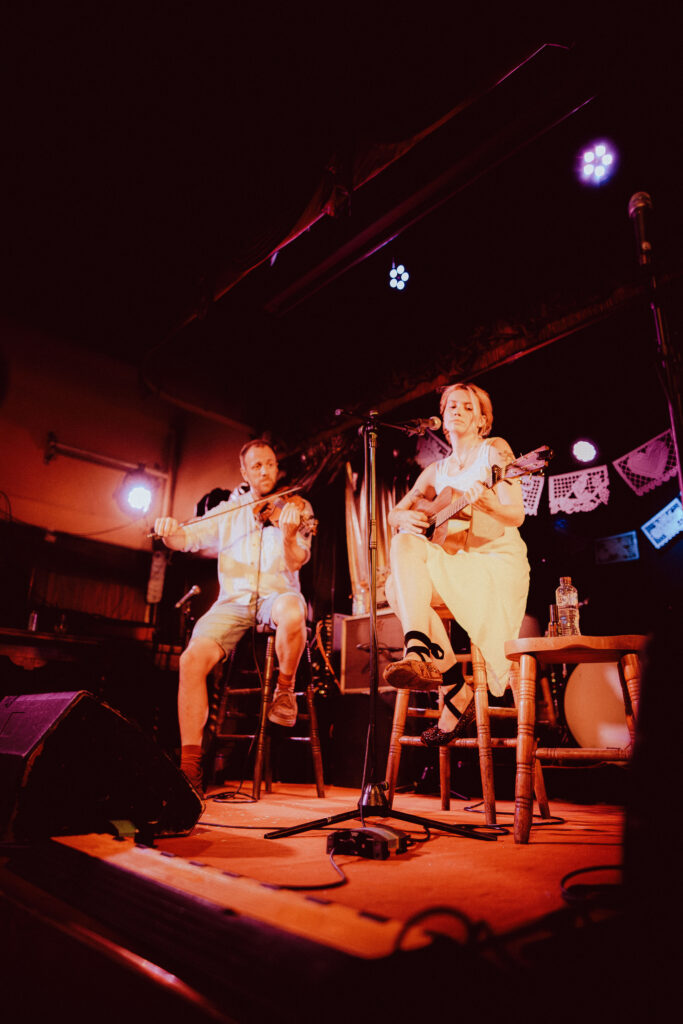
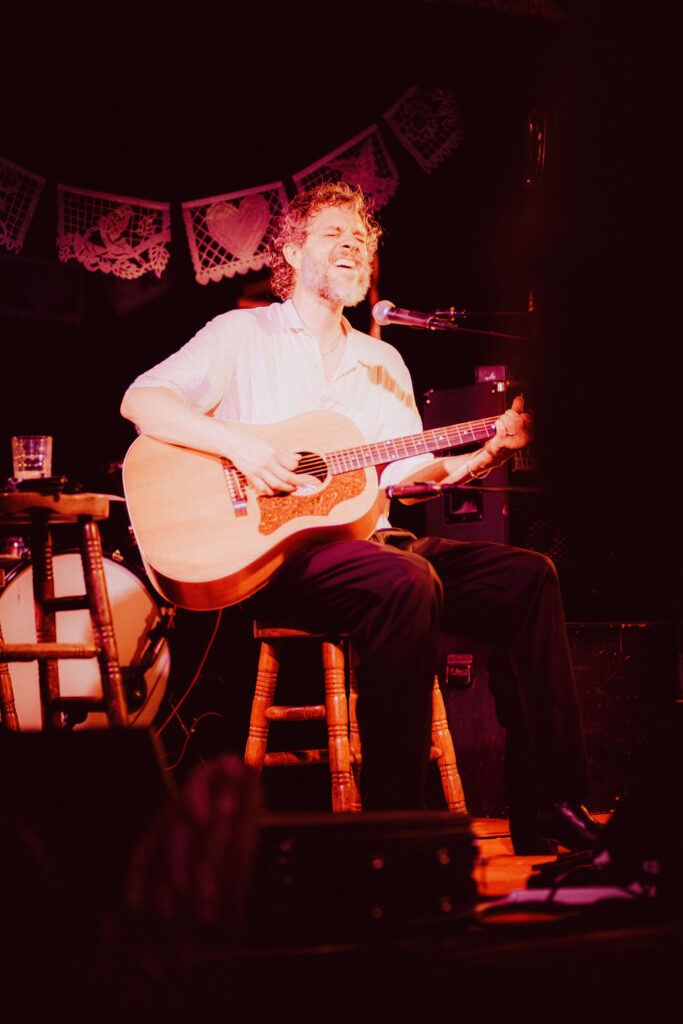
Broomfield then took to the stage herself, performing alongside violinist Joseph Paxton. During her set, she warmly noted that her father was in the audience singing her lyrics back to her, reflecting on how, in her late twenties, she has discovered a natural talent for bringing people together.
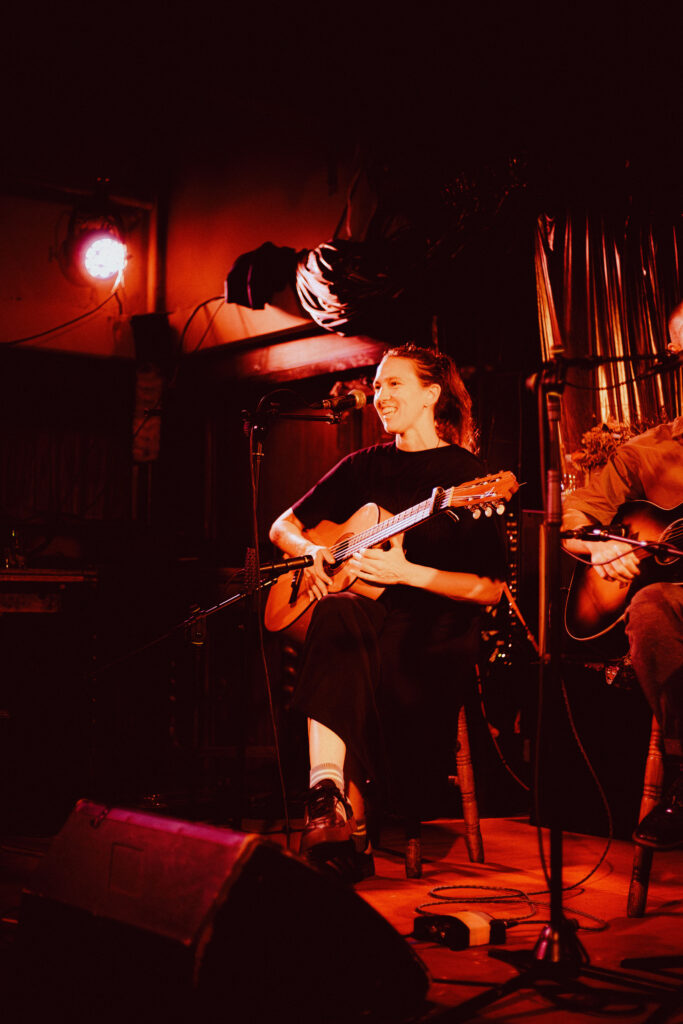
The energy shifted beautifully with The Midnight Ramblers, a three-piece band who kicked off their set with the country-folk classic “900 Miles.” Their tight harmonies were an undisputed highlight, punctuated by a hilarious anecdote from one member who had spent the previous night at Stonehenge for the solstice. He recalled touching the monoliths and believing he was feeling a throbbing, ancient power, only to realize he had simply forgotten about being stung by stinging nettles a few hours prior.
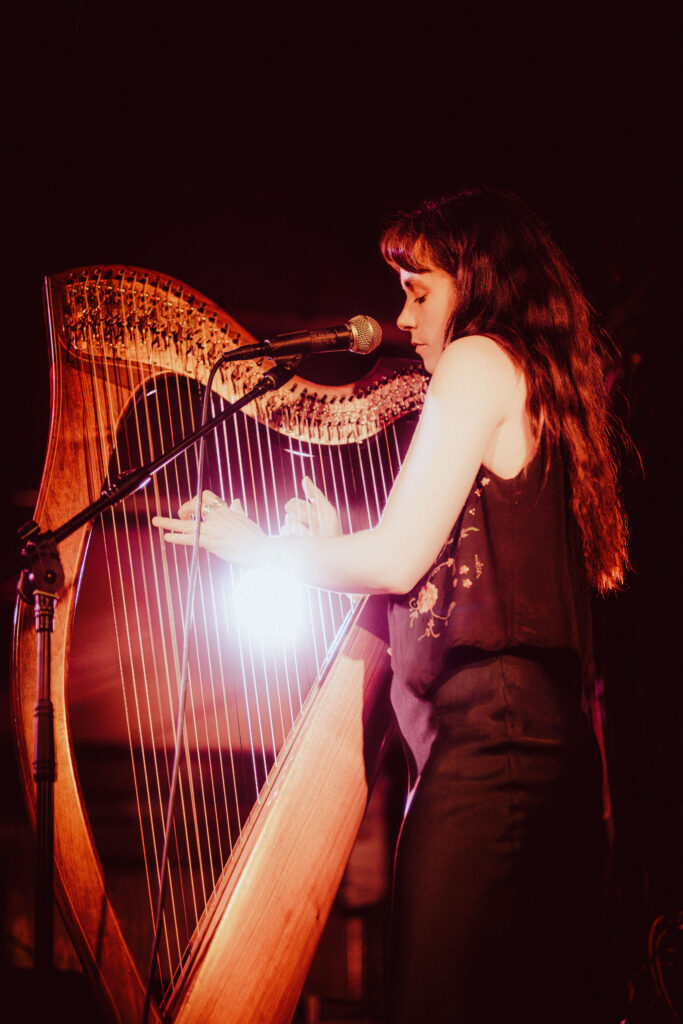
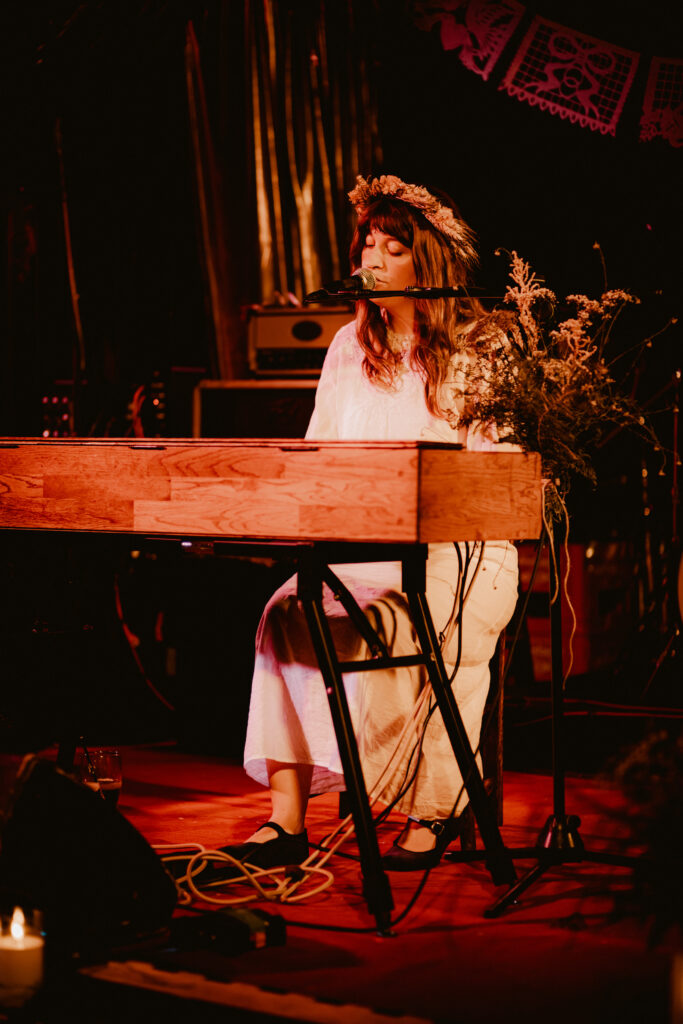
For me, the standout set of the night belonged to Anna McLuckie. Her harp playing conjured a hypnotic, mystical soundscape that left the room completely transfixed. McLuckie recently released her album Little Winters, inspired by the climate phenomenon of temporary, below-average cold snaps that strike in spring after the weather has already begun to warm. She explained that the phenomenon consists of six distinct phases—Redbud, Locust, Dogwood, Blackberry, Whippoorwill, and Cotton Britches Winter—before launching into a spellbinding performance of her track “Blackberry Lust.”
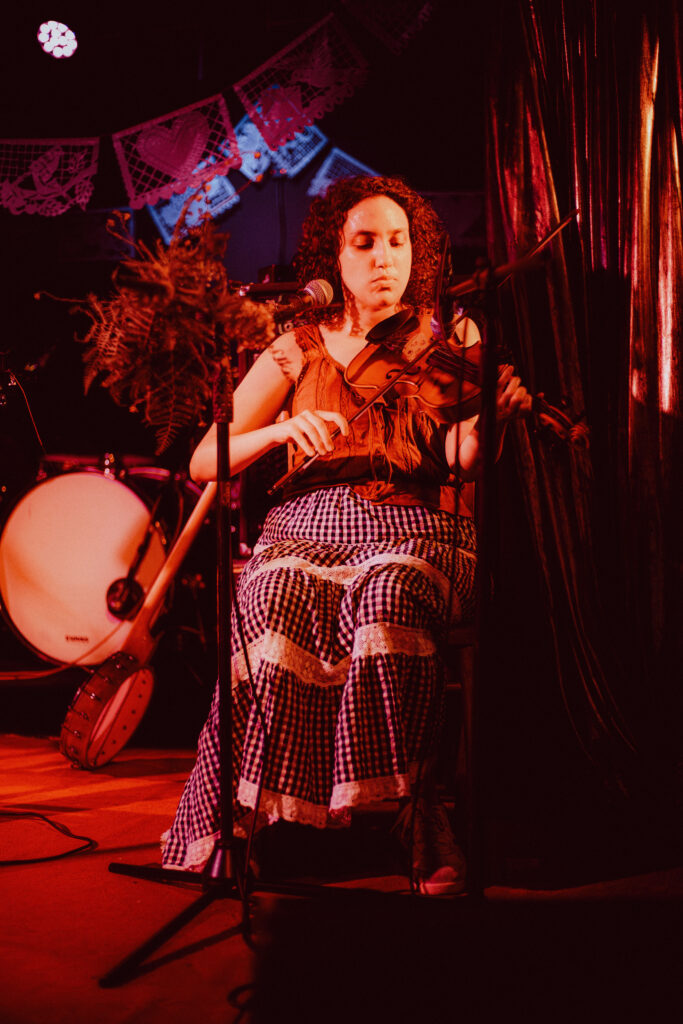
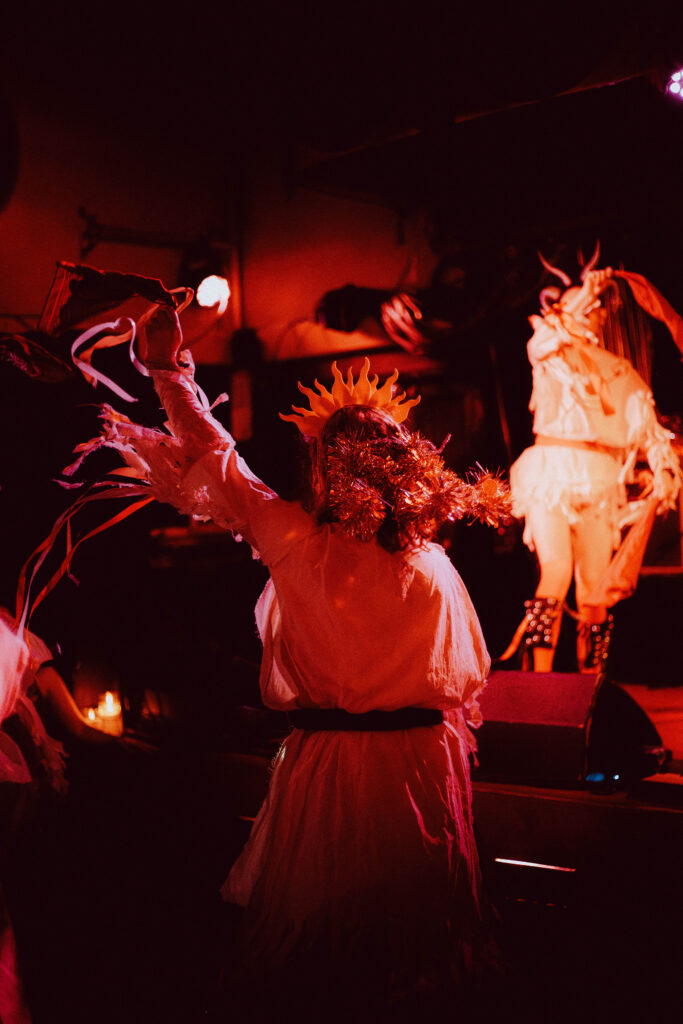
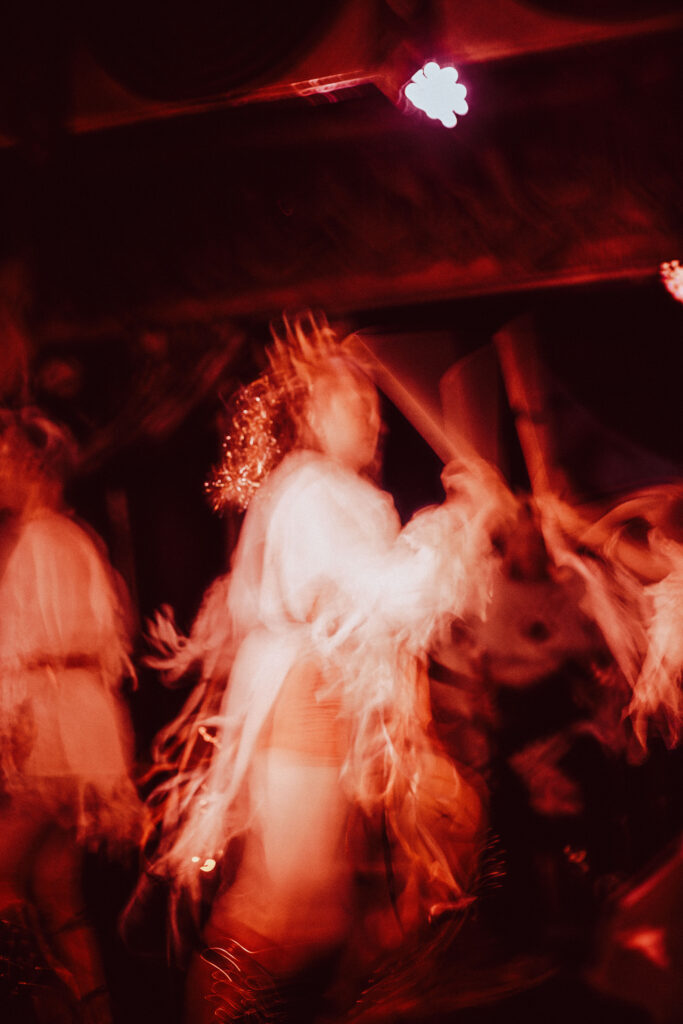
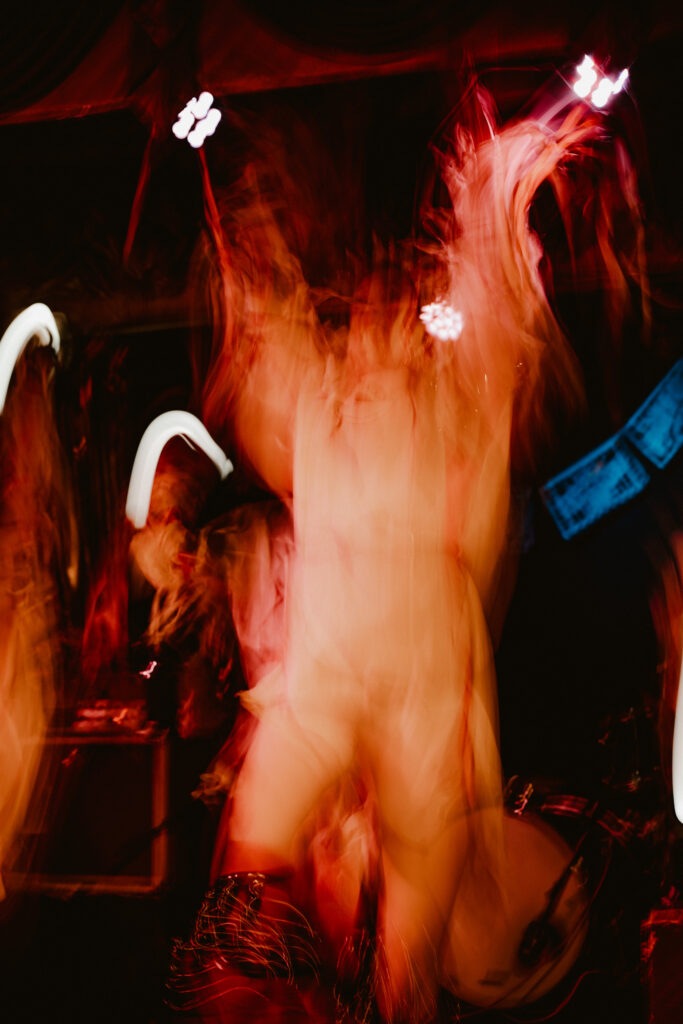
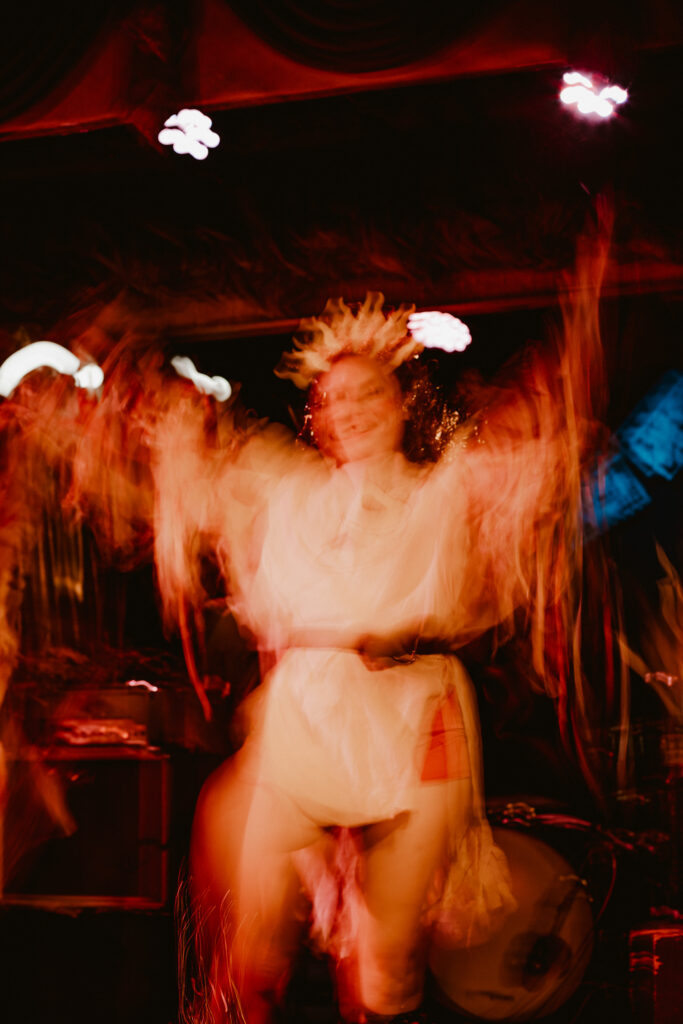
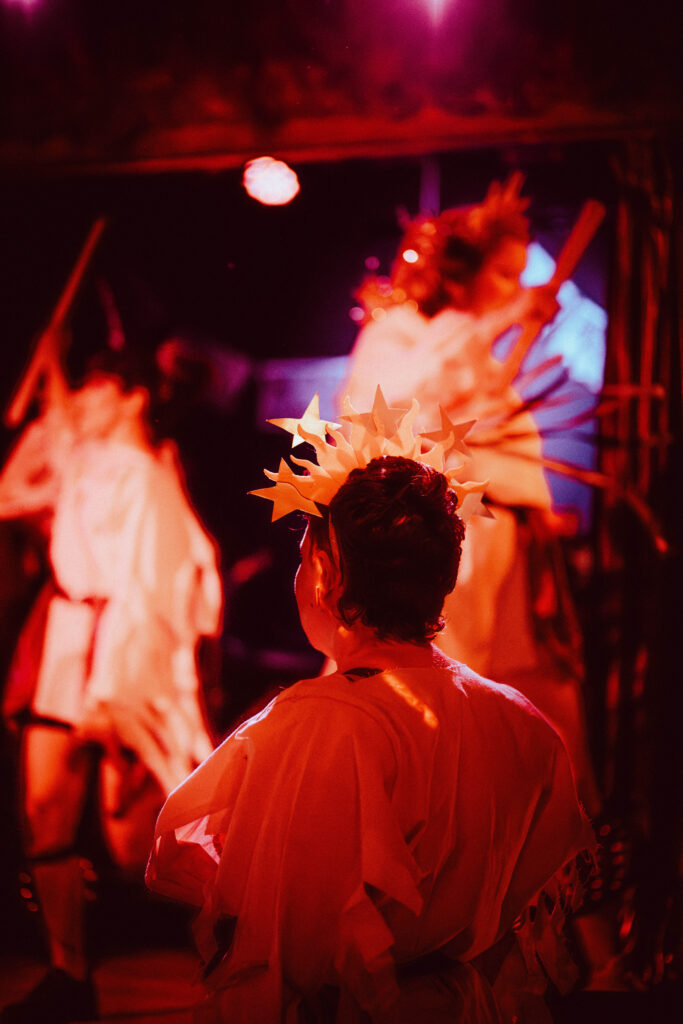
Injecting a dose of theatrical eccentricity into the evening, The Wyrd Sisters Morris dancing troupe later performed a routine that seemed to depict a seasonal battle between a goat, the moon, and the sun. It was wonderfully wacky, high-energy fun that perfectly embodied the lighter spirit of the solstice.
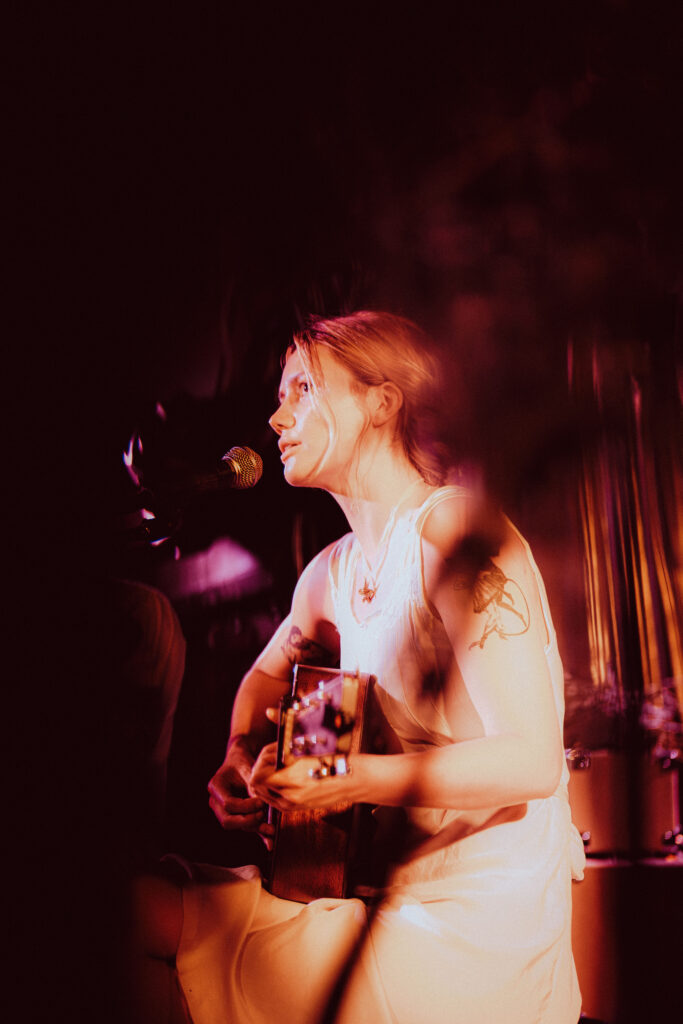
The night drew to a memorable close with final performer Josephine Illingworth. In a striking theatrical moment, she began her set from the back of the room, singing and playing her acoustic guitar as she wove her way through the crowd and onto the stage—a beautifully intimate conclusion to a stellar night.
Looking ahead, Broomfield’s sights are set on expanding the horizon, with plans to take the summer events entirely outdoors and a potential farm collaboration down in Bristol on the cards. The ultimate dream, she reveals, is a full-scale, independent festival, though the road for an uncompromised grassroots operation is notoriously steep.
“A festival requires an immense amount of upfront capital, and we are still very small and independent,” she admits. “It’s just incredibly difficult because unless you are a massive corporate promoter, there are virtually no spaces in London where you’re permitted to do that outside of a public park. And because it’s a pure folk event, we aren’t exactly looking for huge corporate backing, either. Do you even want that corporate backing? I would love to be sponsored by a genuinely ethical, independent brand, but the deeper you dig into companies, the harder it is to find anyone truly ethical. Doing it entirely by yourself is just so much more rewarding. The only catch is that if you don’t sell out, you’re personally in debt. You just have to back yourself and believe the crowd will show up.”
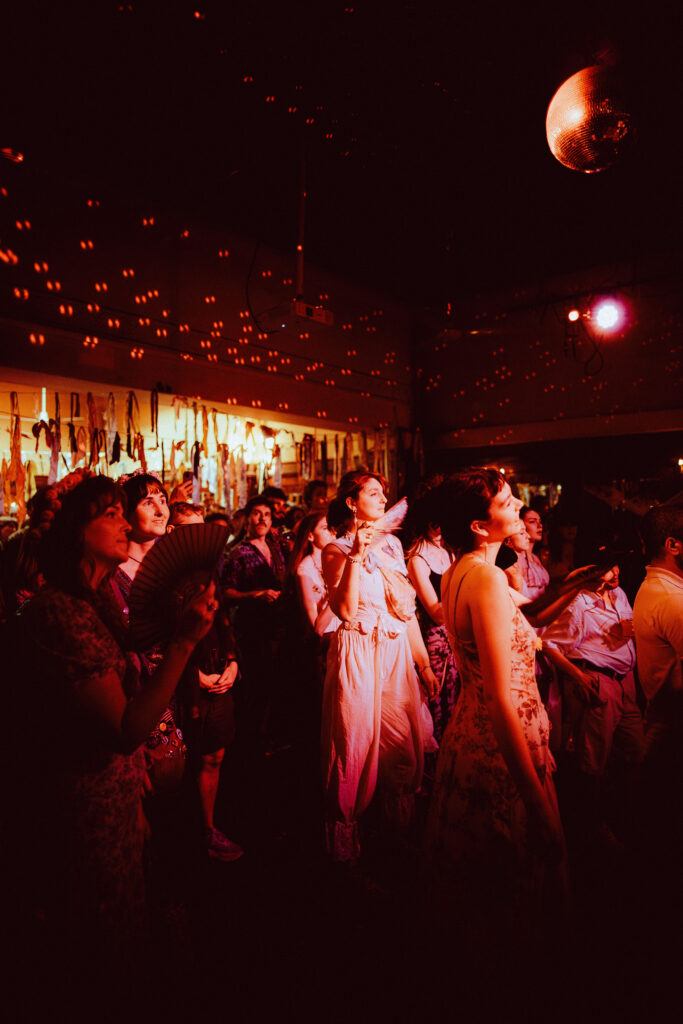
The crowd undeniably showed up that evening, filling London’s first co-operatively, community-owned pub to its absolute capacity. For Broomfield, the marriage between the series and the venue is symbiotic. “I just absolutely adore this pub because they are so supportive of the local folk scene. My favorite event we have ever thrown was right here in this room. The aesthetics of the space are perfect—the old wood, the historic stage. It just completely fits the spirit of what we are trying to build.”