






 The Great Divide Review
Words by Ella Barrett
Noah Kahan’s highly anticipated new single The Great Divide brings an intricate story of trauma-bonded friendship and its implications. Expressed through his vivid lyricism, Kahan paints a picture of the pain that can ensue from a relationship based solely on shared experiences. Symbolised through matching wounds — “cigarette burns on the same side of our hands” — he depicts the comfort and camaraderie people find in discovering like-minded souls who can empathise with one another on a deeper level.
The track maintains his lived-in folk sound as it subtly builds alongside his raw vocals, which do not shy away from their fragile yet controlled intonation, leaning into a rockier undertone. He creates a striking juxtaposition between his soft delivery and the gut-wrenching statement, “I’m high enough to still care if I die.” This contrast amplifies the way he explores the unglamorised side of mental health and how it can manifest in neglecting one’s own safety. The narrative sustains a tangible melancholy, nodding to copious ballads playing in the background and the difficulty of keeping “it all inside.” He wishes for his companion to fear the things perceived as normal, rather than the depths of their own soul.
Kahan once again demonstrates his renowned use of vivid imagery and imaginative metaphors, striking the listener with an overwhelming sense of sombreness. However, a contrasting element of optimism seeps through the song, as the speaker wishes for this person to find happiness and security — someone who “isn’t scared to ask” about their troubles. Despite the regret of not being “brave enough to call,” he still thinks of them frequently and hopes they find peace. The gradual progression of the instrumentation emphasises this emotional arc before the song is brought to a satisfying, almost acappella close, portraying a sense of calm — likely mirroring the feelings he wishes for the other person as they move forward in life.
Ultimately, The Great Divide stands as a poignant exploration of shared suffering and reluctant growth, reaffirming Kahan’s ability to transform deeply personal turmoil into something quietly universal.
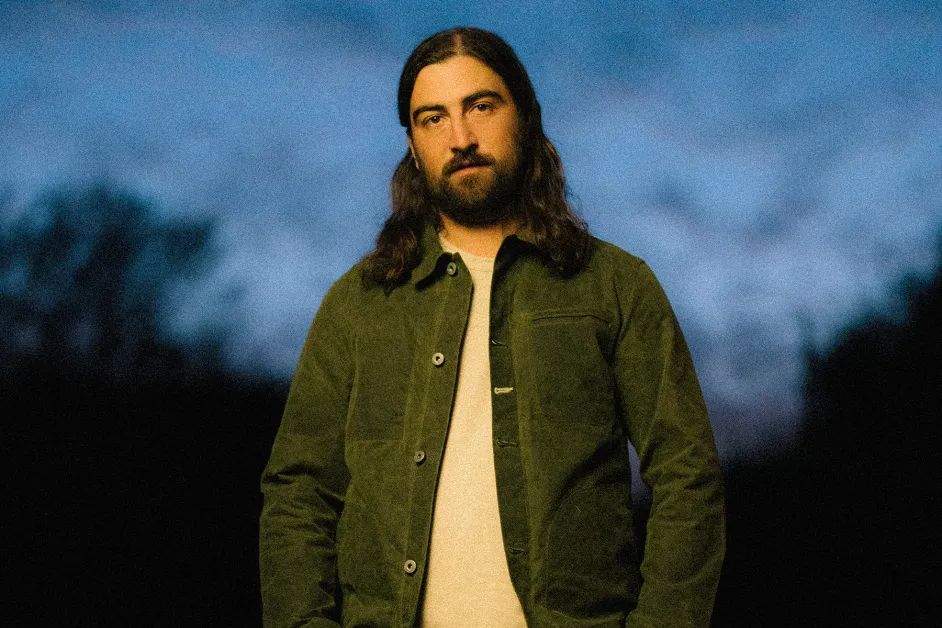
Photo by Patrick McCormack